
Aerospace Engineering Staffing
Most staffing firms treat aerospace like any other engineering vertical. It isn’t. Clearance requirements, ITAR restrictions, program-driven timelines, and AS9100 compliance make aerospace hiring fundamentally different. KORE1 places aerospace engineers across structures, propulsion, avionics, systems integration, and test from our home base in Southern California’s aerospace corridor.
What Is Aerospace Engineering Staffing?
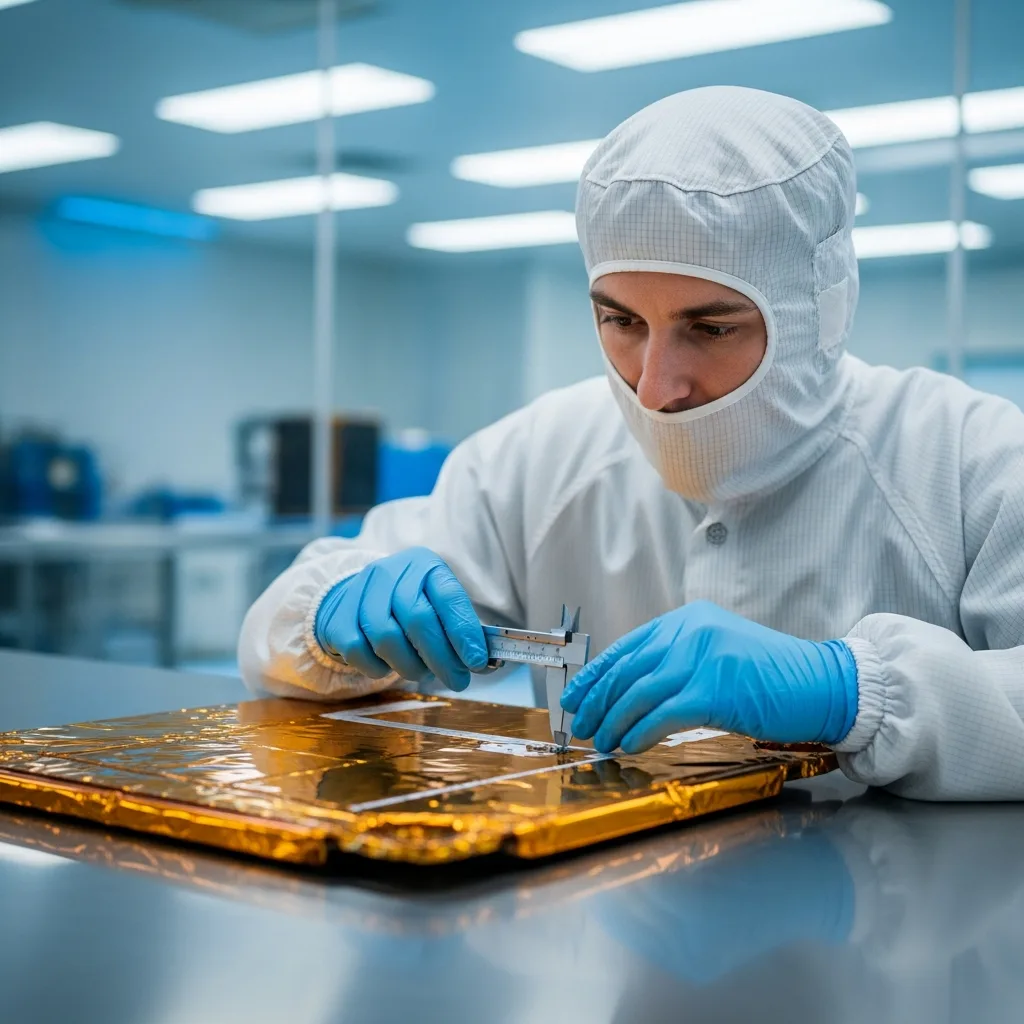
Aerospace engineering staffing is the process of sourcing and placing engineers who design, build, test, and certify aircraft, spacecraft, satellites, missiles, and defense systems. These roles span structural analysis, propulsion, avionics, flight software, systems integration, and manufacturing engineering.
What makes it different from general engineering recruiting? Pretty much everything. The regulatory layer alone disqualifies most staffing firms.
- ITAR, EAR, and security clearance verification (Secret, Top Secret, TS/SCI)
- AS9100, DO-178C, DO-254, and MIL-STD compliance familiarity
- Understanding the difference between commercial aviation, defense, and space launch
- Program-driven hiring cadences tied to contract wins and milestone reviews
A staffing partner that doesn’t understand CDR vs. PDR or can’t verify ITAR eligibility before submitting a candidate is going to waste your time. And in aerospace, wasted time means missed milestones.

Aerospace Engineering Disciplines We Staff
KORE1 recruits across the full spectrum of aerospace engineering disciplines, from conceptual design through production and sustainment.
Core aerospace disciplines
- Structural & Stress Analysis Engineering
- Propulsion & Thermal Systems Engineering
- Avionics & Flight Control Systems
- Systems Engineering & Integration
- Flight Test & Certification Engineering
- Aerodynamics & Fluid Dynamics
- Manufacturing & Process Engineering (composites, additive)
- Quality & Reliability Engineering (AS9100, FMEA)
- Mechanical Engineering (aerospace applications)
Adjacent technical roles
- Embedded & Flight Software Engineering (DO-178C)
- RF, Radar, & Payload Engineering
- GNC (Guidance, Navigation & Control)
- Model-Based Systems Engineering (MBSE / SysML)
For broader engineering needs beyond aerospace, see our engineering staffing agency practice. For chip design or semiconductor fabrication roles, visit our semiconductor staffing page.

Aerospace Engineering Coverage Snapshot
| Discipline | Contract | Contract-to-Hire | Direct Hire |
|---|---|---|---|
| Structures & Stress | ✔ | ✔ | ✔ |
| Propulsion & Thermal | ✔ | ✔ | ✔ |
| Avionics & Flight Controls | ✔ | ✔ | ✔ |
| Systems Engineering & Integration | ✔ | ✔ | ✔ |
| Flight Test & Certification | ✔ | ✔ | ✔ |
| Manufacturing & Composites | ✔ | ✔ | ✔ |
| Embedded / Flight Software | ✔ | ✔ | ✔ |
| GNC & RF / Payload | ✔ | ✔ | ✔ |
Why Aerospace Staffing Needs a Specialized Partner
General staffing firms stumble on the same things every time. Clearances, export controls, and program lifecycle awareness aren’t optional in this space.
Aerospace programs can’t absorb a bad hire the way a SaaS company can. Clearance timelines, export restrictions, and milestone-driven schedules mean every placement has to be right the first time.

Southern California’s Aerospace Corridor. Our Home Turf.
KORE1 is headquartered in Southern California, the densest concentration of aerospace and defense employers in the country. Our recruiters have working relationships across the companies that define this corridor.
- Northrop Grumman — B-21, GBSD, space systems
- Boeing — defense, satellites, commercial aviation programs
- SpaceX — Falcon, Starship, Starlink manufacturing
- Anduril — autonomous systems, counter-UAS, defense AI
- Raytheon (RTX) — missiles, sensors, electronic warfare
- L3Harris — ISR, space payloads, communication systems
That proximity means faster candidate engagement, deeper market intelligence, and access to cleared engineers who aren’t actively applying to job boards.
We recruit where aerospace engineers already work.
Aerospace Engineering Staffing Models
Aerospace programs have different hiring needs depending on contract phase, production ramp, and clearance requirements. We support all three models.
| Model | Best For | Key Advantage |
|---|---|---|
| Contract | Program surges, CDR/PDR prep, test campaigns | Speed and cleared talent on demand |
| Contract-to-Hire | Clearance-pending roles, culture validation | Reduced risk on long-term commitments |
| Direct Hire | IPT leads, chief engineers, program-critical roles | Retention and institutional knowledge |

How Our Aerospace Staffing Process Works
Built for the realities of aerospace hiring. Clearances, export controls, and program timelines are baked into every step.
Program & Clearance Alignment
We identify the discipline, clearance level, export control requirements, and program milestones driving the hire.
Targeted Aerospace Sourcing
Candidates come from our cleared aerospace network. Not scraped from job boards or keyword-matched from unrelated industries.
Technical & Compliance Screening
We verify clearance status, ITAR eligibility, domain expertise, and hands-on experience with tools like CATIA, NX, ANSYS, MATLAB, and DOORS.
Placement & Program Support
We stay engaged through onboarding and program integration to make sure the placement sticks.
Aerospace placements fail when recruiters don’t understand the difference between a stress analyst and a structural designer. We do.
When Companies Use Aerospace Engineering Staffing
Aerospace and defense companies typically engage a staffing partner when internal recruiting can’t keep up with program demands.
- A new contract win requires rapid engineering ramp-up
- Clearance-holding engineers are needed faster than the FSO pipeline allows
- Production is scaling and manufacturing engineers are bottlenecked
- Specialized disciplines like GNC, propulsion, or flight test can’t be sourced internally
- Retirement attrition is outpacing knowledge transfer
- ITAR restrictions narrow the eligible candidate pool to a fraction of the market
If any of that sounds familiar, you already know the cost of an empty seat on a program with a fixed delivery date.


Why Aerospace Employers Choose KORE1
- Clearance-first recruiting — we pre-screen for active clearances and ITAR eligibility before technical evaluation
- Aerospace domain fluency — our recruiters know DO-178C from DO-254 and why a propulsion engineer isn’t interchangeable with a thermal analyst
- SoCal aerospace corridor access — deep networks across Northrop, Boeing, SpaceX, Anduril, Raytheon, and L3Harris talent pools
- Flexible hiring models matched to program phase
- 92% 12-month retention because we match engineers to programs, not just job descriptions
We prioritize mission-critical fit, not resume volume.
Request Aerospace Talent →Ready to Staff Your Aerospace Program?
Whether you need one cleared systems engineer or a full IPT for a new program win, KORE1 delivers aerospace talent aligned to your clearance requirements, timeline, and technical environment. We serve aerospace employers across Orange County, Los Angeles, San Diego, Phoenix, Denver, and nationwide.
Request Aerospace TalentCommon Questions About Aerospace Engineering Staffing
What kinds of aerospace engineers can a staffing agency actually place?
More than most people expect. Structural engineers, stress analysts, propulsion engineers, avionics specialists, systems engineers, flight test engineers, manufacturing engineers, GNC specialists, embedded flight software engineers. The real question is whether the agency has the domain knowledge to vet them properly. KORE1 covers all of these disciplines.
Can you provide engineers with active security clearances?
Yes. We maintain a pipeline of engineers with active Secret, Top Secret, and TS/SCI clearances. We verify clearance status and ITAR/EAR eligibility before presenting any candidate, which eliminates the delays that come from clearance processing surprises after an offer goes out.
How is this different from regular engineering staffing?
The short answer is regulatory complexity. Aerospace staffing requires clearance verification, export control compliance, and familiarity with program-driven environments like CDR/PDR cycles, MIL-STD, and AS9100. General engineering staffing covers broader disciplines but often lacks the security and regulatory expertise that aerospace programs demand.
How fast can KORE1 place an aerospace engineer?
Our average across all engineering placements is 17 days, with first candidates typically presented within 3 to 5 business days. Aerospace roles with active TS/SCI requirements can take longer because the cleared talent pool is smaller, but our SoCal aerospace network reduces search time significantly compared to firms sourcing from scratch.
Contract, direct hire, or contract-to-hire for aerospace roles?
Depends on the program phase. Contract works well for surges, test campaigns, and CDR/PDR support. Direct hire makes sense for IPT leads, chief engineers, and roles where institutional knowledge matters. Contract-to-hire fills the gap when clearance transfers are in process or when you want to validate fit before making a permanent commitment.
Do you place aerospace engineers outside Southern California?
Absolutely. While our deepest networks are in the SoCal corridor, we place aerospace engineers nationwide. The aerospace talent market is concentrated but mobile, and many of the engineers in our network have worked across multiple programs and geographies throughout their careers.
Hire Aerospace Engineers Who Deliver
Stop sorting through unqualified candidates from generalist agencies. KORE1’s aerospace-first recruiting process delivers engineers who are cleared, qualified, and ready to contribute to your program from day one.