
Last updated: August 6, 2026
Chemical Engineering Staffing
Specialized chemical engineering recruitment for pharmaceutical manufacturing, petrochemical refining, oil & gas, food & beverage processing, and specialty chemicals. Contract, contract-to-hire, and direct hire nationwide.

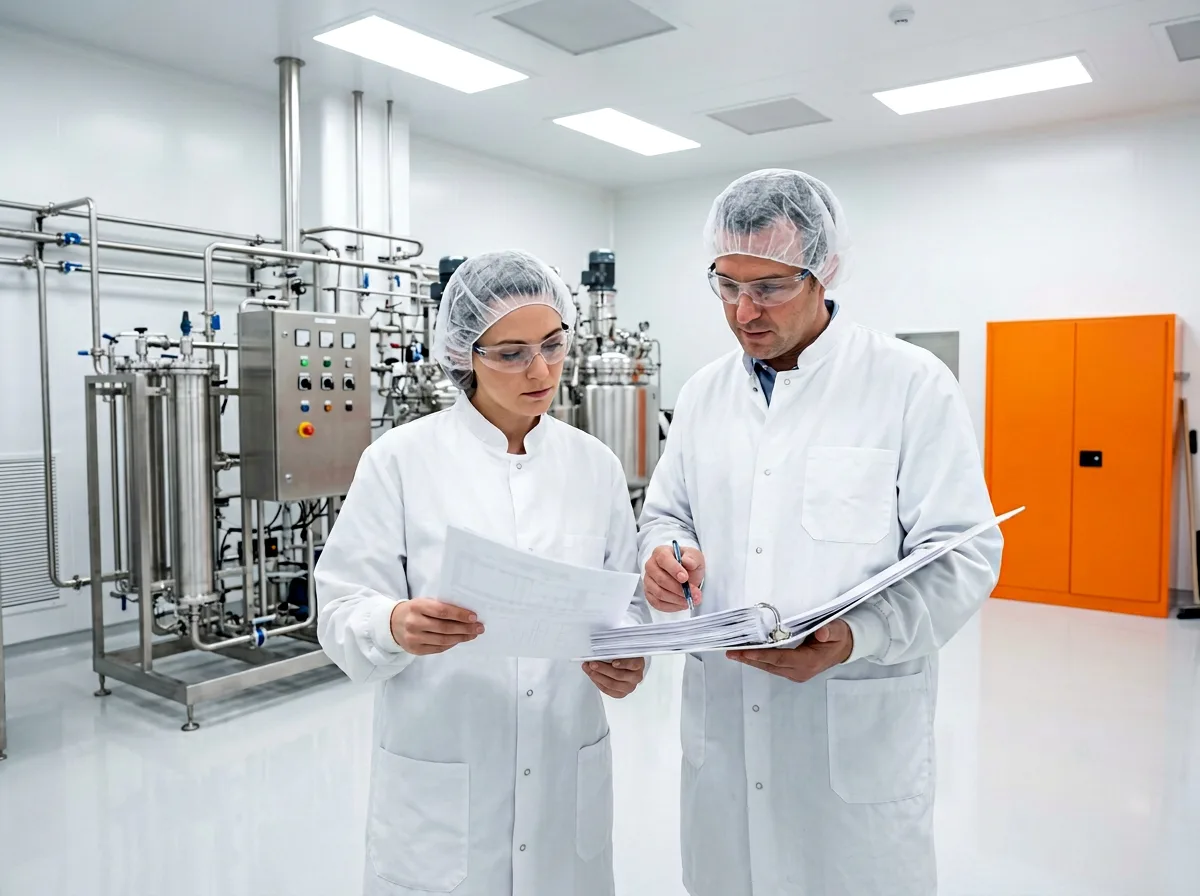
KORE1 places chemical engineers across pharma, petrochemical, oil & gas, food & beverage, and specialty chemicals within an average of 17 days, through contract, contract-to-hire, and direct hire engagements nationwide.
Chemical Engineering Talent That Knows Process Environments.
Hiring chemical engineers is harder than it looks on paper. The credential is the same. The experience isn’t interchangeable. A process engineer who spent eight years in pharmaceutical cGMP manufacturing will need months to adjust to refinery turnaround culture. Someone who built their career in specialty coatings may have never written a Process Hazard Analysis or managed a LOPA study. The title covers an enormous range of actual working knowledge. When the seat only runs for one refinery turnaround on the Ship Channel, it usually goes through short-term process engineering coverage in Houston.
KORE1 provides chemical engineering staffing that screens for environment fit, not just job title alignment. We look at where candidates have actually spent their time, what regulatory frameworks they’ve worked under, and how their documentation habits match the environment you run. Our engineering recruiting team carries an average of 15+ years of placement experience and maintains an active pipeline of passive chemical engineers who aren’t responding to job boards. The chemists and QC analysts working beside those engineers are a separate search, run by our chemical recruiters.
Process industries, by their nature, don’t offer much margin for hiring mistakes. We’ve structured our search process to reduce that risk from the first candidate we present.
Where We Place Chemical Engineers
Chemical engineering roles vary significantly by production environment, regulatory framework, and process type. KORE1 recruits across four primary process industry verticals.
Pharmaceutical & Biopharma
GMP process engineers, tech transfer specialists, validation engineers, and process development scientists for drug substance and drug product manufacturing under 21 CFR 210/211 and ICH Q10.
Petrochemical & Refining
Process engineers, refinery engineers, and PSM program leads for crude oil processing, petrochemical production, and downstream operations across Gulf Coast and Midwest refining corridors.
Food & Beverage Processing
Process and manufacturing engineers for continuous and batch food processing operations, with FSMA compliance awareness and sanitary process design experience required by most clients.
Specialty Chemicals & Polymers
Chemical engineers for adhesives, coatings, plastics, elastomers, and advanced materials manufacturing. Scale-up, process optimization, and quality engineering roles across Midwest and Northeast facilities.
Chemical Engineering Roles We Fill
Chemical engineering titles vary by industry and company size. Across pharma, petrochemical, food processing, and specialty chemicals, we recruit for the following role types:
- Process Engineer
- Senior Process Engineer
- Chemical Process Engineer
- Plant Engineer
- Process Safety Engineer (PSM / LOPA)
- Validation Engineer (IQ/OQ/PQ)
- Manufacturing Engineer
- Process Development Engineer
- Scale-Up Engineer
- Quality Engineer (GMP / FSMA)
- Chemical Project Engineer
- Environmental, Health & Safety Engineer
- Controls & Automation Engineer (DCS / PLC)
- Tech Transfer Engineer
- Utilities & Facilities Engineer
Senior and staff-level searches, including Principal Process Engineer and Process Engineering Manager, are among our most common direct hire placements.
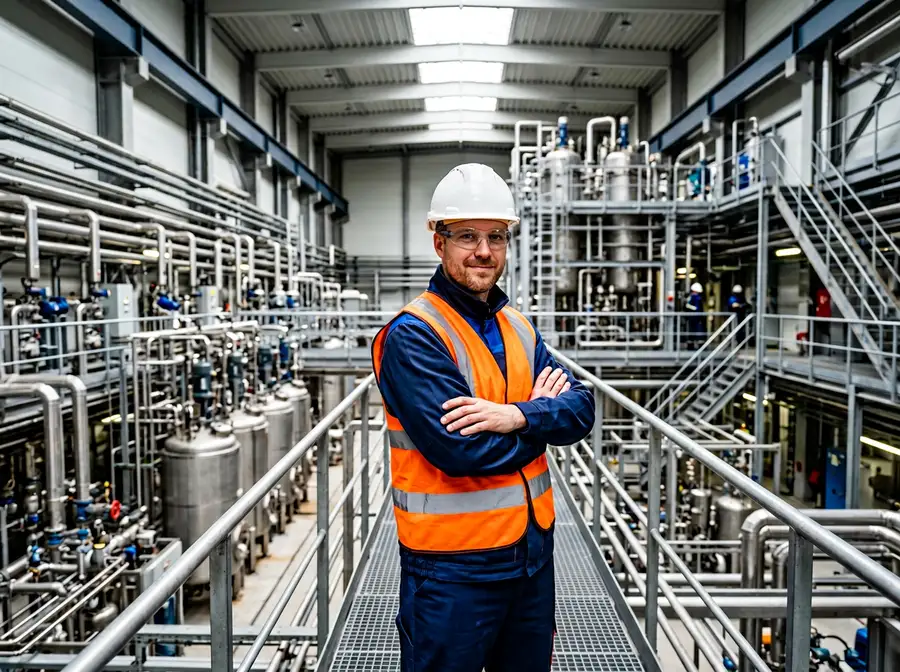
How We Vet Chemical Engineering Candidates
Generic recruiting screens for job title and years of experience. That’s how wrong-environment placements happen. A chemical engineer who passed every technical screen can still be a bad fit if they’ve never worked under a specific regulatory framework or production culture.
Our vetting process for chemical engineers goes deeper:
- Industry environment matching. We document which specific environments each candidate has worked in, not just which companies. FDA-regulated vs. EPA-regulated vs. non-regulated environments produce very different working habits.
- Regulatory framework depth. For pharma placements, we ask candidates to walk through a real deviation investigation or change control package they’ve authored. Those who have done it can describe it precisely. Those who’ve picked up the language secondhand can’t. We place chemists and QC analysts for pharma plants the same way.
- PSM and process safety screening. For petrochemical, refining, and HHC operations, we screen for actual PSM program ownership, LOPA study participation, and PHA facilitation experience, not just checkbox familiarity.
- Documentation culture fit. Production environments that run under strict document control are unforgiving of candidates who’ve worked in fast-moving R&D settings where informal practices were acceptable. We ask for specifics.
- Passive candidate pipeline. The best chemical engineers at the senior and staff level aren’t actively job searching. Our team maintains relationships with engineers across the Gulf Coast, NJ/PA pharma corridor, Midwest, and Bay Area biotech markets who aren’t visible on job boards.
According to the U.S. Bureau of Labor Statistics Occupational Outlook Handbook, chemical engineers held about 29,100 jobs in 2022, with employment projected to grow 8% through 2032. In process industries specifically, that number overstates the available pool, because not every chemical engineer has the environment-specific experience that plant operations require.
KORE1 Engineering Staffing Performance
Sources & References
- AIChE: American Institute of Chemical Engineers, Professional credentialing and process-engineering resources.
Common Questions
How long does it take to fill a chemical engineering position?
KORE1’s average time-to-hire for chemical engineering roles is 17 days, with first candidates typically presented within 3–5 business days. That figure covers standard process engineering, manufacturing engineering, and quality engineering searches. PSM-certified process safety engineers and senior DCS controls specialists in refining environments run longer, usually 3–5 weeks, because the qualified pool is genuinely small and most of them are not actively looking.
Which process industries are the hardest to hire chemical engineers for right now?
Pharmaceutical and biopharma manufacturing are tightest at the moment. GMP process engineers with real validation ownership experience, particularly those who’ve managed IQ/OQ/PQ protocols on commercial manufacturing lines, are in short supply in most markets. The NJ/PA pharma corridor is especially competitive. Petrochemical and specialty chemicals hiring is active too, but the Gulf Coast passive candidate pipeline runs deeper, which makes initial outreach faster even on senior searches.
What’s the difference between a chemical engineer and a process engineer?
In most industrial hiring contexts, the titles overlap. Formally, chemical engineers hold degrees in chemical engineering and apply thermodynamics, mass transfer, reaction kinetics, and fluid mechanics to industrial production. Process engineer is usually the job function, covering the design, operation, and optimization of those processes day to day. Most job postings use both interchangeably. The distinction matters more in pharmaceuticals, where some process engineers come from chemistry or biochemistry backgrounds rather than engineering degrees, and the functional depth varies accordingly. For cross-industry searches that span discrete manufacturing, semiconductor, and batch pharma, see our discipline-level process engineering staffing page.
Can KORE1 find chemical engineers with PSM program experience?
Yes, and we screen for actual program ownership, not just general awareness. OSHA Process Safety Management (29 CFR 1910.119) experience is a specific criteria we apply to searches in refineries, petrochemical plants, and HHC operations. We ask candidates directly about PHA facilitation, LOPA study participation, mechanical integrity program management, and MOC process ownership. Those who’ve run PSM programs describe the details specifically. Those who’ve only been adjacent to one don’t.
Do you place chemical engineers on contract or only direct hire?
Both, and contract-to-hire. A meaningful share of our senior chemical engineer placements are direct hire, because engineers at the staff and principal level are often not interested in contract arrangements and companies can’t afford to lose them to a competitor mid-project. Contract placements are common for validation surge work, plant turnaround support, and project-based process engineering. Contract-to-hire works well for clients who want a working interview period before making a permanent commitment.
What geographic markets do you cover for chemical engineering placements?
KORE1 places chemical engineers nationwide with particularly strong candidate pipelines in the Gulf Coast corridor (Houston, Baton Rouge, Beaumont, Lake Charles) for petrochemical and refining, the New Jersey and Pennsylvania pharma corridor, the San Francisco Bay Area and San Diego for biotech and biopharma, and the Midwest including Chicago, Cincinnati, and Cleveland for specialty chemicals and food processing. We work remote-eligible searches nationally and have filled process engineering roles in markets as varied as West Texas, the Pacific Northwest, and the Southeast.
What is the difference between a chemical engineer and a process engineer?
In most industrial hiring contexts, the titles overlap. Chemical engineers hold degrees in chemical engineering and apply thermodynamics, mass transfer, and reaction kinetics to industrial production. Process engineer is typically the job function covering design, operation, and optimization of those processes day to day.
Other Engineering Staffing Practices
Chemical engineering often intersects with other engineering disciplines depending on the production environment. KORE1 recruits across the full engineering spectrum through our engineering staffing agency practice.
Biomedical Engineering
Medical device, pharmaceutical bioprocess, diagnostics, and clinical systems engineering for FDA-regulated environments.
Process Engineering
Discipline-level recruiting for process engineers across discrete manufacturing, batch pharma, semiconductor, and continuous chemical environments.
Mechanical Engineering
Mechanical engineers for process equipment design, thermal systems, manufacturing, and product development across industrial environments.
Ready to Hire Chemical Engineers?
Tell us the role, the environment, and the timeline. We’ll present qualified candidates within 3–5 business days.
Start Your Search →