
Data Center Staffing
for the Infrastructure Boom
Over $500 billion is flowing into data center construction right now. That means every hyperscaler, colo provider, and enterprise with on-prem ambitions is fighting for the same talent pool. We find the people who actually build and run these facilities.


What Is Data Center Staffing?
Data center staffing is the process of recruiting, vetting, and placing professionals who design, build, operate, and maintain physical computing infrastructure. That includes everything from facilities engineers and network technicians to data center managers and critical environment specialists.
And right now, the demand is staggering. Every major cloud provider is racing to break ground on new facilities. AI workloads are driving unprecedented power and cooling requirements. The people who know how to keep 99.999% uptime? They’re getting four or five offers before lunch.
KORE1 has been placing infrastructure and cloud talent for over 15 years through our IT staffing services practice. Data center roles are a natural extension of our deep bench in DevOps and cloud infrastructure staffing.
- 92% 12-month retention rate
- 14-day average time-to-hire for DC roles
- Dedicated technical screeners who know critical environments
The Biggest Infrastructure Buildout in History
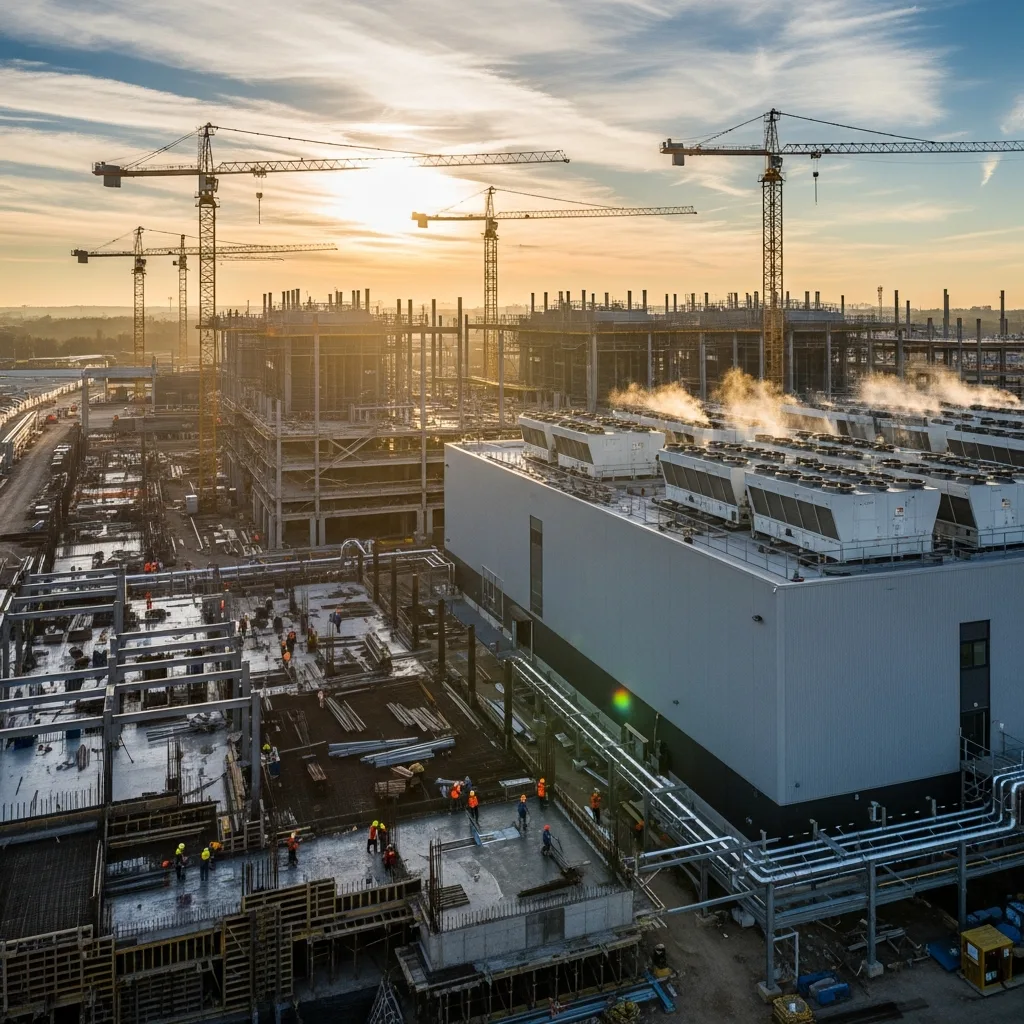
This isn’t hype. The numbers are real. Microsoft alone committed $80 billion to data center construction in fiscal year 2025. Amazon, Google, and Meta are matching or exceeding that pace. And it’s not just hyperscalers. Colocation providers, sovereign cloud initiatives, and enterprise on-prem expansions are all competing for the same limited talent pool.
The bottleneck isn’t capital. It’s people. Qualified data center technicians, facilities engineers, and critical environment specialists are in painfully short supply. Traditional staffing firms treat these roles like generic IT positions. They’re not. A data center technician who understands hot/cold aisle containment, DCIM platforms, and generator switchover procedures is a fundamentally different hire than a help desk engineer.
“Data center construction spending surpassed $300 billion globally in 2025, with projections to exceed $500 billion by 2027.”
Source: Synergy Research Group, 2025
Data Center Roles We Staff
From the raised floor to the C-suite, we’ve placed them all
- Data Center Technician (DCT I/II/III)
- Data Center Engineer
- Critical Facilities Engineer
- Data Center Operations Manager
- Network Operations Center (NOC) Technician
- Infrastructure Engineer
- Cabling / Low-Voltage Technician
- HVAC/Mechanical Engineer (Mission Critical)
- Electrical Engineer (Critical Power)
- Data Center Project Manager
- Commissioning Engineer
- Site Reliability Engineer (DC-focused)
Many of these roles didn’t exist five years ago at the volume they’re needed today. If you’re curious about what the infrastructure engineer career path looks like, we wrote a full breakdown. We stay ahead of the curve so you don’t have to.
Flexible Staffing Models for Data Center Projects
Whether you’re commissioning a new facility or keeping a 50MW campus running at five nines, we match the engagement to the need.
Contract
Scale up fast for new builds, migrations, or seasonal demand spikes. Get qualified hands on the raised floor within days.
Contract-to-Hire
Evaluate technicians and engineers on the job before converting to permanent. Especially useful for specialized roles.
Direct Hire
Build your permanent operations team with data center professionals who are in it for the long haul.
Project-Based
Full staffing for new facility commissioning, decommissions, large-scale hardware refreshes, or cloud migrations.
Technical Skills We Screen For
Generic recruiters don’t know what to ask a critical facilities engineer. We do. Every candidate we present has been vetted for the specific systems and certifications your environment requires.
Physical Infrastructure
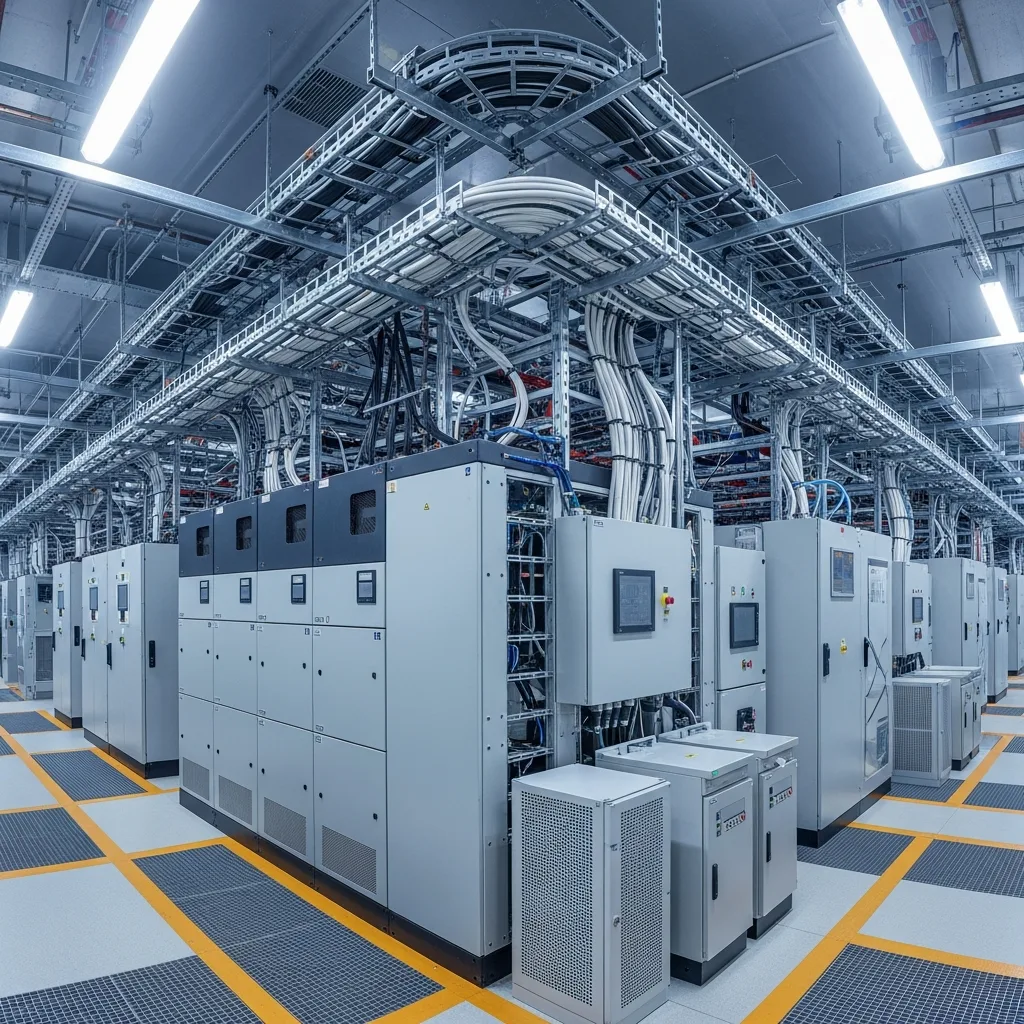
Raised floor systems, hot/cold aisle containment, cable management, rack-and-stack, structured cabling (Cat6A/fiber)
Power Systems
UPS systems, PDUs, generator switchover, ATS, busway, electrical distribution, load balancing
Cooling and Environmental
CRAC/CRAH units, liquid cooling, immersion cooling, environmental monitoring, PUE optimization
Network and Connectivity
Top-of-rack switching, cross-connects, fiber optic termination, BGP, DNS, load balancers
Monitoring and DCIM
Nlyte, Sunbird, Schneider EcoStruxure, Vertiv Trellis, custom DCIM, BMS integration
Compliance and Safety
SOC 2, HIPAA physical controls, TIA-942 standards, OSHA, NFPA 70E, arc flash awareness. For organizations with stricter security postures, our cybersecurity staffing team works alongside DC recruiters to vet candidates for classified or sensitive environments.
Why Most Staffing Agencies Get Data Center Hiring Wrong
Here’s the problem we see constantly. A company needs a data center technician. They call a generalist staffing firm. The firm sends over someone who “has IT experience.” That person shows up and doesn’t know the difference between a PDU and a UPS. Doesn’t understand why you can’t just unplug a server during business hours. Has never seen an EPO button.
Data center work is physical, technical, and high-stakes. A single mistake in a production environment can cause millions in downtime. You need a recruiting partner that understands the difference between Tier II and Tier IV facilities. Between a cabling tech and a commissioning engineer. Between someone who’s worked in a 5MW facility versus a 50MW campus.
That’s us. Our recruiters have been placing cloud engineers and infrastructure talent for years. Data center roles are in our DNA.

Our Data Center Staffing Process
A straightforward approach. No runaround, no wasted time.
Scope Your Environment
We learn your facility type, tier level, power capacity, and the specific technical requirements for each role. Hyperscaler campus? Edge deployment? Colo? The context matters for sourcing.
Deliver Vetted Candidates
Within 3 to 5 business days, you’ll receive a shortlist of pre-screened data center professionals matched to your technical stack and environment.
Support Through Onboarding
Placement isn’t the finish line. We check in through the first 90 days to make sure the hire is ramping well and your team is satisfied.
2026 Data Center Salary Guide
Current market rates. These move fast in this environment, so reach out for the latest.
| Role | Entry-Level | Mid-Level | Senior |
|---|---|---|---|
| Data Center Technician | $55K – $75K | $75K – $100K | $95K – $125K |
| Data Center Engineer | $80K – $105K | $110K – $145K | $140K – $180K |
| Critical Facilities Engineer | $85K – $110K | $115K – $155K | $150K – $195K |
| DC Operations Manager | $90K – $115K | $120K – $160K | $155K – $200K |
| NOC Technician | $50K – $65K | $65K – $90K | $85K – $115K |
| Commissioning Engineer | $95K – $120K | $125K – $170K | $165K – $220K |
Salaries vary by location, facility tier, and certifications. BLS occupational data provides additional benchmarks. Contact us for customized market data.
Why Companies Choose KORE1 for Data Center Staffing
We Know Critical Environments
Our recruiters understand that data center hiring is different from standard IT. We screen for facility-specific knowledge, safety awareness, and the ability to work in high-uptime production environments.
Speed That Matches the Market
14-day average time-to-hire. When a hyperscaler breaks ground and needs 30 technicians in 60 days, we deliver.
Retention That Sticks
92% of our placements are still on the job at 12 months. Because we don’t just match resumes to job descriptions. We match people to environments.
Full Lifecycle Coverage
From commissioning a new build to operating a mature campus to decommissioning legacy infrastructure. We staff every phase. Need ongoing support? Our managed IT staffing model handles that too.
Market Intelligence
We share real-time salary benchmarks, regional demand data, and competitive insights. According to Uptime Institute’s annual survey, staffing shortages are the top concern for data center operators in 2026.
Flexible Models
Contract, contract-to-hire, direct placement, or project teams. Your facility, your terms.
Ready to Staff Your Data Center?
The infrastructure boom won’t wait. Whether you need one critical facilities engineer or an entire commissioning team, let’s talk.
Questions About Data Center Staffing
How is data center staffing different from regular IT recruiting?
Completely different animal. Data center roles require physical infrastructure knowledge that most IT professionals don’t have. We’re talking about people who understand electrical distribution, cooling systems, structured cabling, and compliance frameworks like TIA-942 and SOC 2 physical controls. A generalist IT recruiter won’t know what questions to ask, and that’s how you end up with a bad hire in a mission-critical environment.
What certifications matter most for data center professionals?
Depends heavily on the role. For technicians, CompTIA Server+ and CDCP (Certified Data Centre Professional) carry weight. Engineers often hold CDCS (Certified Data Centre Specialist) or vendor-specific certs from Schneider Electric or Vertiv. On the electrical and mechanical side, NFPA 70E training is basically non-negotiable. We screen for the certifications that actually matter for your specific environment, not just whoever has the longest cert list.
Can you staff for new data center construction projects?
That’s actually where a huge chunk of our data center placements land right now. New builds need commissioning engineers, project managers, cabling teams, and eventually the operations staff who’ll run the facility long-term. We can ramp a full team from commissioning through steady-state operations. The construction-to-operations handoff is where a lot of projects stumble on talent, and we help bridge that gap.
How fast can you fill data center positions?
First candidates typically land on your desk within 3 to 5 business days. Average time from kickoff to accepted offer is 14 days. For large-scale ramp-ups (think 20+ technicians for a new facility), we’ve done phased deployments over 4 to 8 weeks. Speed matters in this market because the talent pool is finite and every hyperscaler is hiring simultaneously.
What’s driving the data center talent shortage?
Three things hitting at once. First, the AI compute boom is accelerating new facility construction at a pace nobody predicted even two years ago. Second, a wave of experienced data center operators is retiring, and the knowledge transfer hasn’t kept up. Third, these roles require a blend of IT and facilities skills that traditional education programs don’t really teach. The result is a supply-demand mismatch that’s pushing salaries up 15 to 20% year over year in some markets.
Do you place remote data center roles or only on-site?
Most data center operations roles are on-site by nature. You can’t rack a server remotely. But we do place NOC analysts, DCIM administrators, and capacity planning roles that can work hybrid or fully remote. For management positions, hybrid arrangements are becoming more common, especially for multi-site operators. We’ll match the work model to what the role actually requires.