
Last updated: July 29, 2026
Energy IT staffing for utilities, grid modernization, and OT/IT teams.
Specialist recruiters placing engineers at investor-owned utilities, munis, co-ops, and energy majors in 17 days.
- Fill Time Avg 17d
- Retention 12M 92%
- Est. 2005→
Last updated: July 29, 2026 · Reviewed by the KORE1 Energy Desk
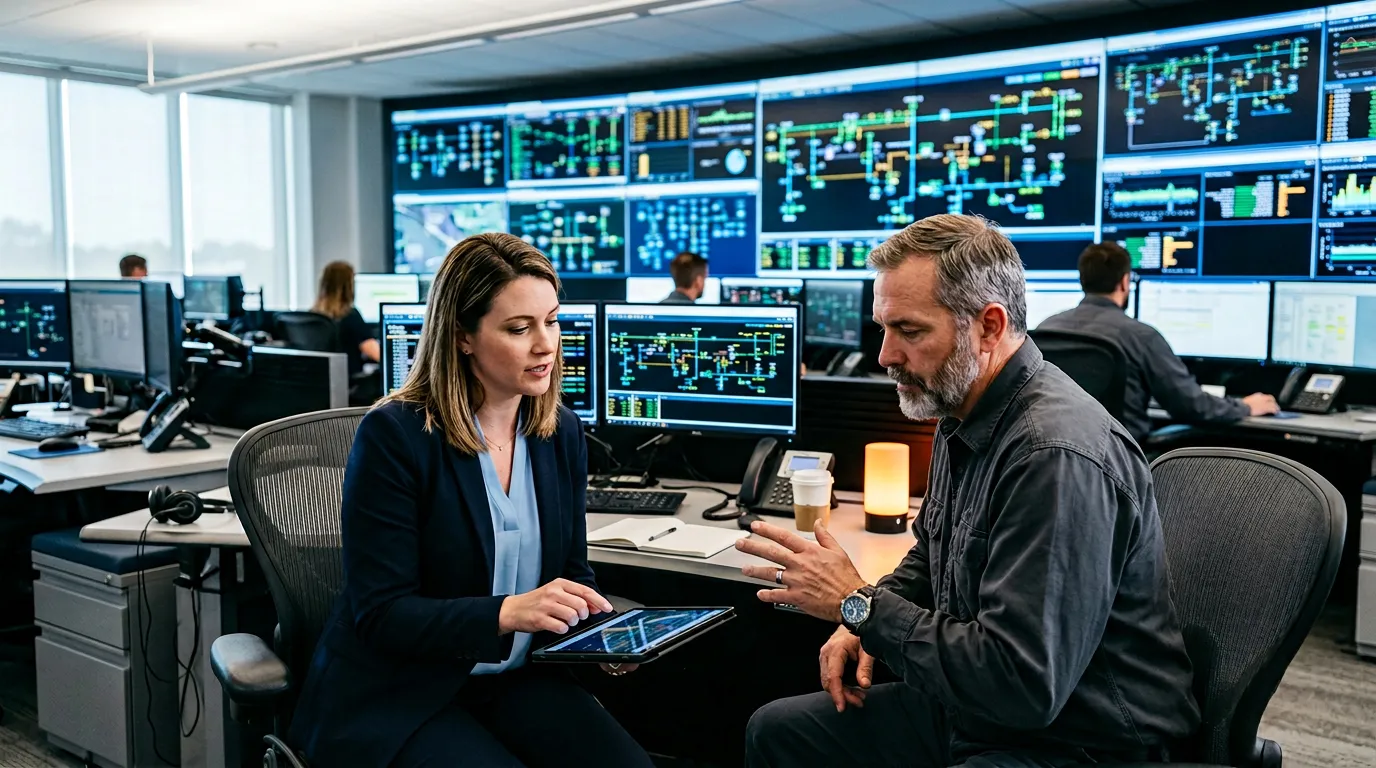
KORE1 energy IT staffing places grid modernization, OT/IT convergence, AMI, and NERC CIP engineers at utilities and energy companies. Our IT fill time averages 17 days, backed by a 92% 12-month retention rate.
Utility IT hiring is harder than it used to be. Three things collided.
DOE’s Grid Modernization Initiative pushed every investor-owned utility into overlapping programs at once. ADMS rollouts. DERMS pilots. AMI 2.0 refreshes. Then NERC CIP-015 tightened OT monitoring requirements, which pulled cyber talent out of pure IT roles. Meanwhile, a large share of senior grid engineers are nearing retirement. The bench that actually knows this work is small.
We source from that bench. KORE1 has been running our IT staffing services practice for 20+ years, and our energy desk tracks engineers by the platforms utility CIOs actually procure, not by a LinkedIn keyword match or a generic tech-stack skim.

We place the engineers standing up ADMS, DERMS, and AMI programs.
Grid modernization isn’t one skill. An ADMS integrator tuning fault location algorithms doesn’t do the same work as a DERMS engineer orchestrating behind-the-meter solar. We know the difference, and our recruiters screen for it. For the engineering side of solar, wind, and storage projects, see our renewable energy staffing team.
Most of the roles we run touch the control-room side. Schneider EcoStruxure ADMS and GE e-terra rollouts. AutoGrid and Enbala DERMS integration. Itron, Landis+Gyr, and Sensus AMI refreshes. GIS-to-OMS data flows. Some of it is greenfield, but most is the harder work of wiring new platforms into a live SCADA environment without tripping a feeder, breaking a DMS state estimator, or tripping a cyber alarm that drags an entire ops team out of bed on a Sunday.
These engineers don’t post on job boards. We find them.
- Schneider · EcoStruxure ADMS
- GE · GridOS + e-terra
- AutoGrid · DERMS Flex
- Itron · AMI + OpenWay
- Landis+Gyr · Gridstream Connect
- OSI · monarch EMS

Deep bench for NERC CIP, IEC 62443, and the OT/IT convergence seam.
If you’ve sat through a CIP-015 readiness review, you know why this talent is hard to find. OT security engineers aren’t generic SOC analysts. They build monitoring inside a network where a wrong firewall rule can drop a generating asset off the grid.
Our OT/IT placements cover CIP compliance programs, 62443 zone-and-conduit work, Purdue-model segmentation, Dragos and Claroty rollouts, and SCADA hardening inside GE Cimplicity, Siemens Spectrum, and OSI monarch shops. One midwest IOU came to us last quarter looking for a CIP-aligned OT analyst with real Dragos console time, not someone who had watched a webinar, and we placed one in 14 days because our recruiter already had three of them warmed up from a prior G&T search. That’s the kind of search we run.
We also staff the IT side of the seam. Engineers who can bridge a historian to a data lake without getting their VLANs crossed. The same OT/IT seam runs across oil and gas pipelines and plants, where our oil and gas staffing practice places the facilities and controls engineers behind the assets.
- NERC · CIP-015 Readiness
- IEC · 62443 Zone & Conduit
- Dragos · OT Detection Console
- Claroty · xDome + CTD
- Nozomi · Vantage + Guardian
- Purdue · Segmentation Model
17days
IT placements, trailing 12 months across the energy desk.
92pct
Placements still in seat after one year on assignment.
30us
IOUs, munis, co-ops, and energy majors across the U.S.
20yr
KORE1 founded 2005. Energy desk since day one.
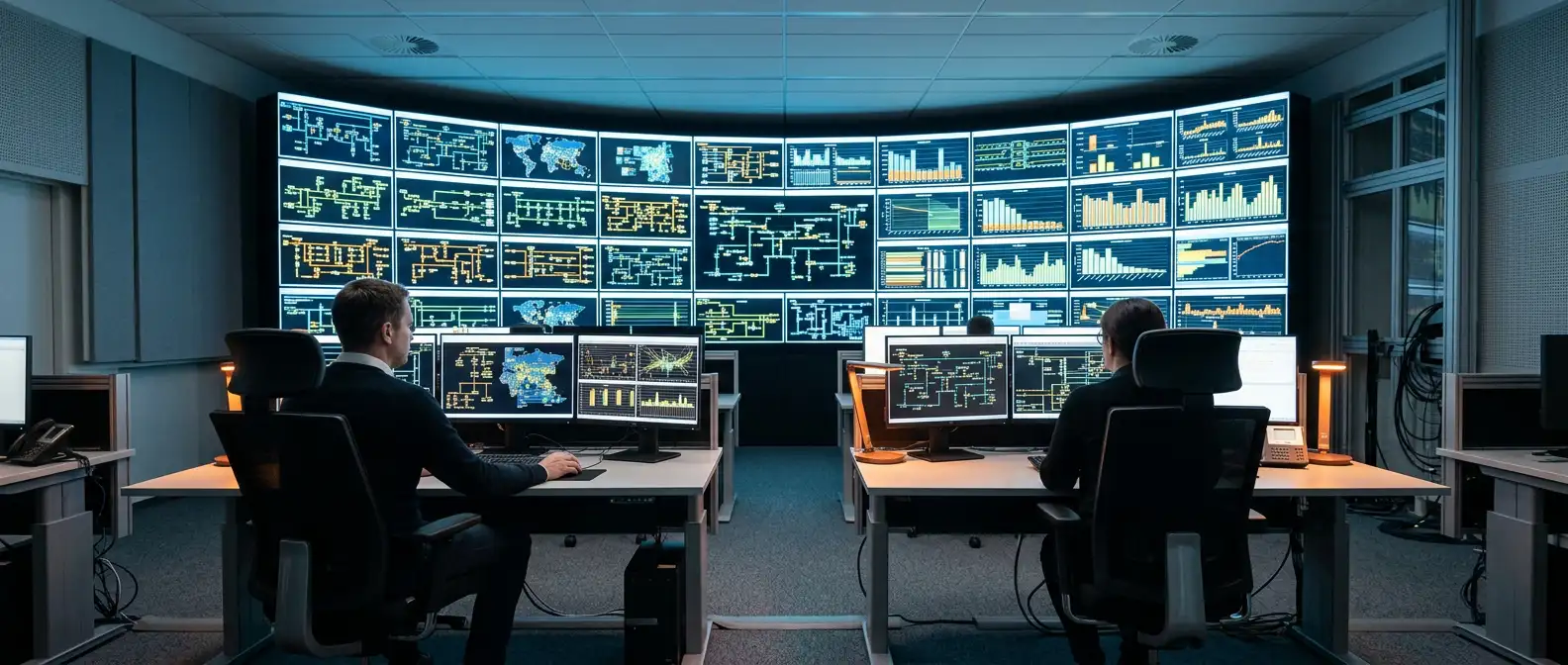
Control Room · Shift 03:17 UTC · Load 34.2 GW
How we staff energy programs.
Model · Contract
Contract
Program-length engagements for AMI refreshes, ADMS cutovers, and CIP audits. Scoped to a specific milestone and extended as programs slip.
Model · Contract-to-Hire
Contract-to-Hire
Try-before-hire for senior OT security and DERMS engineers where the fit risk is real and the role sits inside a multi-year program.
Model · Direct Hire
Direct Hire
Permanent placements for grid architects, principal cyber engineers, and utility CIO staff. Retained or contingent, contingent on role.
Also running active searches for utility cybersecurity roles, cloud engineers on utility data-lake migrations, and DevOps engineers on grid-software CI/CD.
Common questions.
Questions we get from utility CIOs, grid program leads, and OT security directors — answered in the terms they use.
What does an energy IT staffing agency do?
An energy IT staffing agency sources, screens, and places technology talent for utilities, co-ops, and energy companies. Roles span grid modernization, OT/IT convergence, NERC CIP cybersecurity, AMI analytics, and utility platform work on Schneider, GE, Itron, and OSI. The useful ones know the platforms by name, know who led the last rollout at which IOU, and know why a Netcracker veteran is not the same hire as a Salesforce Energy & Utilities Cloud veteran even when the LinkedIn headline looks identical. KORE1 has run energy IT placements for 20+ years, and our recruiters screen to the named platform, not to a generic job description.
Which roles are hardest to fill in grid modernization right now?
Three are genuinely scarce. DERMS integration engineers, because the platform market only has a handful of real-world rollouts and most of the seasoned operators are still under contract at the utility where they shipped their first cutover or at the vendor that sold them the software. OT security engineers with CIP-015 readiness experience, because the standard is new enough that seasoned operators are rare. And ADMS architects who’ve actually led a cutover, not just a design review. Everything else is tight but staffable in under four weeks.
How fast can KORE1 fill an OT/IT security engineer for a utility?
Our trailing 12-month IT average is 17 days. Utility OT security roles usually run a week longer because background checks are deeper, sponsored drug screens add days, and NERC CIP-aligned personnel risk assessment requires extra signoff steps that a typical corporate IT req does not carry. A CIP-versed Dragos analyst at an IOU, cleanly scoped, typically closes in 14 to 24 days once the req is approved.
Do you staff contract, contract-to-hire, and direct hire?
All three. Roughly 55% of our energy placements are contract, usually tied to a specific program milestone like an AMI rollout wave or a CIP audit window. Another 25% are contract-to-hire for senior OT and DERMS roles where the client wants to verify fit before converting. The remaining 20% are direct hire for architects and leadership.
What utility and grid platforms does KORE1 recruit against?
Schneider EcoStruxure ADMS, GE GridOS and e-terra, OSI monarch, AutoGrid DERMS, Enbala, Itron, Landis+Gyr, Sensus, OSIsoft PI, Oracle Utilities, and Salesforce Energy & Utilities Cloud. On the security side, Dragos, Claroty, Nozomi, and Tenable OT. We’ve run placements across all of these in the last 24 months. Platform specificity matters. A GE GridOS engineer does not drop into an OSI monarch shop and ramp in a month.
How does pricing work for energy IT staffing?
Rates depend on role seniority, engagement length, and whether you’re hiring direct or contract. We scope a proposal once we understand your program, timeline, and comp framework. In our own energy placements, senior DERMS integration leads and OT security architects in 2026 typically land in the $185K to $245K base range for direct hire, with utility total-comp structures adding another 12% to 18% on top.
For external context, the DOE Grid Modernization Initiative and the NERC CIP standards both shape the program roadmaps we staff against, alongside the BLS Occupational Outlook for utility operators.
Tell us what you’re modernizing. We’ll send candidates.
Investor-owned utilities, munis, co-ops, energy majors. ADMS, DERMS, AMI, OT security, grid analytics. We’ll match the search to the right recruiter and start reaching out this week.
— KORE1 · Energy Desk · Est. 2005 · Placements Across 30+ U.S. Metros
