

Healthcare IT Staffing Agency
You need someone who actually understands Epic builds, HIPAA audits, and revenue cycle workflows. Not a generalist recruiter reading a job description for the first time. KORE1 is a healthcare IT staffing agency that places EHR analysts, compliance specialists, and clinical informatics professionals into health systems that can’t afford a bad hire.

A healthcare IT staffing agency is a recruiting firm that specializes in placing technology professionals into healthcare organizations. These agencies focus on roles like EHR analysts, revenue cycle specialists, HIPAA compliance officers, and clinical informatics professionals. The best agencies combine deep healthcare industry knowledge with technical recruiting expertise so candidates understand both the technology and the regulatory environment they’ll work in.
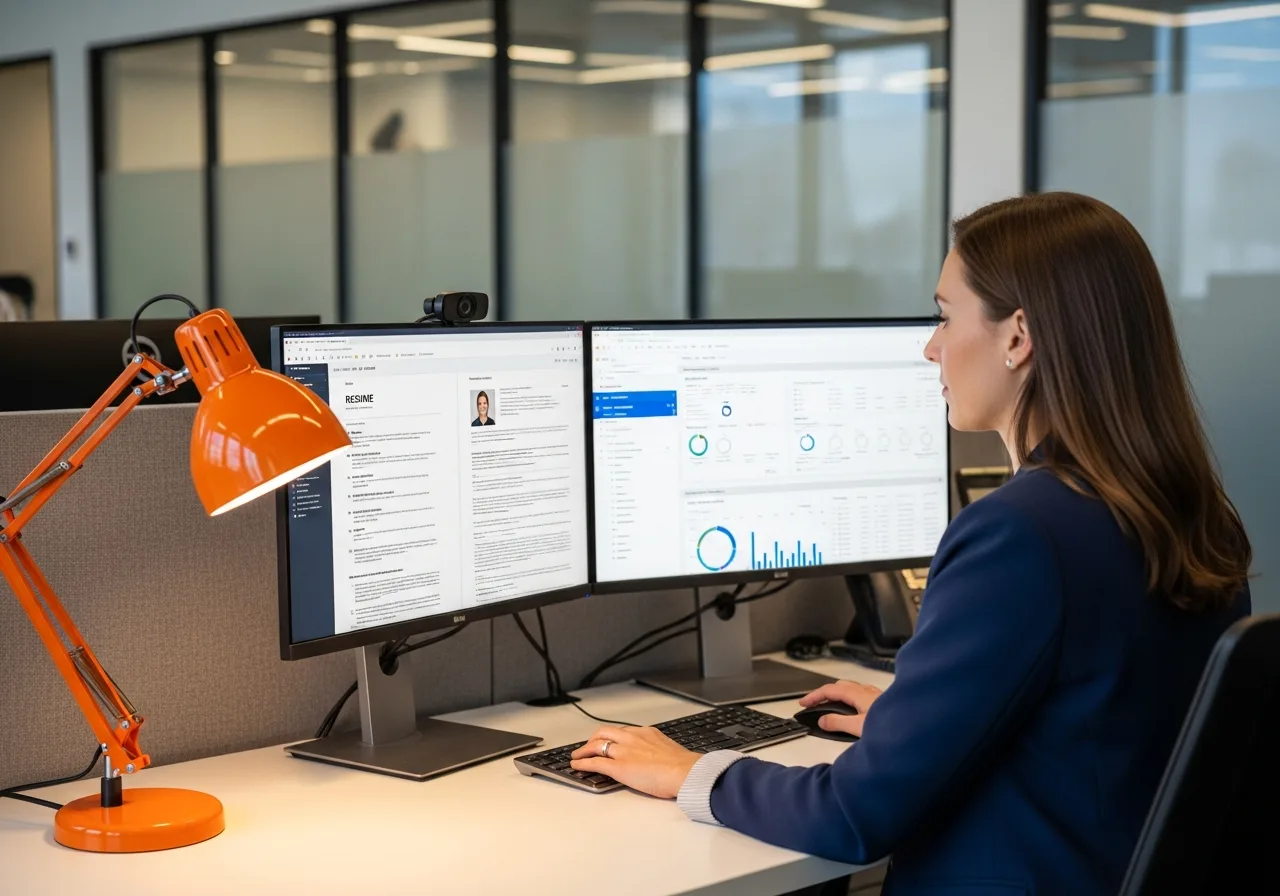
Why Hire a Specialized Healthcare IT Staffing Agency
Generic staffing firms will send you resumes. Lots of them. And most won’t know the difference between an Epic Clarity report writer and a Cerner Millennium analyst. That’s not a minor distinction. It’s the difference between a productive first week and three months of onboarding that eats your budget.
Healthcare IT is regulated. Heavily. HIPAA alone creates a baseline compliance requirement that filters out maybe 40% of general IT candidates who’ve never worked in a covered entity, which sounds high until you actually start screening and realize most applicants from general IT backgrounds have zero experience with covered entity operations, business associate agreements, or the kind of audit trail documentation that CMS expects. Add in the vendor-specific certifications, the clinical workflow knowledge, and the fact that a bad EHR configuration can literally affect patient safety, and the case for specialization becomes pretty obvious.
A specialized healthcare IT staffing agency pre-screens for all of this before you ever see a resume. Platform expertise, regulatory awareness, clinical vocabulary. The stuff that takes months to teach if your hire doesn’t already have it.
What Sets KORE1 Apart from Other Healthcare IT Staffing Companies
We’re going to be honest. There are other healthcare IT staffing companies out there. Some of them are fine. But here’s what we keep hearing from clients who switched to us.
Our recruiters actually know the platforms. Not just the names. The modules. The certification tracks. The difference between an Epic Bridges interface analyst and a Cadence scheduling build analyst, which by the way is a distinction that most generalist recruiters wouldn’t even think to ask about, let alone verify during a screening call. When we screen a candidate, we’re testing real knowledge against your specific environment.
We don’t blast job boards and pray. Over 70% of our healthcare IT placements come from our existing network. Professionals we’ve placed before, referrals from past candidates, recruiters who’ve spent a decade building relationships in this space. That’s why our average time to present qualified candidates is under two weeks.
Retention isn’t an afterthought. 92% of our placements stay past the first year. That number isn’t an accident. We match on culture, career trajectory, and clinical context. Not just skills and availability.
And if a placement doesn’t work out? We replace them. We’ve been doing this since 2010 and our reputation depends on getting it right.

Healthcare IT Roles We Staff
From frontline analysts to department leadership, we recruit across the full healthcare technology org chart.
| Role Category | Example Titles | Typical Engagement |
|---|---|---|
| EHR/EMR Specialists | Epic Analyst, Cerner Build Analyst, Meditech Developer | Contract or Direct Hire |
| Revenue Cycle | RCM Director, Coding Specialist, Denials Analyst | Contract-to-Hire or Direct |
| Clinical Informatics | Clinical Informaticist, Data Analyst, Quality Reporting | Direct Hire |
| Cybersecurity & Compliance | HIPAA Security Officer, Risk Analyst, Privacy Officer | Direct Hire |
| IT Infrastructure | Network Engineer, Cloud Architect, Help Desk Lead | Contract or Contract-to-Hire |
| Project Management | Healthcare IT PM, EHR Implementation Lead, Program Director | Contract or Direct Hire |
| Integration & Interoperability | HL7/FHIR Analyst, Interface Engineer, Data Migration Lead | Contract |
We also place ERP services, training, and adoption specialists for health systems going through digital transformation. If it touches healthcare technology, we’ve probably staffed it.
How Our Healthcare IT Staffing Process Works
We don’t just match keywords to resumes. Here’s the actual process.
Understand Your Environment
Which EHR platform are you on? What’s the compliance posture? Is this a go-live, an optimization, or a backfill? We ask the questions that generalist agencies don’t know to ask.
Source from Our Network
We go to our existing network first. Professionals we’ve placed before, referrals, and candidates we’ve been tracking. Then we expand outward if needed. Speed matters when you have open reqs affecting patient workflows.
Screen for Real Knowledge
Platform-specific vetting. Regulatory awareness checks. We verify certifications, test domain knowledge, and confirm that candidates can talk about your workflows, not just their resume bullet points.
Place and Support
We handle onboarding coordination, 30/60/90-day check-ins, and retention support. If something isn’t working, we usually hear about it before you do because our account managers are checking in regularly, not just waiting for a complaint email. And we fix it.
Healthcare IT Engagement Models
Not every healthcare IT hire looks the same, and the engagement structure shouldn’t either. We offer three models.
Contract Staffing
For EHR go-lives, system migrations, and project-based work. You get specialized talent for the duration of the initiative without long-term overhead. Most healthcare IT contract placements start within 2-3 weeks. Learn more about contract staffing.
Contract-to-Hire
Not sure if the fit is right? Start with a contract period to evaluate performance, cultural alignment, and technical skill in your actual environment before making a permanent commitment. Reduces mis-hire risk significantly.
Direct Hire
For core team roles and leadership positions where you need someone permanent from day one. We handle the full search, from sourcing through offer negotiation. See our direct hire process.

Why Healthcare IT Hiring Is Harder Than General IT
It just is. And most hiring managers already know this, but here’s why it keeps coming up.
The talent pool is smaller. A strong Java developer might have 50,000 peers in the US market. A strong Epic Bridges analyst with go-live experience? Maybe 2,000. And they’re not sitting on job boards refreshing LinkedIn, they’re heads-down at another health system finishing a 14-month implementation that’s three months behind schedule, which means you need a recruiter who already has a relationship with them, not someone cold-emailing from a database.
Compliance isn’t optional. Every healthcare IT professional needs to understand HIPAA at a minimum. Many roles require OIG exclusion screening, background checks that go beyond standard IT, and familiarity with specific regulatory frameworks like HITECH or 21st Century Cures Act. A generalist agency won’t catch gaps here until it’s too late.
Then there’s the EHR problem. Epic certified professionals are not interchangeable with Cerner certified professionals, and this trips up hiring managers constantly because the job titles look identical on paper but the actual day-to-day work, the build tools, the reporting engines, even the terminology is completely different between platforms. An analyst who’s brilliant in one ecosystem may need months of retraining in another. A specialized healthcare IT staffing agency knows this and screens accordingly.
That’s why organizations partner with firms that understand healthcare technology at a technical level. Not just the job titles.
EHR Platforms We Staff
Our recruiters have placed professionals across every major electronic health record system.
- Epic (Clarity, Caboodle, Bridges, Cadence, MyChart, Beaker, Willow, OpTime)
- Cerner / Oracle Health (Millennium, PowerChart, SurgiNet, PharmNet)
- Meditech (Expanse, 6.x, Magic)
- Athenahealth (athenaClinicals, athenaCollector)
- CPSI / TruBridge
- Allscripts / Veradigm
- eClinicalWorks
Don’t see your platform? We’ve probably staffed it. Reach out and ask.
Ready to Work with a Healthcare IT Staffing Agency That Gets It?
Stop sending job descriptions into the void. Talk to a recruiter who already knows the difference between a Clarity report writer and a Caboodle data architect. We’ll have qualified candidates in your pipeline within two weeks.
Frequently Asked Questions
What does a healthcare IT staffing agency do?
We find, screen, and place technology professionals into healthcare organizations. That means EHR analysts, revenue cycle specialists, HIPAA compliance officers, clinical informatics pros, IT infrastructure engineers, and project managers. The “agency” part means we handle the full recruiting cycle so your internal team doesn’t have to source, vet, and negotiate with candidates in a talent market where qualified people are genuinely hard to find.
How much does healthcare IT staffing cost?
It depends on the engagement model. Contract staffing is billed hourly with a markup on the candidate’s rate. Direct hire is typically a percentage of the first-year salary, usually somewhere between 20 and 25 percent depending on the seniority of the role and how hard the search is going to be, and yes, a CMIO search costs more than backfilling a help desk analyst. Contract-to-hire splits the cost between the contract period and a reduced conversion fee. We’re transparent about pricing and will give you exact numbers before any engagement starts. Contact us for a quote.
How quickly can you fill a healthcare IT position?
Two to three weeks for most contract roles. Sometimes faster if we have a strong match already in our network. Direct hire for specialized roles, think CMIO-level or niche EHR expertise, can take four to six weeks because the vetting goes deeper. We’ll give you a realistic timeline during the intake call, not a number designed to close the deal.
Do you staff for Epic, Cerner, and other EHR systems?
Every single one. Epic across the full module stack including Clarity, Caboodle, Bridges, Cadence, and MyChart. Cerner/Oracle Health including Millennium and PowerChart. Meditech from Expanse all the way back to legacy Magic environments, which yes, some hospitals are still running and finding certified talent for those older versions is genuinely difficult. Plus Athenahealth, CPSI, Allscripts, and eClinicalWorks. We screen candidates against the specific modules and certification levels your environment requires.
What’s the difference between a healthcare IT staffing agency and a general IT recruiter?
Domain knowledge. A general IT recruiter can fill a help desk role or a software developer position. But healthcare IT requires understanding of clinical workflows, regulatory compliance including HIPAA, HITECH, and OIG exclusion screening, vendor-specific EHR platforms that each have their own certification programs and build methodologies, and the operational realities of hospitals and health systems where a misconfigured order set can delay patient care. A specialized agency screens for all of this. A generalist agency screens for technical skills and hopes the rest works out.
What happens if a placement doesn’t work out?
We replace them. Every engagement includes a guarantee period, and we don’t bury it in fine print or make you fight for it when something goes sideways. For direct hires, that’s typically 90 days. For contract roles, we can have a replacement started within a week. Our 92% retention rate means this doesn’t happen often, but we stand behind every placement.