
Last updated: August 6, 2026
Materials Engineering Staffing
Semiconductor fabs, aerospace primes, and battery cell manufacturers rely on KORE1 to find materials engineers with real process depth — not just keyword matches.
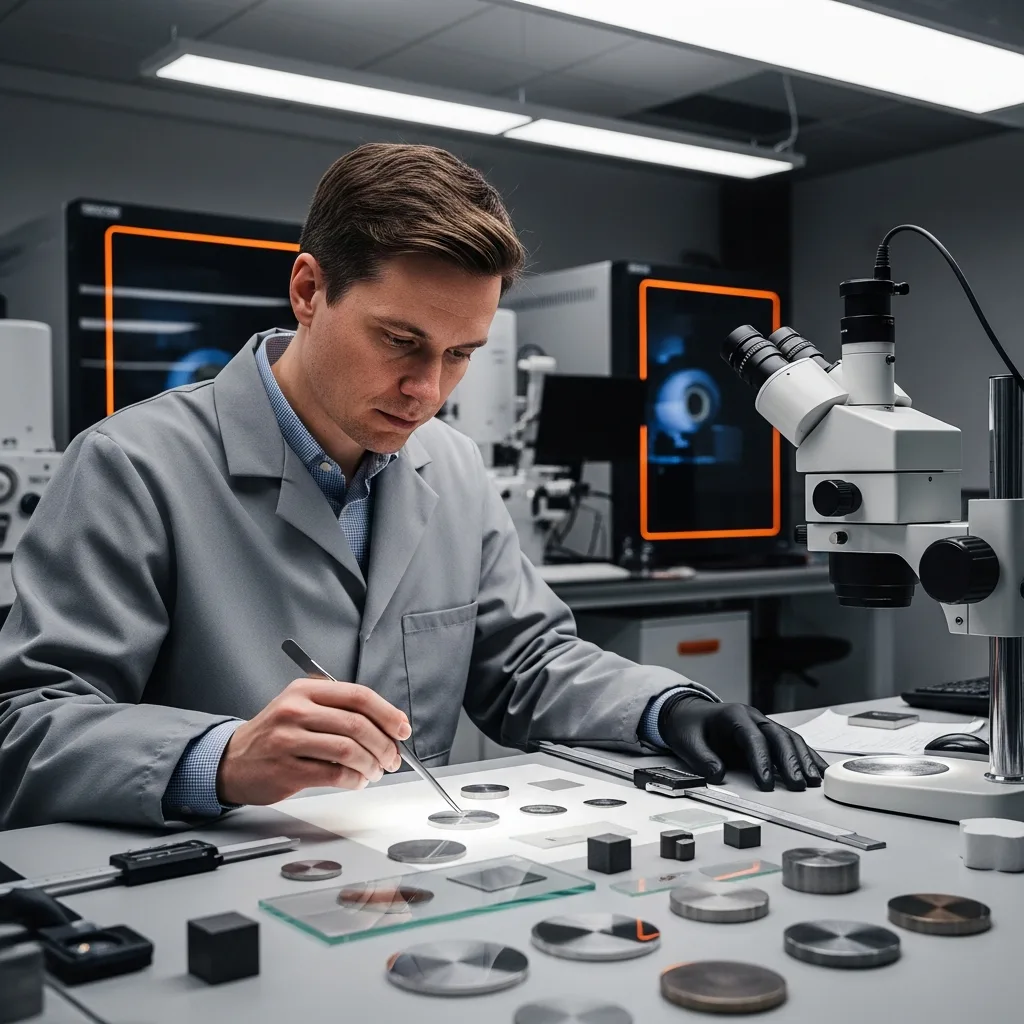
KORE1 places materials engineers across semiconductor fabrication, aerospace structures, and battery R&D, with a 17-day average time-to-hire and 92% 12-month retention across roles that demand process depth.
What Is Materials Engineering Staffing?
Materials engineering staffing connects companies with engineers who understand the physical, chemical, and mechanical properties of the materials their products depend on. That scope runs from the foundational discipline covered by the BLS all the way to specialized work in thin film deposition, battery electrolyte formulation, and composite layup design.
The challenge isn’t finding a materials engineer. It’s finding one who understands your specific substrate, your process environment, and your failure modes. A metallurgist with deep titanium alloying experience won’t necessarily know CVD chamber chemistry. A polymer scientist who’s worked on structural adhesives for aircraft probably hasn’t touched lithium-ion cathode coating lines. Specificity matters here.
KORE1 recruits across the engineering staffing agency practice with a dedicated focus on hard materials disciplines — the ones where generalist recruiters run out of vocabulary after the first screening question.
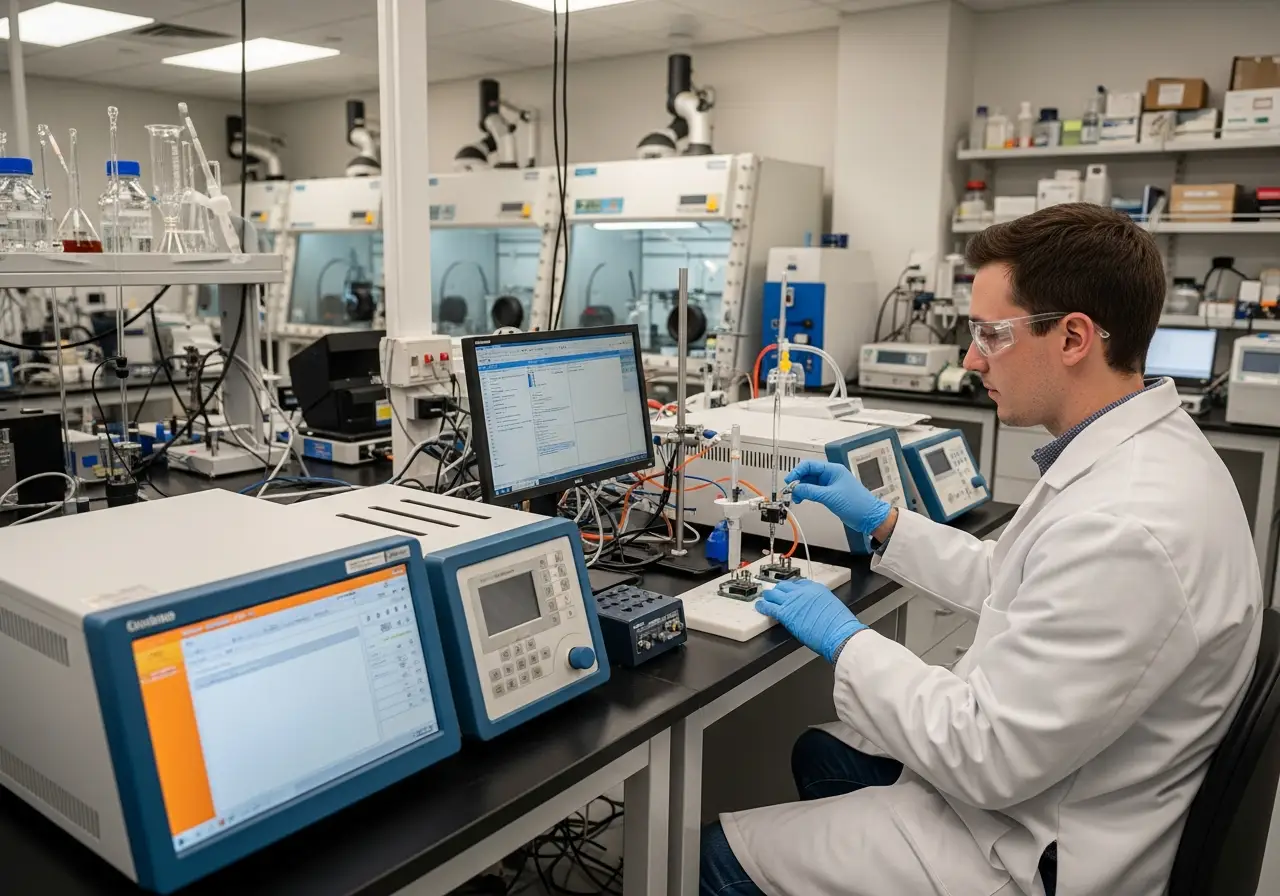
Materials Engineering Roles We Fill
The roles below represent the intersections where KORE1 consistently places. Not every materials engineer fits every vertical. We pre-screen for the right substrate knowledge before a candidate ever reaches your hiring manager.
Semiconductor and process materials
- Thin Film Process Engineer (CVD, ALD, PVD, sputtering)
- CMP Process Engineer and Consumables Engineer
- Dielectric and Gate Stack Materials Specialist
- Photolithography and Photoresist Engineer
- Failure Analysis and Defect Engineer
- Semiconductor Materials Scientist (III-V, SiC, GaN)
Aerospace and defense materials
- Composite Structures Engineer (CFRP, GFRP, hybrid layups)
- Metallurgist (titanium, inconel, aluminum alloys)
- Thermal Protection Systems Engineer
- Coatings and Surface Treatment Engineer
- Materials Qualification and Specification Engineer
Battery and energy storage materials
- Cathode Materials Engineer (NMC, LFP, NCA chemistries)
- Anode Materials Researcher (graphite, silicon, lithium metal)
- Electrolyte Formulation Scientist
- Battery Cell Manufacturing Process Engineer
- Solid-State Battery R&D Scientist
For broader engineering roles beyond materials, see our semiconductor staffing practice for chip design and fab operations, or our aerospace engineering staffing page for structures, propulsion, and avionics.
Three Verticals. One Recruiting Partner.
Semiconductor, aerospace, and batteries each have different hiring cadences, technical vocabularies, and candidate pools. We know all three — and when a candidate straddles two, we know how to pitch that story to your hiring team.
Semiconductor Fabrication
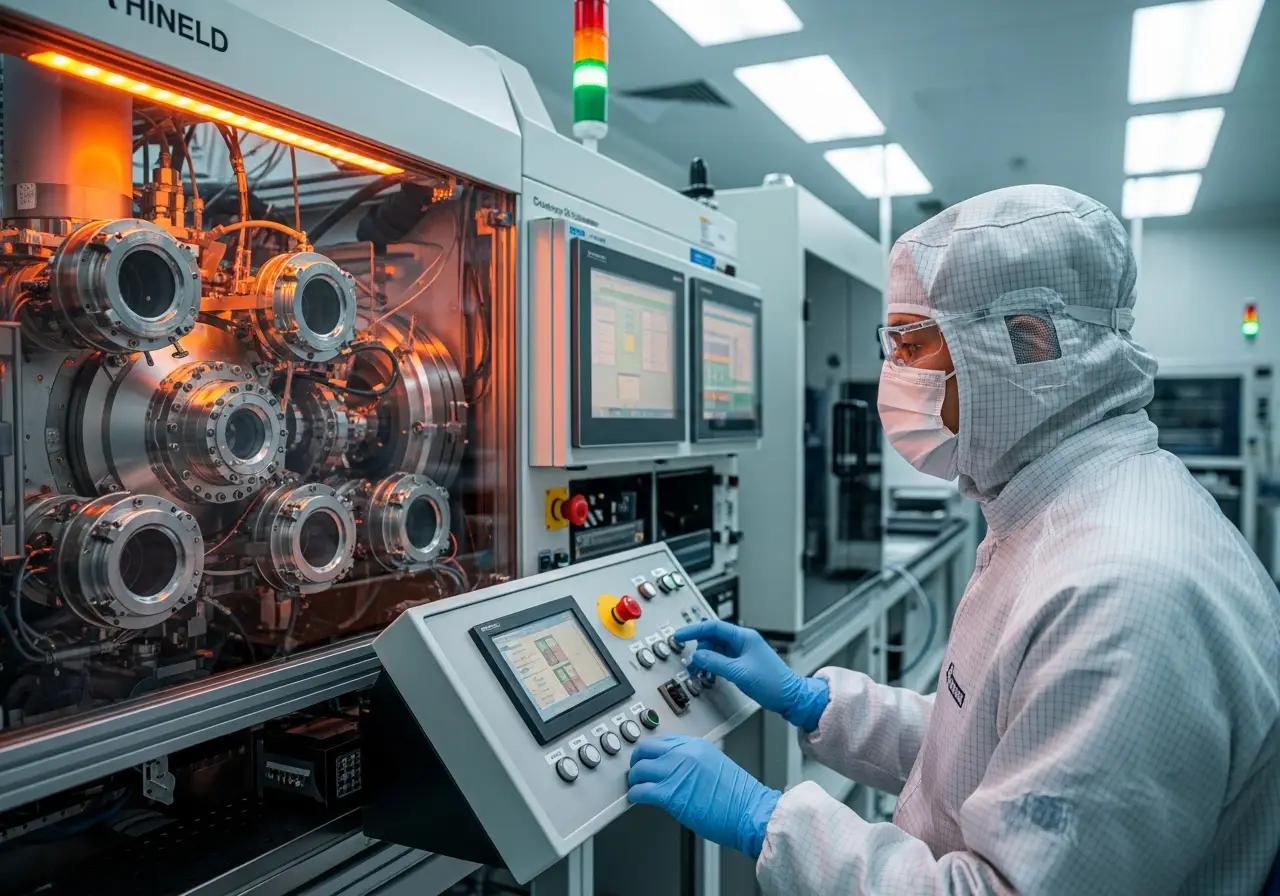
Process engineers, integration engineers, and materials scientists for logic, memory, and compound semiconductor fabs. We place across leading fabs and emerging SiC and GaN power device programs.
Aerospace Structures and Propulsion
Composite engineers, metallurgists, and failure analysis specialists for commercial aviation, defense, and space launch. NADCAP and AS9100 familiarity are non-negotiable screening criteria for these searches.
Battery and Energy Storage
Cathode, anode, electrolyte, and cell manufacturing engineers for EV OEMs, cell manufacturers, and storage integrators. Finding people who’ve shipped product — not just published papers — is the hard part.
Why Materials Engineering Hiring Is Harder Than It Looks
Three of our last five materials searches turned on a characterization tool requirement the client hadn’t even listed in the job description. Knowing to ask is the whole game.
Staffing Models for Every Program Phase
Materials engineering needs shift by program stage. Early R&D looks different from process transfer, and production ramp looks different from both. We support all three engagement models depending on where your program sits.
Contract
Short-term process engineers and materials scientists for qualification runs, product development sprints, and production surge coverage. Backfill headcount without the permanent commitment.
Contract-to-Hire
Work side-by-side with a candidate before making a full-time offer. Useful when you’re scaling a battery materials team quickly and can’t afford a chemistry mismatch six months in.
Direct Hire
Permanent placement for principal engineers, materials team leads, and R&D scientist roles where institutional knowledge retention is the primary driver. KORE1’s 92% retention rate is where our sourcing depth shows up.
Common Questions About Materials Engineering Staffing
How quickly can KORE1 fill a materials engineering role?
KORE1’s average time-to-hire for materials engineering roles is 17 days across contract, contract-to-hire, and direct hire searches. That figure varies by vertical. Semiconductor process engineers in active fab programs often move faster, while senior R&D scientist roles at early-stage battery companies can run 3–5 weeks, especially when the hiring team has narrow characterization tool requirements. We present qualified candidates within 3–5 business days of intake regardless of the timeline target.
Do you recruit for both R&D and manufacturing engineering positions?
Yes, and that distinction matters more than most clients expect. R&D scientists and manufacturing process engineers have overlapping backgrounds but different daily realities. One is writing characterization protocols; the other is running root-cause analysis on a yield excursion. We ask that question explicitly in the intake call so we don’t send researchers who’ve never touched HVM toolsets — or manufacturing engineers who’d be underwater in an exploration-phase lab.
Can you place materials engineers in semiconductor fabs specifically?
Semiconductor fab staffing is one of our core materials verticals. We place thin film, CMP, etch, and integration engineers at logic and memory fabs, as well as compound semiconductor programs in SiC and GaN. See our dedicated semiconductor staffing page for the full discipline breakdown. If your search spans both fab process and device materials, we can run both tracks simultaneously without creating candidate overlap.
What’s the difference between a materials scientist and a materials engineer in industry job postings?
In industry, the line blurs — but in practice, a materials scientist tends to be research-oriented, generating data and advancing understanding of material behavior. A materials engineer applies that knowledge to production systems, specifications, and failure analysis. We screen for both and ask hiring managers which mode the role actually lives in, because a mismatch here is a common 90-day churn driver in technical placements.
Do you work with aerospace programs that have strict materials qualification requirements?
Absolutely. Aerospace materials roles often require NADCAP familiarity, AS9100 or ITAR awareness, and direct experience with military or commercial aviation specification work (MIL-STD, FAA DER frameworks). We filter for these in pre-screening. For the full aerospace engineering picture, our aerospace engineering staffing practice covers structures, propulsion, and avionics alongside materials.
How do you find passive materials engineering candidates who aren’t on job boards?
Most strong materials engineers aren’t applying anywhere. They’re running experiments, writing process specs, or debugging yield issues at existing employers. KORE1’s recruiters source through technical society networks, alumni databases from top materials engineering programs (MIT, UCSB, Michigan, Northwestern), and direct outreach to people whose publication history or patent filings signal the specific background you need. Our team averages 15+ years in technical placement — they don’t cold-read resumes.
Do you place battery materials engineers for EV or energy storage programs?
Battery materials is one of the fastest-moving verticals in our engineering practice. We place cathode materials engineers, electrolyte scientists, cell manufacturing engineers, and solid-state battery R&D roles for EV OEMs, Tier 1 cell manufacturers, and government-funded energy storage programs. It’s also one of the hardest searches — the talent pool is thin, most strong candidates are locked in multi-year programs, and the technical screening requires real depth. We dig deeper than most firms are willing to go on these.
Do you recruit for both R&D and manufacturing engineering positions?
Yes, and KORE1 distinguishes between R&D scientists who write characterization protocols and manufacturing process engineers who run yield excursion root cause. We ask which mode the role lives in during intake to avoid mismatch.
What is the difference between a materials scientist and a materials engineer in industry job postings?
A materials scientist tends to be research-oriented while a materials engineer applies that knowledge to production systems and failure analysis. KORE1 screens for both and clarifies which mode the role requires to prevent 90-day churn.
How do you find passive materials engineering candidates who are not on job boards?
KORE1 sources materials engineers through technical society networks, alumni databases from top programs including MIT, UCSB, Michigan, and Northwestern, and direct outreach based on publication history and patent filings. Our recruiters average 15 or more years in technical placement.
Find Your Next Materials Engineer in 17 Days
Tell us the discipline, vertical, and hiring mode. We’ll have qualified candidates in front of you within the week.
Start Your Search →