
Last updated: August 6, 2026
Manufacturing Staffing Agency
Production lines don’t wait for open headcount. KORE1 places PLC programmers, electromechanical technicians, quality engineers, and plant leadership within 25–30 miles of your facility, with recruiters who know the difference between Allen-Bradley and Siemens controls.
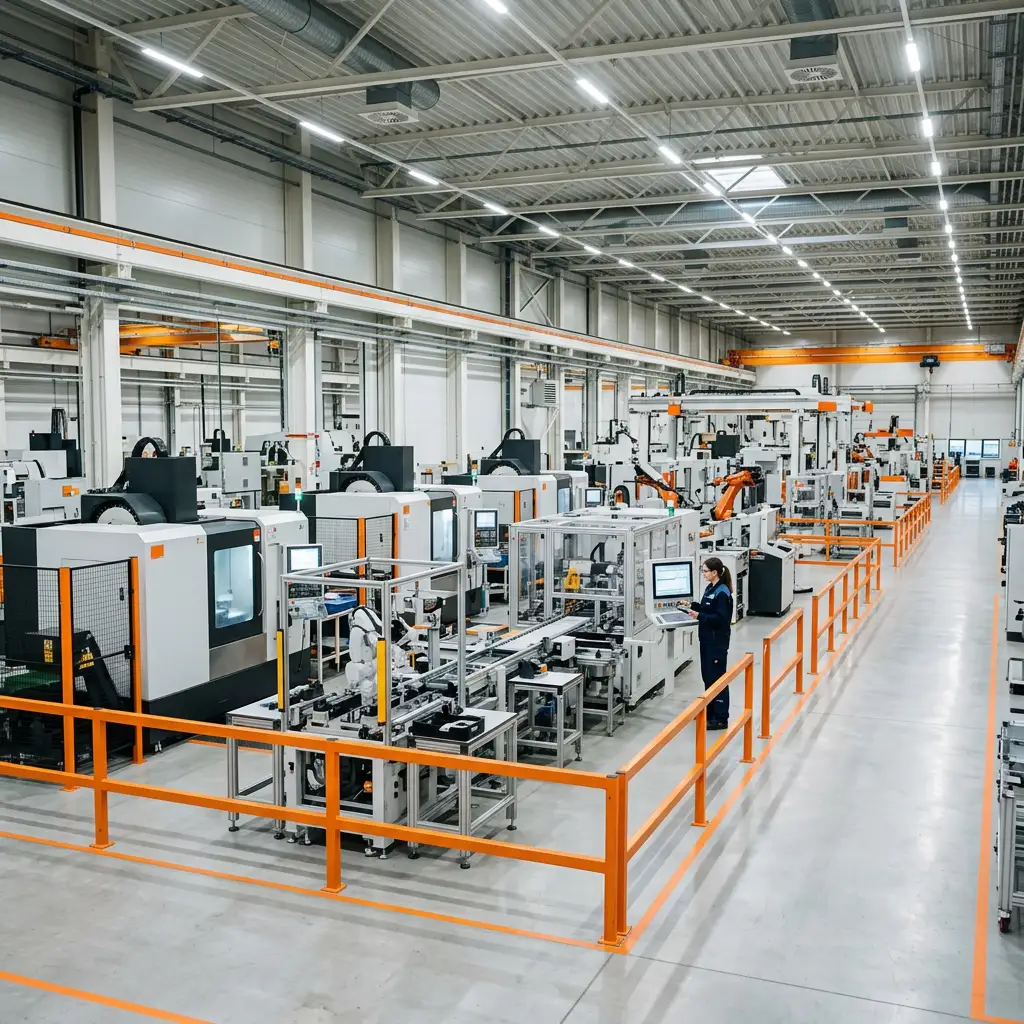
Why Manufacturing Hiring Is Different
KORE1 places manufacturing professionals, including PLC programmers, electromechanical technicians, quality engineers, and production supervisors, across 30+ U.S. metros with a 17-day average time-to-hire and 92% twelve-month retention rate.
You can’t hire a press brake operator remotely. Can’t onboard a maintenance tech over Zoom. Manufacturing is one of the last industries where the work is truly, unavoidably onsite. The Bureau of Labor Statistics projects steady demand for production occupations through 2033, but the pipeline of skilled workers isn’t keeping pace. That changes the entire recruiting equation.
The Manufacturing Institute and Deloitte project the U.S. manufacturing sector will need 3.8 million new workers by 2033, with roughly 1.9 million positions going unfilled if current talent trends hold. Reshoring is accelerating the squeeze. Companies that spent two decades offshoring production to Southeast Asia and China are bringing lines back to Ohio, Texas, and the Carolinas. The buildings go up fast. The workforce doesn’t.
KORE1’s manufacturing staffing practice sits under our broader engineering staffing agency, which means your recruiter has the technical vocabulary to screen for Allen-Bradley ControlLogix certification, Siemens S7 proficiency, or Six Sigma Green Belt credentials without guessing.
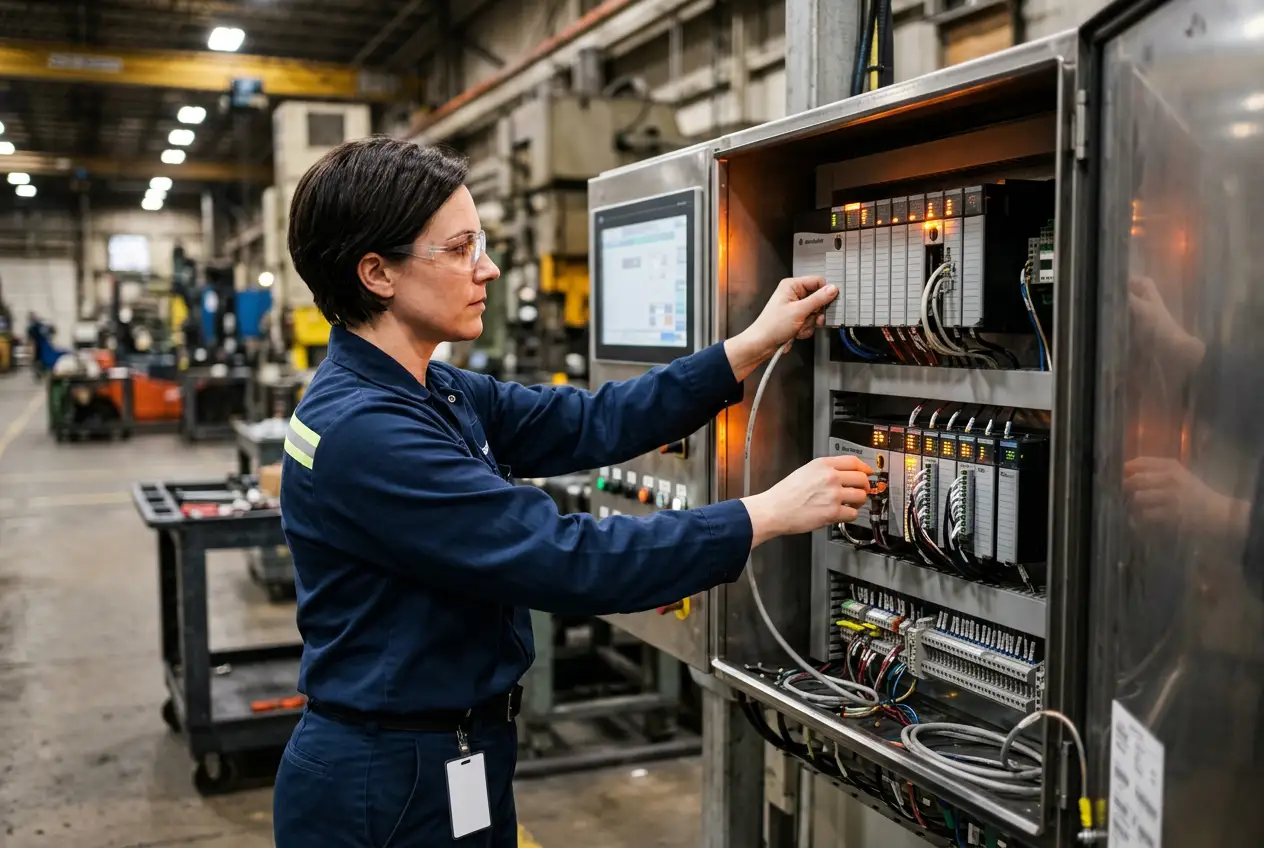
Manufacturing Roles We Fill
Our recruiters source across the full manufacturing org chart, from skilled trades roles that overlap with our light industrial staffing practice to senior plant leadership. Some roles take two weeks. Others, like controls engineers with tapeout-level PLC experience, can stretch past 30 days. We’re honest about timelines upfront.
Controls & Automation
- PLC Programmers (Allen-Bradley, Siemens, Mitsubishi, Omron)
- Controls Engineers and Systems Integrators
- SCADA/HMI Developers
- Robotics Technicians and Programmers
Production & Operations
- Production Supervisors and Plant Managers
- CNC Machinists and Operators (3-axis through 5-axis)
- Electromechanical Technicians
- Process and Manufacturing Engineers
Quality & Maintenance
- Quality Engineers and Inspectors (CMM, ISO 9001)
- Reliability Engineers (CMRP-certified, RCM/FMEA, vibration analysis, predictive maintenance program leads)
- Maintenance Technicians (electrical, mechanical, multi-craft)
- Supply Chain and Logistics Coordinators
- EHS Specialists and Safety Managers
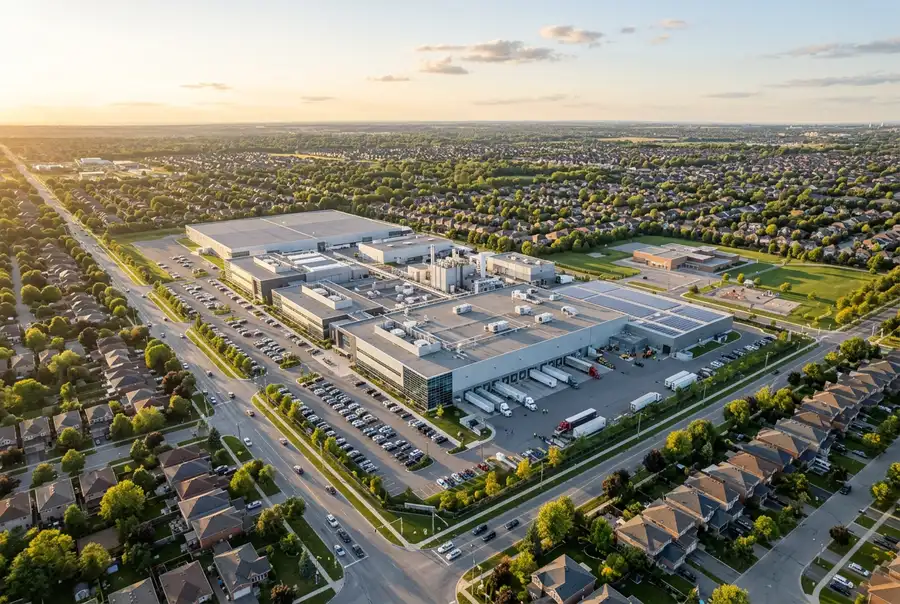
The 25–30 Mile Radius Rule
Manufacturing roles are onsite. Period. Remote doesn’t apply when you’re calibrating a coordinate measuring machine or troubleshooting a servo drive at 2 a.m. during a production run.
We’ve learned, after hundreds of manufacturing placements, that commute distance is the single biggest predictor of retention. Place someone 45 minutes away and you lose them inside six months. 25 to 30 miles is the sweet spot where candidates show up consistently, don’t burn out on the drive, and actually stick past the first anniversary.
So we source local first. Always. Our recruiters map the talent pool within that radius before expanding, and they know which zip codes have deep pockets of manufacturing talent versus which ones are tapped out by the three other plants down the road.
This approach isn’t faster on paper. But it produces a 92% retention rate at twelve months, which means you’re not re-hiring the same seat six months later. That’s the math that matters. Whether you need a permanent direct hire plant manager or a contract maintenance tech for a 90-day line ramp, we source the same radius.
Manufacturing Staffing Results
Three Ways to Staff Your Floor
Direct Hire
Permanent placements for plant managers, controls engineers, and quality directors where long-term retention is the priority. We handle sourcing, screening, and offer negotiation.
Contract Staffing
Flexible production and maintenance technicians for seasonal demand, new line launches, facility expansions, or backfill during extended leaves. Scale up or down without carrying permanent overhead.
Contract-to-Hire
Test-drive candidates on the floor before making it permanent. Most manufacturing clients convert within 90 days. You see the work ethic, the attendance pattern, and the technical skill before committing.
Common Questions
What types of manufacturing positions does KORE1 fill?
KORE1 places roles across the entire manufacturing org chart, from PLC programmers and CNC machinists to plant managers and EHS specialists. We recruit controls and automation engineers (Allen-Bradley, Siemens, Mitsubishi), production supervisors, quality engineers and inspectors, electromechanical technicians, process engineers, maintenance techs, and supply chain coordinators. If the role exists on a factory floor or in a plant office, we’ve likely filled it before.
How fast can you place a manufacturing worker?
17 days is our average across all manufacturing placements over the past 12 months. Standard production and maintenance roles often close faster, sometimes inside two weeks. Senior controls engineers and plant managers trend longer, closer to three or four weeks, because the candidate pool for Allen-Bradley ControlLogix or Siemens S7 expertise at the senior level is genuinely thin. We’ll give you a realistic timeline on the first call, not an optimistic guess.
Do your recruiters actually understand manufacturing technology?
Yes, and this is the difference that shows up in candidate quality. Our manufacturing recruiters operate under KORE1’s engineering staffing practice, which means they can screen for specific PLC platforms, read a controls architecture diagram, and tell the difference between a multi-craft maintenance tech and someone who just resets breakers. We don’t send candidates who padded their resume with “PLC experience” because they watched a YouTube tutorial. Technical vetting happens before you ever see a profile.
Why does commute distance matter so much for manufacturing hires?
$4,700 is the average cost of replacing a manufacturing worker who quits within the first year, according to the Society for Human Resource Management. The number one reason for early turnover in manufacturing? Commute. We source within 25 to 30 miles of your facility because that’s the radius where candidates reliably stay past the one-year mark. Our 92% retention rate at twelve months isn’t luck. It’s a sourcing discipline we’ve refined over 20 years of technical placements.
Can KORE1 help with reshoring staffing needs?
Absolutely. Reshoring is driving a significant portion of our manufacturing staffing volume right now. Companies bringing production back from overseas need to staff entire facilities, sometimes from zero. We’ve supported ramp-ups that required 15 to 20 hires across maintenance, production, quality, and supervisory roles within a 60-day window. The challenge isn’t just finding bodies. It’s finding people who can operate specific equipment, pass safety certifications, and function in a facility that’s still being commissioned.
What manufacturing industries does KORE1 serve?
We staff across discrete manufacturing, process manufacturing, and hybrid environments. That includes automotive parts and assembly, aerospace and defense components, medical device production, food and beverage processing, semiconductor packaging, industrial equipment, consumer electronics, and chemical processing. The common thread is that these roles require hands-on technical skill, safety awareness, and the ability to work in regulated environments. We’re not a light industrial temp agency placing warehouse pickers. Our focus is skilled manufacturing talent.
Your Next Manufacturing Hire Starts Here
Tell us the role, the location, and the timeline. We’ll tell you honestly whether we can fill it, and how fast.
Talk to a Manufacturing Recruiter →