
Last updated: May 26, 2026
Reliability Engineering Staffing
Downtime burns cash by the hour. KORE1 places CMRP-certified reliability engineers, predictive maintenance technicians, and rotating equipment specialists who keep your assets running, your mean time between failures climbing, and your maintenance budget from spiraling.
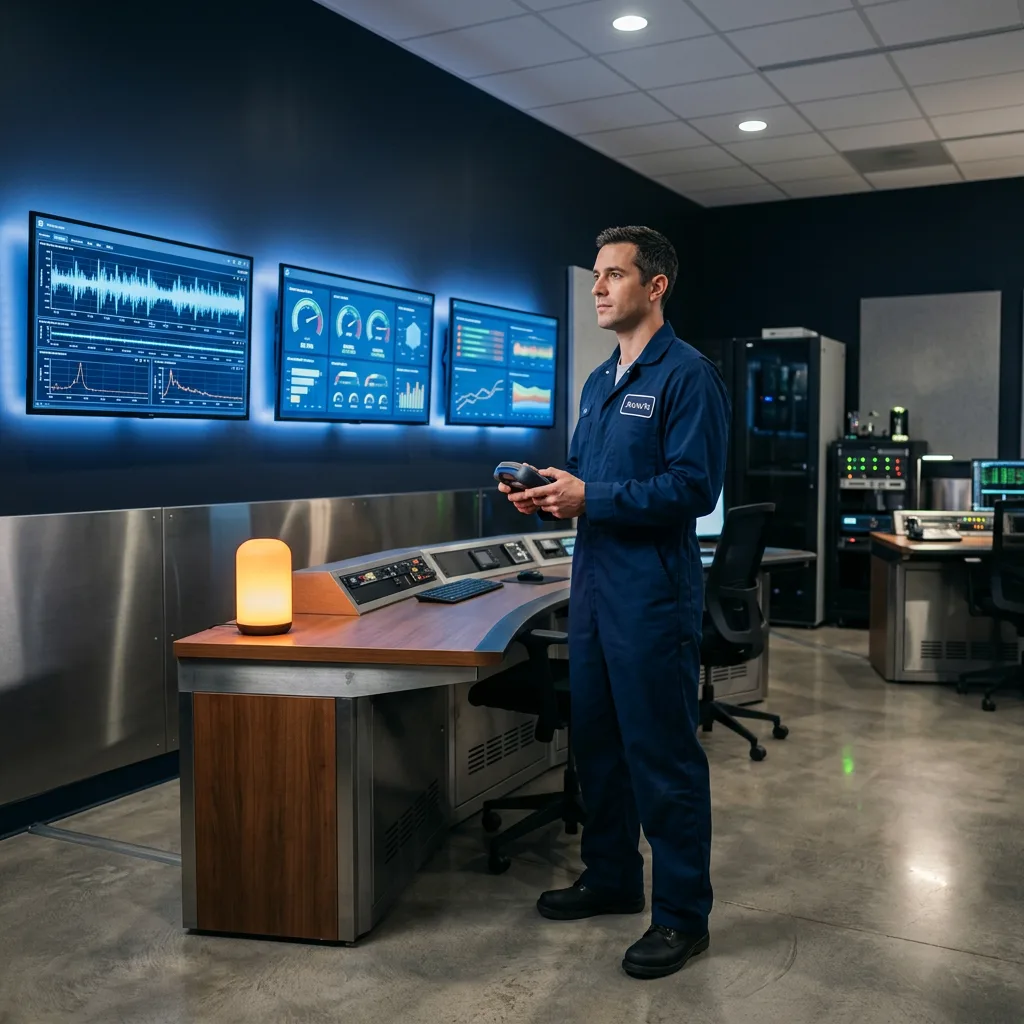
Why Reliability Hires Move the Bottom Line
KORE1 places reliability engineers, CMRP-certified maintenance professionals, predictive maintenance technicians, and rotating equipment specialists across 30+ U.S. metros, with a 17-day average time-to-hire and 92% twelve-month retention rate.
A single unplanned shutdown on a critical line can cost six figures before the techs even reach the asset. The Bureau of Labor Statistics 2025 Occupational Outlook projects continued double-digit growth for industrial and reliability engineering roles through 2033, driven by aging infrastructure, sensor-rich plants, and the slow march from reactive maintenance toward predictive programs that actually work.
The talent pool isn’t keeping pace. According to the Society for Maintenance & Reliability Professionals, fewer than 8,000 engineers globally hold the active CMRP credential, and the senior tier inside U.S. manufacturing is thinner still. Plants that need someone who can build an RCM program from scratch, defend a FMEA to plant leadership, and read a vibration spectrum without a tutorial are competing for a small bench.
KORE1’s reliability engineering practice sits under our broader engineering staffing agency, alongside manufacturing staffing, controls engineer staffing, and process engineering. Your recruiter has the technical vocabulary to screen for Weibull analysis fluency, SAP PM or Maximo configuration depth, and ISO 18436-2 vibration certification levels without guessing what any of that means.
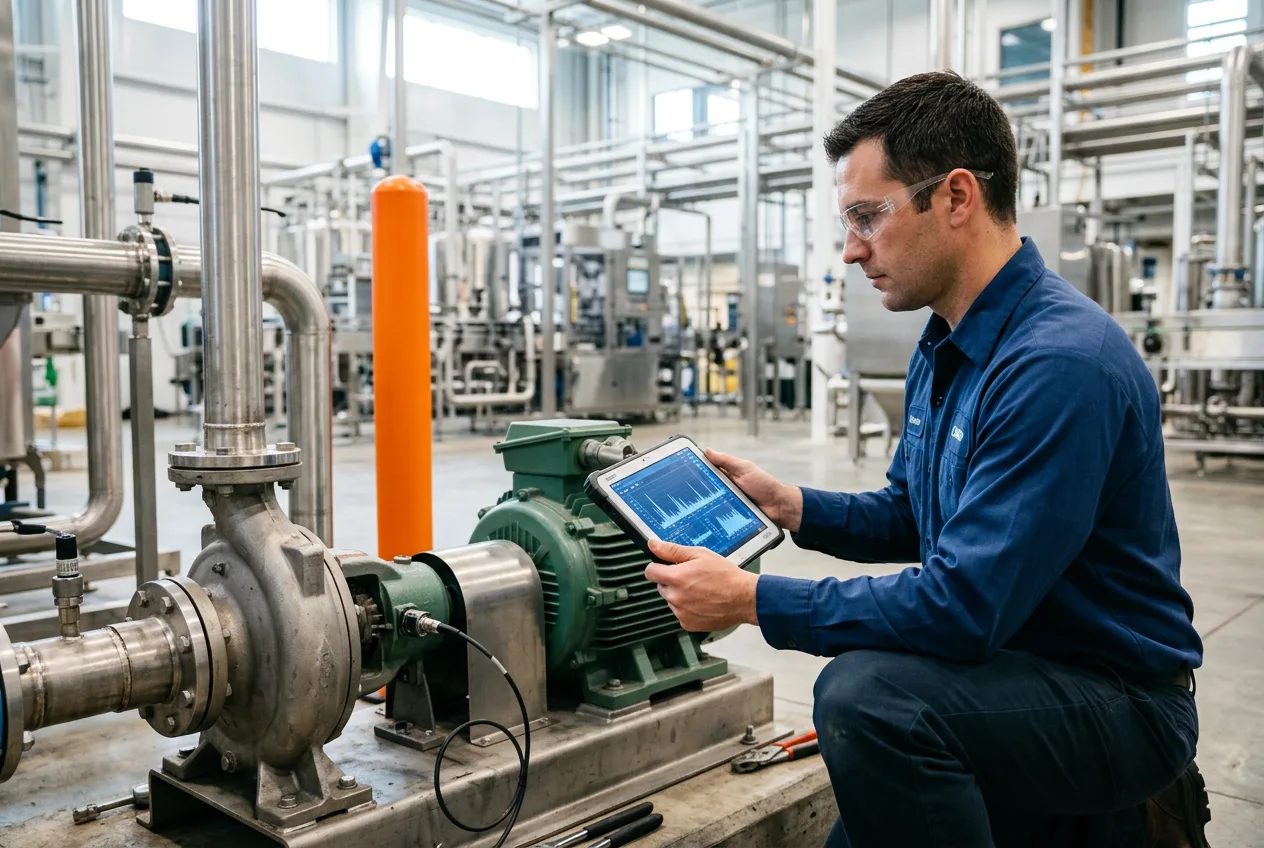
Why Reliability Hires Break Most Pipelines
Reliability engineering is not a job you can screen for with a keyword search. Half the resumes that say “reliability engineer” describe a planner-scheduler in a CMMS, and half describe an engineer who’s never owned an RCM study. Both are useful. Neither is what most plants actually mean when they post the role.
The real seat usually combines three things: data fluency across condition monitoring, deep knowledge of failure modes on rotating and fixed equipment, and the soft skill to walk into a defensive maintenance crew and shift behavior. Miss any one and the program stalls. We’ve watched plants spend nine months trying to fill that seat alone.
Our recruiters screen for the parts the resume hides. We probe Weibull comfort. We ask how a candidate would size a PM interval against a 6-month MTBF target. We check whether they can run an RCFA without turning it into a blame session. That gap is real, and it’s invisible on LinkedIn.
- 92% 12-month retention across reliability and maintenance placements.
- Technical screeners who evaluate RCM, FMEA, and Weibull, not just CMMS clicks.
- Direct network across SMRP, ARMS, and regional reliability roundtables.

Reliability Roles We Fill
We staff the full reliability org chart, from the maintenance reliability engineer who anchors the day shift to the director of reliability rolling out an enterprise APM strategy across a dozen plants. Some seats close in two weeks. Others, like Principal Reliability Engineers with a published RCM background, stretch closer to a month. We’re honest about that upfront.
Reliability & Maintenance Engineering
- Reliability Engineer (IC and Senior)
- Maintenance Reliability Engineer
- Principal / Staff Reliability Engineer
- Rotating Equipment Engineer
- Asset Reliability Engineer
Condition Monitoring & Predictive Maintenance
- Vibration Analysts (ISO 18436-2 CAT I–IV)
- Oil Analysis & Tribology Specialists
- Infrared Thermography Technicians
- Ultrasonic Inspection Technicians
- PdM Program Leads
Leadership & Program Management
- Reliability Manager and Director of Reliability
- Maintenance Manager and Plant Maintenance Engineer
- APM Program Managers (GE APM, Aveva, AspenTech)
- Quality Reliability Engineers for regulated industries
- CMMS Administrators (SAP PM, Maximo, eMaint, Fiix)
Reliability Staffing Results
Methodologies and Tooling We Evaluate
Reliability engineering lives or dies on the methodology behind it. We don’t just confirm that a candidate has “used Maximo.” We probe the framework they apply to a rotating asset with creeping vibration trends, the way they structure a postmortem on a 3 a.m. trip, and whether they can defend a recommended PM interval to a CFO who wants to cut headcount instead.
Reliability-Centered Maintenance (RCM), FMEA and FMECA, Root Cause Failure Analysis (RCFA), Weibull analysis, MTBF / MTTR / availability modeling, criticality analysis, ISO 55000 asset management.
Vibration analysis (ISO 18436-2 CAT I–IV), oil analysis and tribology (ISO 4406), infrared thermography (ITC Level I–III), ultrasonic inspection, motor current signature analysis, online condition monitoring.
SAP PM, IBM Maximo, Infor EAM, Oracle eAM, eMaint, Fiix, Limble, UpKeep, MicroMain. Configuration, master data, work order discipline, and the data hygiene that separates a usable CMMS from a digital filing cabinet.
GE APM (Meridium), Aveva Predictive Analytics, AspenTech Mtell, Bently Nevada System 1, Augury, Senseye, AVEVA PI. IIoT sensor strategy, edge gateways, and the line between dashboard theater and decisions you’d actually act on.
Lean and Six Sigma (Green and Black Belt), TPM and autonomous maintenance, 5S, defect elimination, Kepner-Tregoe, A3 thinking, OEE improvement programs. Process discipline, not just slogans.
OSHA PSM, API 580 / 581 risk-based inspection, ASME boiler and pressure vessel codes, FDA cGMP for pharma reliability programs, FERC / NERC for utility reliability. We screen for the standard, not just exposure.
Three Ways to Build Your Reliability Bench
Direct Hire
Permanent reliability engineers, maintenance leaders, and APM program managers where multi-year tenure is the priority. We handle sourcing, screening, and offer negotiation against active competing offers.
Contract Staffing
PdM technicians, vibration analysts, and reliability engineers for turnaround support, capital project ramp, or stand-up of a new condition monitoring program. Scale up without carrying permanent overhead.
Contract-to-Hire
Try the engineer on a real RCFA before you commit. Most reliability clients convert within 90 days, after they’ve seen how a candidate handles a 2 a.m. critical trip and a Monday morning recap.
Common Questions
What does a reliability engineer actually do?
A reliability engineer owns the discipline of keeping physical assets running on plan, not the heroics of firefighting them back to life. The work is part data analysis, part failure investigation, part program management. They build PM and PdM strategies, lead RCFAs after major events, defend criticality rankings to plant leadership, and tune CMMS hygiene so work orders actually reflect reality. Day to day looks calmer than the maintenance floor. Long term, it’s what makes the maintenance floor calmer.
How is reliability engineering different from maintenance engineering?
Different focus, different time horizon. Maintenance engineering owns today’s work, the schedule, the techs, the parts. Reliability engineering owns the question of why that work exists in the first place, and whether the next failure can be prevented or pushed out. Strong plants run both seats with clear handoffs. Weak plants merge them into one overworked engineer and call it cost savings, then spend the next quarter writing incident reports.
How quickly can KORE1 fill a reliability engineering role?
17 days. That’s our average across reliability and maintenance placements over the past 12 months. Vibration analysts, PdM technicians, and mid-level reliability engineers often close inside two weeks. Senior reliability engineers and APM program managers trend closer to three or four weeks, because the active pool of candidates with deep RCM authoring and live APM rollout experience is genuinely thin. We give you a realistic timeline on the intake call, not an optimistic guess.
What does it cost to hire a reliability engineer in 2026?
Mid-level reliability engineers in 2026 are running roughly $105K–$135K base in the Gulf Coast and Midwest manufacturing belts, with senior engineers and rotating equipment specialists pushing $145K–$185K. Reliability managers and APM program leads at large plants reach $175K–$220K with bonus. Numbers shift fast in oil and gas, semiconductors, and pharma. We share active offer data on the intake call, not generic survey medians that are 18 months stale by the time anyone reads them.
What certifications matter for reliability engineering candidates?
CMRP is the headline credential and the one we ask about first. CRE from ASQ matters in regulated and high-rel manufacturing. ISO 18436-2 vibration certifications (CAT I through IV) are essential for PdM seats, and ITC infrared levels are increasingly required on the thermography side. Six Sigma Black Belt is a plus for engineers who’ll lead defect elimination programs. We verify every certification before a candidate reaches your panel. No assumed credentials.
Do you staff for predictive maintenance and Industry 4.0 programs?
Yes, and that’s one of our fastest-growing reliability segments. We place PdM program leads, condition monitoring engineers, and APM analysts for clients rolling out Augury, Senseye, Bently Nevada, GE APM, Aveva, and AspenTech Mtell. The hard part isn’t finding people who’ve touched the platforms. It’s finding the engineers who can separate genuine early-warning signal from sensor noise, and who can convince a maintenance manager to act on a recommendation that doesn’t come with a smell or a vibration anyone can feel by hand.
Your Next Reliability Hire Starts Here
Tell us the asset base, the program maturity, and the timeline. We’ll tell you honestly which seat to fill first and how fast it’ll close.
Talk to a Reliability Recruiter →