
CDMO Staffing for Contract and Pharmaceutical Manufacturing
Operators, aseptic technicians, tech transfer scientists and program managers for contract development and manufacturing organizations (CDMOs) and drug plants.
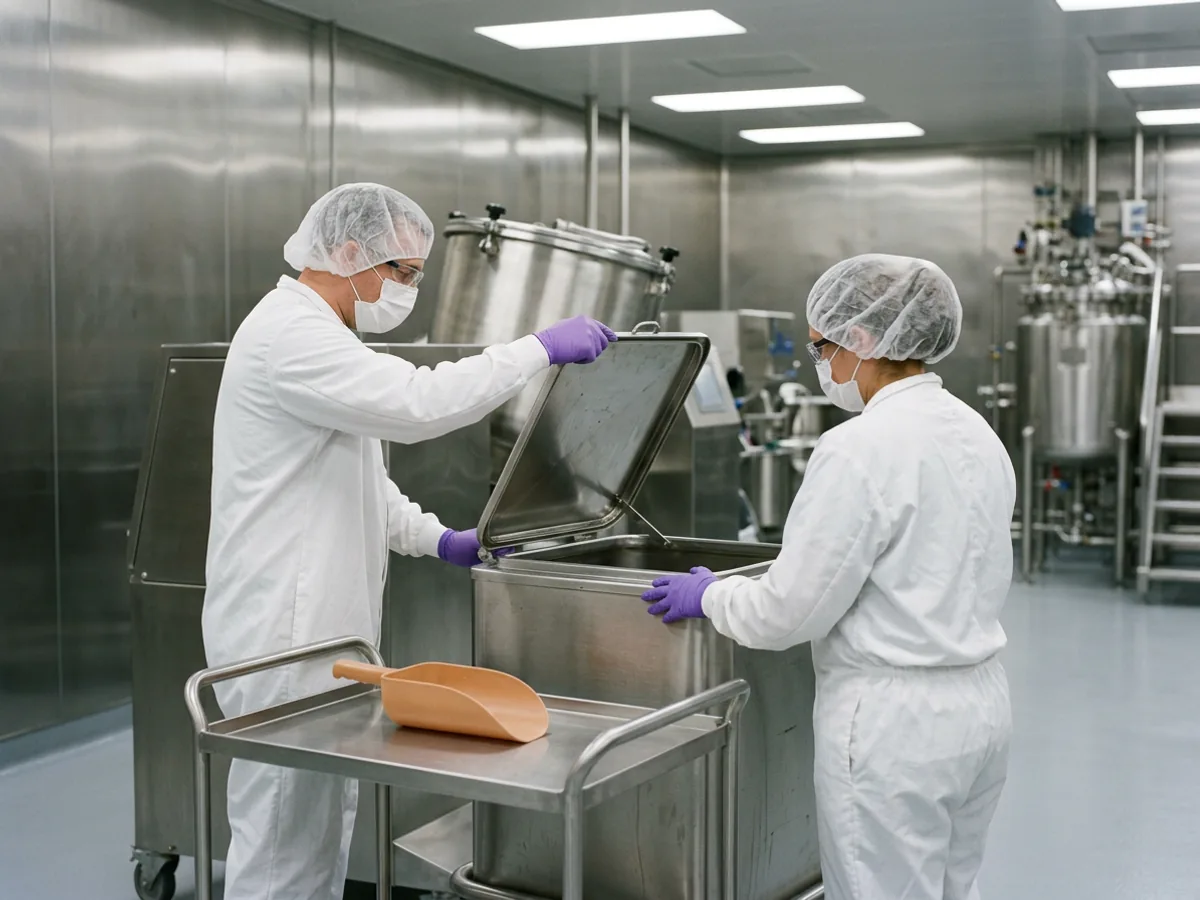
A new client just signed with your CDMO. Who do you hire first?
CDMO staffing supplies the operators, aseptic technicians, tech transfer scientists and quality staff a contract drug manufacturer needs as client programs move from transfer to commercial batches. KORE1 hires them timed to your program schedule.
Last updated: September 27, 2026
Not the operators. Not yet. The first hire is usually the scientist who can take the client’s process apart and rebuild it in your suite, because operators need a batch record to train on and that person writes it. Crew comes second.
Contract manufacturing is the topic I could talk about for an hour. I’ll keep it short. A CDMO never staffs to one product, it staffs to a book of other companies’ programs, each one arriving, scaling and sometimes leaving on the client’s timeline instead of yours.
- This desk
- Manufacturing, aseptic, tech transfer and program seats at CDMOs, contract manufacturing organizations (CMOs) and brand-owned drug plants.
- Routed elsewhere
- MES and plant-floor systems go to pharma IT staffing, QC labs to quality control staffing, and non-GMP floors to our manufacturing staffing agency.
It’s one of the desks in KORE1’s life sciences staffing group. Company-wide, 92% of the people we place make it past their first anniversary with the employer.
CDMO Staffing Runs on the Program Board
Every client program moves through the same four phases at its own pace, and each phase pulls in a different crew. Here’s an illustrative board for a two-suite site.
Program board
Illustrative · one year · two suites
Program AOral solid, new client
- TransferMS&T scientist, validation lead
- Engineering batchLead operators, method transfer in QC
- PPQThe full trained crew, quality on the floor
- CommercialSteady crew, shift supervisors
Program BSterile fill, existing client
- CommercialOne shift, gown-qualified
- Second shiftNew aseptic operators, a media fill for the shift
- CommercialTwo shifts at full headcount
- CommercialTwo shifts, next simulation due
Program CClinical supply, small client
- Clinical batchesSmall crew, flexible hours
- Clinical batchesSame crew, fewer runs
- Program endsCrew moves to Program A
- Suite openRoom for the next proposal
Read down Q3. A PPQ crew and a double-shift sterile crew are due in the same quarter, in the same building.
That column is where CDMOs get caught. FDA’s process validation guidance describes process performance qualification (PPQ) as the qualified facility and equipment plus “the trained personnel” running the commercial process. The crew is part of what gets qualified.
So hire before PPQ. Not during it. People who join after the protocol runs are joining a validated process they never trained on, and the client will ask about them at the next audit. Clients check.
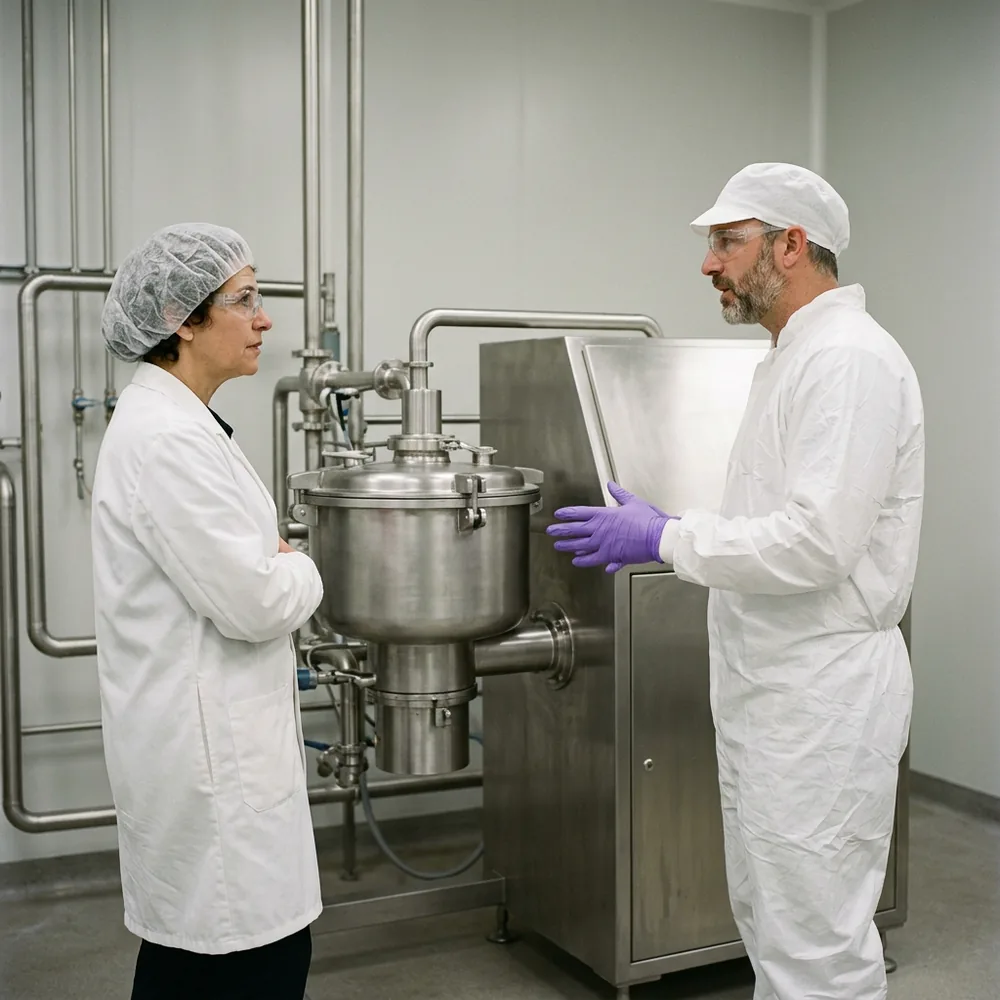
At a CDMO, the Client Owns the Process
Since 1975, FDA’s rule for contract facilities has said it plainly. Under 21 CFR 200.10(b), the agency “regards extramural facilities as an extension of the manufacturer’s own facility.” Your floor is their plant.
The international guide for active ingredients goes further. ICH Q7, section 16, gives the client the right to audit your site, and says no change to the process, equipment, test methods or specifications happens unless the client is told and approves it.
- §200.10(b)
- Your suite counts as the client’s own facility
- Q7 16.13
- The client can audit you for GMP
- Q7 16.16
- No process or method change without their approval
That changes who you hire. A good operator at a brand plant spots a better way to run a step and suggests it on Monday. At a CDMO the same instinct needs a change control the client signs, and the person who skips that step is a problem however talented they are.
We screen for it. Has the candidate worked with a client’s person in plant watching the batch? Have they sat in on a client audit? Those answers matter more at a CDMO than the equipment list does.
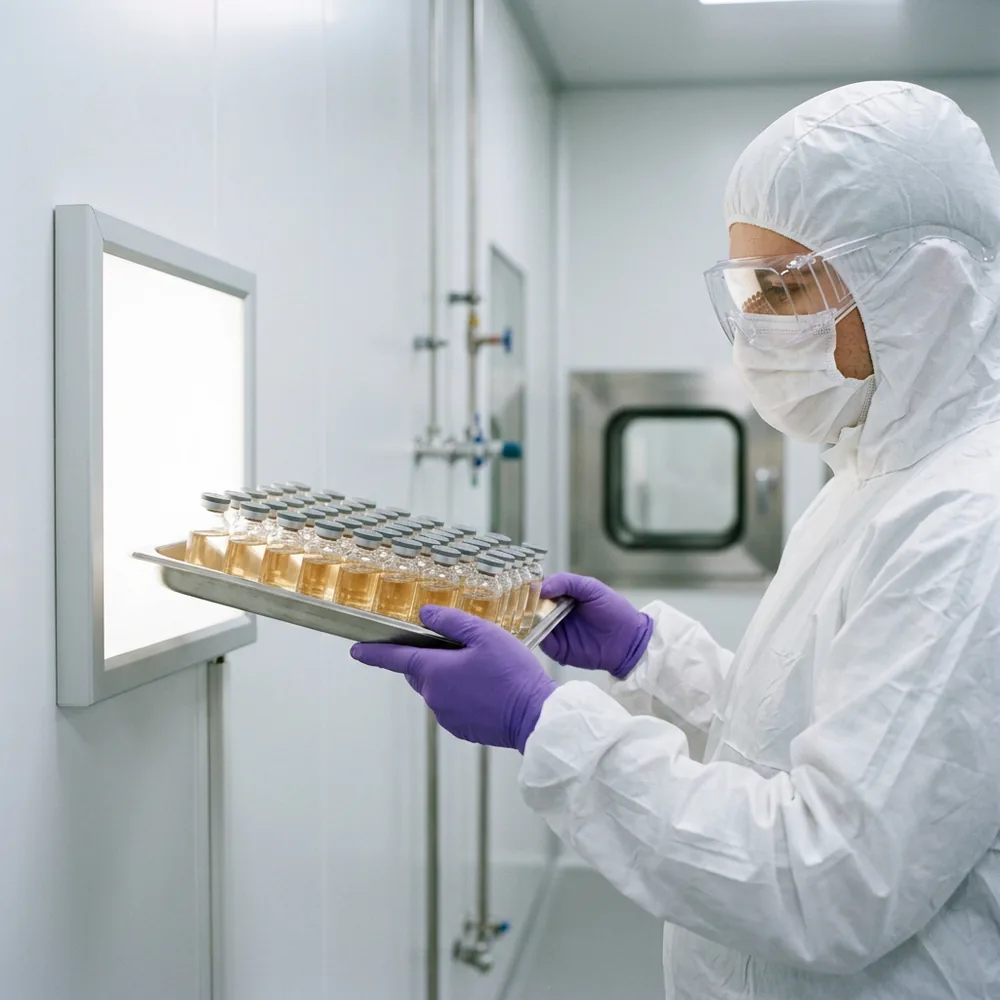
Pharmaceutical Manufacturing Staffing for Your Own Plant
Plenty of drug companies make their own product. The seats look familiar. Manufacturing associates work dispensing, granulation, compression and packaging, aseptic technicians work the sterile lines, and on any floor like that only people a supervisor has authorized can walk into limited-access areas under 21 CFR 211.28.
Sterile lines are where headcount gets tricky. EU GMP Annex 1, in force since 25 August 2023 for anyone selling sterile product into Europe, expects the maximum number of operators in a cleanroom to be set and tested during qualification and the aseptic process simulation (APS), the media fill.
More shifts or more people on the line are on its list of changes that can call for a new APS. You can’t staff a sterile line up by adding bodies. It takes a simulation.
- Gowning and aseptic trainingHygiene, microbiology basics and cleanroom behavior
- Gowning assessment passedVisual and microbial, repeated at least once a year
- A successful media fillOne every year for each operator
- Unsupervised in grade A and BOnly after both of the above
Book the new hire into the next simulation before their start date. Then ask us for the people, since a good aseptic technician who has already passed gowning at another site is still a new starter on your line and walks through all four steps again. Every one.
358,900
pharmaceutical and medicine manufacturing jobs in June 2026
1975
the year FDA made contract facilities part of the client’s own plant
2
media fills a year for each sterile line and shift under Annex 1
92%
KORE1 twelve-month retention, all desks combined
Sources: BLS Current Employment Statistics, series CES3232540001. 21 CFR 200.10, 40 FR 13996. EU GMP Annex 1, paragraph 9.38. KORE1 placement data.
The CDMO Staffing Seats Behind Every Program
Each card’s tag names the engagement that usually fits. It’s a habit, not a rule.
Contract
Manufacturing associates
Dispensing, granulation, compression and packaging hands, trained on the batch record before the engineering run.
Contract-to-hire
Aseptic operators
Fill-line technicians you can watch through gowning and a media fill before you offer the permanent job.
Direct hire
Tech transfer and MS&T
The scientist who takes a client’s process apart and writes the batch record your crew will train on.
Direct hire
Client program managers
The person the client phones, who knows the schedule, the batch status and every open deviation.
Every card lands on direct hire, a trial period that converts or plain contract staffing. A program that might leave in a year is a good reason to keep its crew on contract. A client who has been with you for a decade isn’t. Different math.
Some seats belong to other desks. Engineers who scale a process go through process engineering staffing, bench scientists through our laboratory staffing agency, the contract call on lab and plant seats is covered by our pharmaceutical staffing agency page, and permanent quality leaders by the pharmaceutical recruiters desk. A company hiring its first head of quality should read our guide to timing that first quality leader before opening the search. One call reaches them all.
Common Questions
What does CDMO staffing cover?
It hires the manufacturing, aseptic, tech transfer and program people a contract manufacturer needs, timed to when each client program needs them. KORE1 fills those seats as contract, trial-to-perm or permanent hires, and screens for client-facing GMP work as well as equipment.
Is staffing a CDMO really different from staffing a brand’s own plant?
Yes, in two ways. Demand rises and falls on other companies’ program schedules, and every hire works under a client who can audit the site and must approve changes. A brand plant hires to its own product plan. Steadier.
We just signed a client. Why not add operators the week before the first batch?
Because operators need a batch record to train on and a trained crew is part of what process qualification proves. Hire the transfer scientist when the contract is signed, the lead operators before the engineering batch, and the rest before PPQ. On a sterile line, add time for gowning and a media fill. Order matters.
Can we get recruitment support for one program instead of the whole site?
Sure. Recruitment Support is what most sites call it when they reach us, and it often means one program’s crew, hired on contract so the seats can end when the program does. If the client stays, the good people convert to permanent. Nothing is wasted.
Should contract staff run PPQ batches?
They can, if they’ll stay for commercial production. What hurts is a PPQ crew that leaves the month after the protocol closes, so we usually suggest contract-to-hire for those seats, with a start date set well before the protocol runs. Continuity is the point.
Do candidates need cleanroom experience?
For grade A and B aseptic work, it helps a lot, because gowning discipline takes time to build. Oral solid and packaging lines are more forgiving. Dosage form is the first thing we match on, then equipment, then client-facing experience.
How early should we call about a new client program?
At signature, not at the engineering batch. The transfer scientist and program manager are permanent searches that take longer than contract crews, and a sterile hire still has gowning and a media fill ahead of them. Earlier is cheaper than rushed.
Tell Us What Just Signed
Share the dosage form, the suite and the date of the first engineering batch. A KORE1 scientific recruiter will map the crew by phase and say which seats to fill first.
Let’s Connect →Expert in finding you the right talent, right away.
Prefer LinkedIn? Message Dave Manchester
