
Quality Control Staffing for Pharma and CDMOs
QC chemists, microbiologists, data reviewers and lab leads for drug makers and contract development and manufacturing organizations (CDMOs).
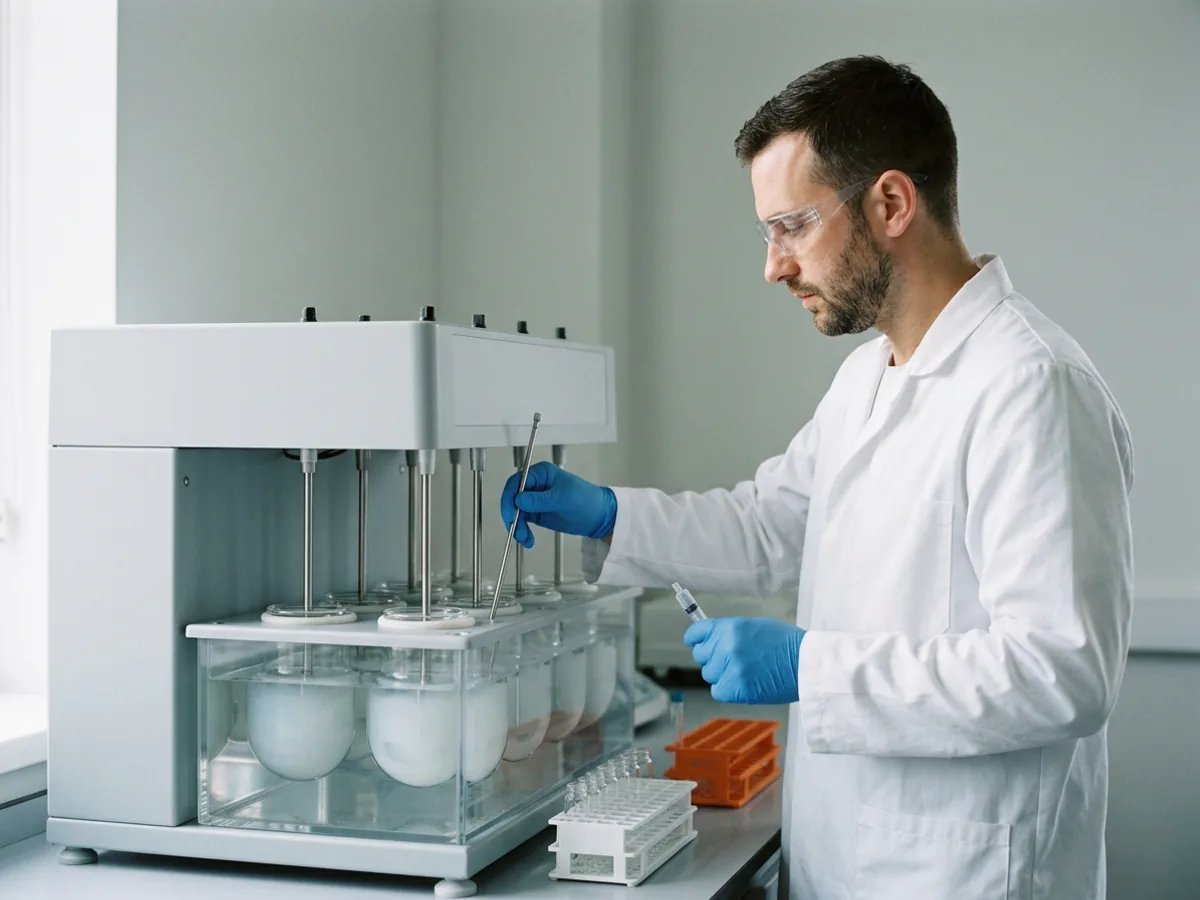
“How can I find the right Quality Control candidates for my pharmaceutical company?”
Quality control staffing fills the lab seats that test and release your product. KORE1 places QC chemists, microbiologists, data reviewers and supervisors at pharma companies and CDMOs, matched to your methods and specifications before you see a resume.
Last updated: September 25, 2026
I picture a QC manager typing that question late at night, when the bench is short and the release schedule isn’t. That’s the 2 a.m. search. It deserves a real answer.
Start with the tests. Not the titles. A QC department exists to prove each batch meets its specification before it ships, so the seats you need follow from the methods that proof depends on, and two sites can post the same “QC Analyst II” req, line for line, and still need very different people.
- This desk
- QC and GMP quality assurance seats at drug manufacturers, CDMOs and contract testing labs.
- Routed elsewhere
- Quality engineers go to quality engineering staffing, and software testers to our software testing desk.
This desk is part of the life sciences staffing agency group at KORE1. Across every desk, 92% of the people KORE1 places are still with that employer twelve months on.
Quality Control Staffing, Written Up as a Certificate of Analysis
Every released batch ships with a certificate of analysis, so here’s the department behind one in the same format, where the seat is the test, the specification is what we screen for and the reference is the part of the rule that makes the seat necessary.
Certificate of Analysis
QC chemist
Runs your assay, impurity and dissolution methods exactly as written, on the chromatography data system you already use.
§211.165(a) identity and strength
QC microbiologist
Bioburden, endotoxin and environmental monitoring, with gowning and aseptic habits that hold up when nobody is watching.
§211.165(b) objectionable microorganisms
Validation and transfer analyst
Has executed a protocol, not only followed one. Can show accuracy, precision and specificity in the data.
§211.165(e) · ICH Q2(R2)
Sample and stability coordinator
Logs, stores and pulls samples on schedule, so no test starts late and no retain goes missing.
§211.165(c) sampling plans
Data reviewer
Reads raw data and audit trails before signing, and catches the reintegrated peak nobody explained.
§211.165(d) acceptance criteria
QC supervisor
Owns the schedule, the out-of-specification investigations and the people. Has trained analysts, not only been one.
§211.165(f) rejection
Disposition · Released
QC tests the batch. GMP quality assurance reviews the record and signs the release, a separate seat that this desk fills too.
Few sites need all six. Not on day one, anyway. A company releasing a single product might run with two chemists, a supervisor who reviews data and an outside microbiology lab. The certificate grows with the product list.
So we start every QC search by asking for your specification sheet and your method list. Titles come later.
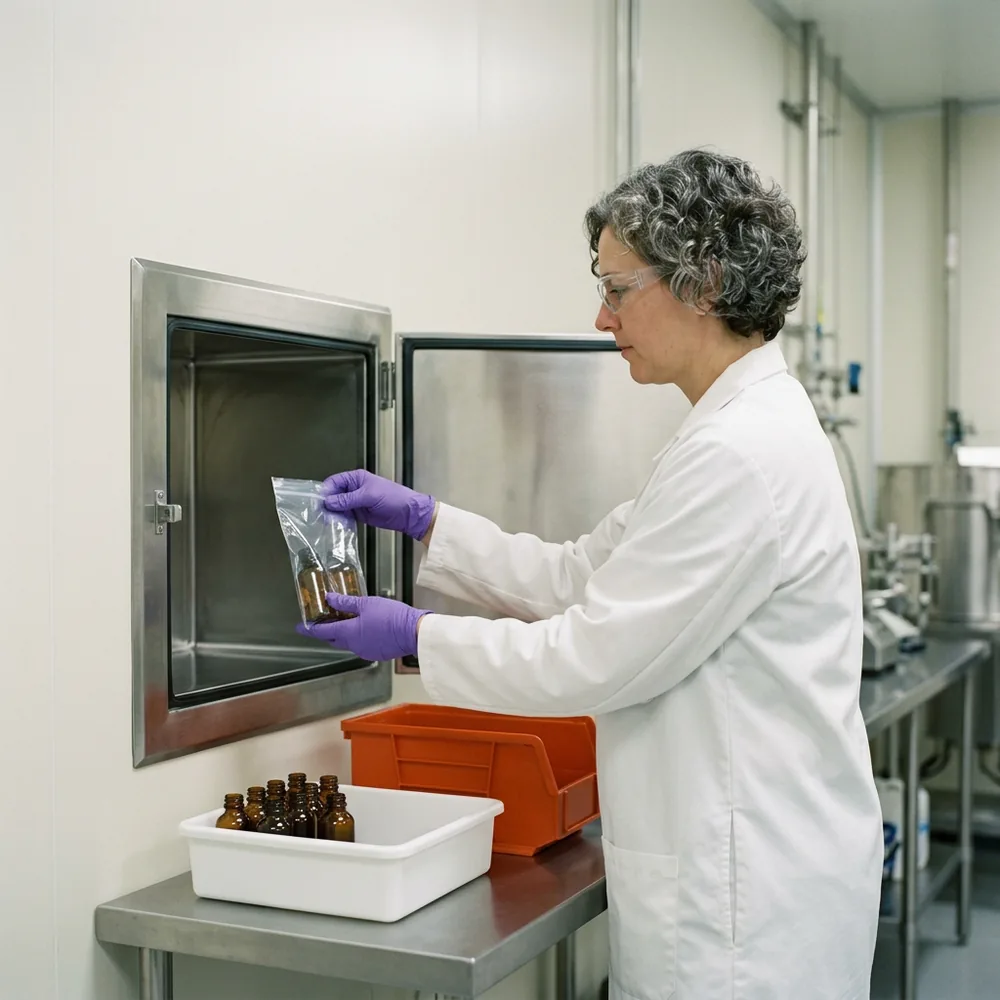
Hire the First QC Seat Around Release, Not Headcount
Under 21 CFR 211.165, no batch goes out until the lab has shown it meets its final specification, including the identity and strength of every active ingredient. Everything else supports it. So the first hire should be someone who can own it.
That’s rarely a junior analyst. It’s a lead who can write or repair a method, train the next two hires, and stand in front of an auditor when somebody questions the data. The seat above that lead is a separate call, and our guide on when to hire a director of quality covers the timing.
- A lead who owns the methodsSupervisor or senior chemist, usually a permanent hire
- Analysts matched to your busiest testsContract works well while volume settles
- A reviewer who didn’t run the testNobody signs off on their own work
Contract analysts can carry the volume while that lead is found, and our pharmaceutical staffing desk runs that contract side while the permanent lead search goes through our pharmaceutical recruiters. Two desks. One conversation.
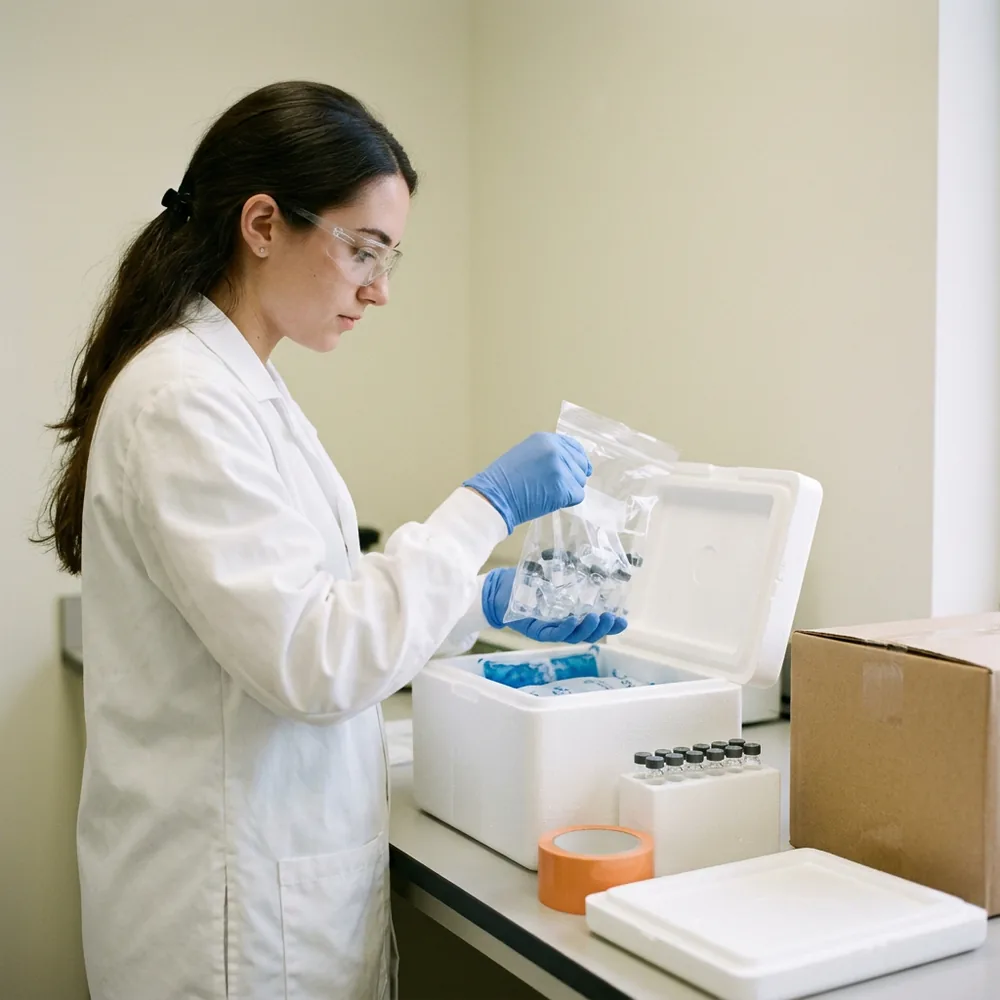
At a CDMO, the Method Belongs to the Client
A CDMO tests other companies’ products with other companies’ methods. New client, new method. And every one of those methods has to be proven in your lab, by your analysts on your instruments, before a single result they report on a client’s batch counts for anything at all.
The current rulebook for that is ICH Q2(R2), adopted by ICH in November 2023 and issued by FDA as final guidance in March 2024 alongside ICH Q14, and section 2.2 of the guideline gives a receiving lab four ways to take a validated method on board.
- Revalidation
- Partial or full, of the performance characteristics
- Comparative analysis
- Both labs test representative samples
- Co-validation
- Data generated at several sites at once
- Justified waiver
- A written case for no extra experiments
Four routes. Plenty of analysts have run a transferred method. Far fewer have written the protocol, compared the data and defended the result when the client’s auditors came through, and that’s the person a CDMO lab needs most. The manufacturing crews behind those client programs are mapped on our page about staffing a CDMO floor.
Partnering with candidates as if they are your friend and not a number.
Dave Manchester · KORE1 Scientific Recruiting
That’s how I work with QC analysts. It works. Friends tell you what they actually did on a transfer, not what the job posting said they did.
26
tasks O*NET lists for a quality control analyst
4
routes ICH Q2(R2) gives a lab taking on a transferred method
92%
of KORE1 placements still with the employer after a year
2018
the year KORE1 launched its Scientific Division
Sources: O*NET occupation 19-4099.01. ICH Q2(R2), section 2.2. KORE1 placement data.
When a Quality Control Department Calls Us
The trigger usually decides the engagement model. The tag on each card is the one that tends to fit.
Contract
A new product arrives
A transferred method needs trained hands for validation runs before the first commercial batch.
Contract
Results wait on review
Tested samples sit unreleased because nobody independent of the analyst is free to check the data.
Contract-to-hire
A second shift starts
New shift analysts you’d rather watch on your own instruments before making the job permanent.
Direct hire
The supervisor gives notice
A lead who owns the methods, the investigations and the training, hired to stay for years.
Each one maps to contract staffing, direct hire or, between the two, contract-to-hire. If you’re still pricing the seat, the QC analyst pay guide has the numbers, and our job description template for QC analysts gives you a posting to edit. For the line between the two departments, read how QC and GMP quality assurance differ.
Not every opening lands here. Patient-testing labs work with our clinical lab staffing team, research benches with the laboratory staffing agency, and the people who validate your LIMS and lab software with life sciences IT staffing. One call covers it.
Common Questions
What does a quality control staffing agency do?
It finds and screens the people who test your components, in-process material and finished batches before release. KORE1 does that for pharma companies and CDMOs, for short contract cover, a contract-to-hire trial or a permanent seat, and matches every candidate to your method list before the first interview is ever scheduled. Methods first, resumes second.
Which QC role should a small drug company hire first?
Usually a lead analyst who can own your release methods. That person trains the next hires, repairs methods that drift and answers an auditor’s questions about the data. Juniors come later. Somebody has to train them.
Is a CDMO analyst different from one at a brand company?
Often, yes. A CDMO analyst may run many clients’ methods in a year and has usually lived through several transfers and client audits, while an analyst at a brand company tends to know fewer products in much more depth. Both are good hires. For the right lab.
What does a QC analyst cost?
$78,350 is the May 2025 median for QC analysts at drug and medicine manufacturers, according to the Bureau of Labor Statistics. Microbiology, a sterile site or a big metro moves it up or down from there, depending on the bench and the shift, and the salary guide for QC analysts splits it by level and city.
Can one person cover QC and GMP quality assurance?
At a very small site, sometimes, because the regulation asks for a quality unit with the power to accept or reject material, not a set headcount. What it won’t accept is someone checking their own work, so a second qualified reviewer has to exist somewhere, even if it’s a contractor. Two sets of eyes. Always.
How do you check a QC candidate’s lab experience?
We ask which methods they’ve run, on which instruments, and whether they wrote any of the protocols, then hold the answers against your method list. A chemist who has only run someone else’s validated assay is a different hire from the one who validated it. We ask. Every time.
What if we only need someone for a few months?
Then it’s a contract seat, the usual way sites cover a method transfer or a testing backlog. The analyst is on KORE1’s payroll and trained on your SOPs. If they turn out to be the person you want long term, contract-to-hire lets you convert them.
Send Us Your Method List
Tell us what you release, what’s transferring in and who you’ve lost. You’ll hear from a KORE1 scientific recruiter with the seats to fill first and what each should pay.
Let’s Connect →Or reach Dave Manchester on LinkedIn
