
Last updated: July 3, 2026
Reshoring Engineering Jobs 2026: Which Roles & Where
By Gregg Flecke
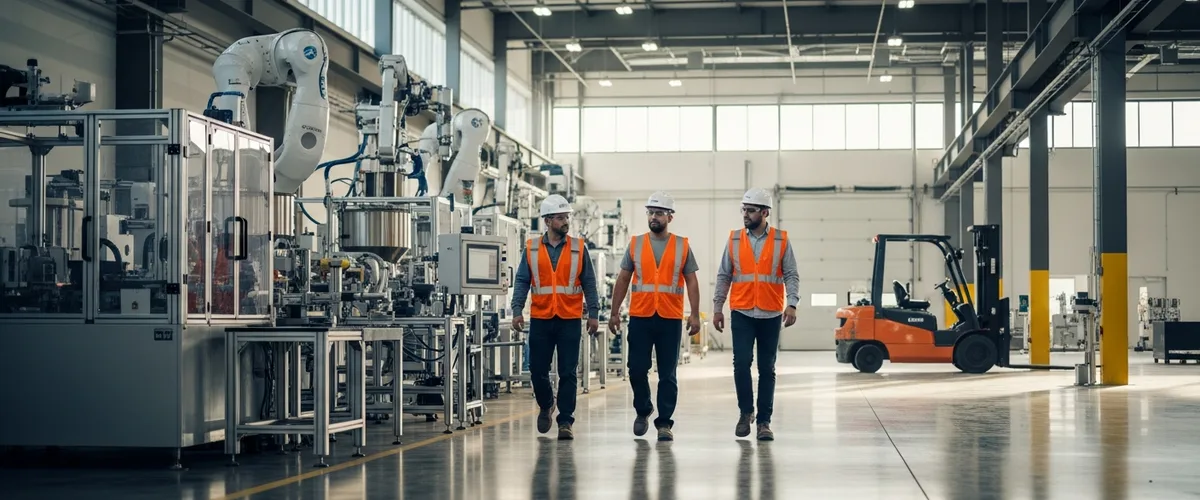
Reshoring brought 244,000 announced manufacturing jobs into the US in 2024, and the bottleneck has shifted to engineering, with controls, manufacturing process, mechanical, electrical, and quality engineers in shortest supply across Texas, Arizona, Ohio, Georgia, and the Carolinas. Most of those jobs were classified as high-tech or medium-high-tech production by the Reshoring Initiative’s 2024 Annual Report, which is the polite way of saying the new plants do not need many bodies, they need brains. The rest of this post breaks down which engineering titles are pulling the most requisitions, what the 2026 comp bands actually look like, and which states are seeing the deepest hiring backlogs.
Gregg Flecke at KORE1, almost three decades placing technical talent across financial services, insurance, HR outsourcing, healthcare, and increasingly the engineering side of advanced manufacturing. I came up watching enterprise IT struggle through Y2K, the offshoring wave, the cyber shortage, then the cloud build-out. Reshoring engineering hiring feels like another one of those moments. Same shape. Same time pressure. Different titles on the reqs. We staff into reshored facilities through our engineering staffing agency practice, and there is a placement fee when we close a hire, so read this with that on the table.
I am going to skip the policy debate. That argument is settled enough for hiring purposes. The CHIPS Act money is flowing. The IRA credits are flowing. The construction is happening. The 2024 numbers say so, and the 2025 announcement queue is bigger than 2024 was.
What still gets argued, on intake calls, on Friday afternoons, on the phone with operations VPs who can hear the project clock ticking, is the engineering side. Where do we find the people? Which titles? At what comp band? In which states? Do we wait for graduates or do we move displaced engineers from elsewhere?
That is what this is.
The Roles Reshoring Is Actually Pulling
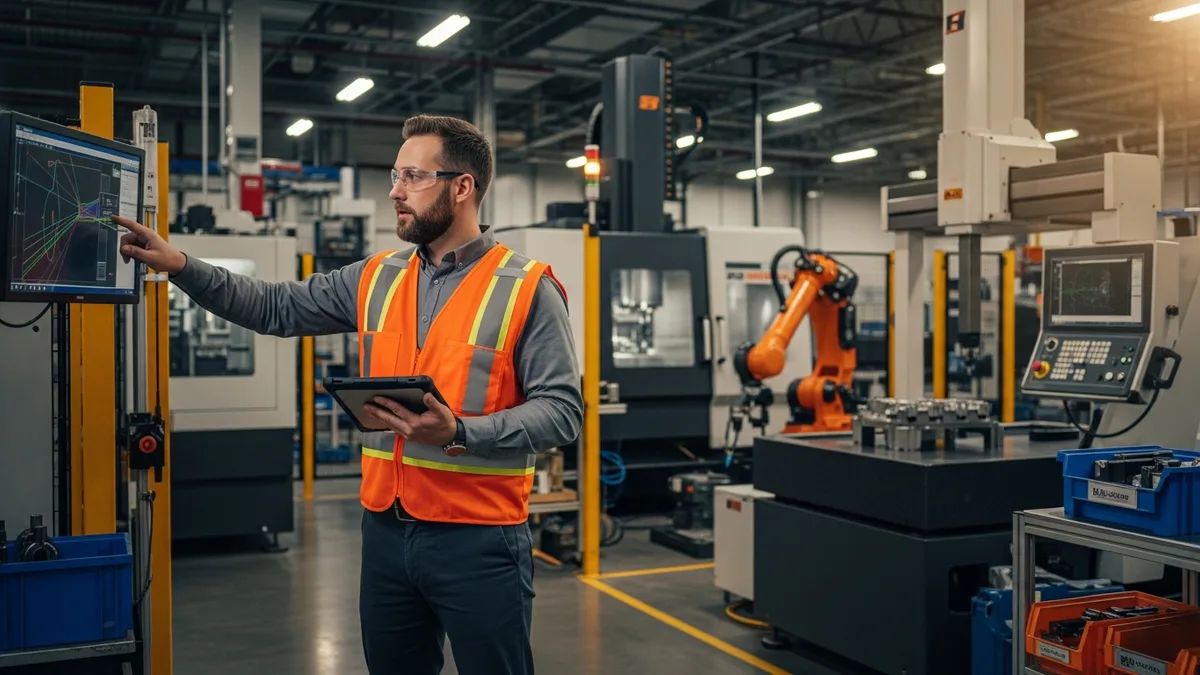
The pillar piece I wrote earlier this year, Reshoring in 2026: Why Manufacturing Jobs Are Coming Back to the US, covered the macro trajectory. Construction spending. Sector mix. Federal incentives. Read that if you want the why. If you are still deciding whether to build closer to home at all, our guide on nearshoring vs offshoring maps the tradeoffs. What follows is the who.
This list is ordered by open-req volume across our engineering desk between Q4 2025 and the first ten days of May 2026. Comp ranges blend BLS May 2024 medians, two to three salary aggregators per role, and our own placed-base where the count is large enough to anchor anything.
| Engineering Role | 2026 Comp Band (Base) | Reshoring Demand Driver | BLS Outlook |
|---|---|---|---|
| Manufacturing / Process Engineer | $78,000 to $125,000 | Every greenfield facility needs process design from a blank sheet | Strong, tied to 9% industrial growth through 2034 |
| Controls / Automation Engineer | $85,000 to $138,000 | Reshored plants are automation-first from day one | Very strong, PLC and SCADA depth scarce |
| Mechanical Engineer (Plant) | $78,000 to $130,000 | Equipment design, tooling, facility layout | 9% through 2034, 18,100 annual openings |
| Electrical Engineer (Power & Plant) | $92,000 to $155,000 | Plant electrification, fab power systems, EV battery lines | $111,910 BLS median |
| Quality Engineer | $72,000 to $115,000 | First-article inspection, supplier qualification on reshored supply chains | Moderate, but heavy in semis and medical device |
| Industrial Engineer | $70,000 to $120,000 | Line balancing, lean rollout, throughput on new lines | Strong, tracked to 12% growth through 2034 |
| Process Safety / EHS Engineer | $85,000 to $135,000 | New chem, battery, and semi fabs need PSM coverage from commissioning | Steady, deeply specialized |
| Mechatronics / Robotics Engineer | $90,000 to $145,000 | Collaborative robot integration, machine vision, IoT cells | Very strong, pool small |
| Supply Chain / Logistics Engineer | $80,000 to $130,000 | Inbound logistics redesign as Tier 2 and Tier 3 suppliers reshore | Strong, MES and ERP background a plus |
| Semiconductor Process Engineer | $110,000 to $180,000 | TSMC AZ, Intel Ohio, Micron NY, GlobalFoundries Malta | Very strong, fab-specific experience pays a premium |
Two patterns inside the table that matter more than any single row.
First, the band on every one of these roles widens as you move toward sectors with the lowest unemployment for their specialty. A controls engineer who can walk into a brownfield reshored facility and rewrite the PLC logic on an Allen-Bradley CompactLogix stack while keeping an existing Wonderware HMI alive will routinely pull the top of the band, sometimes 15 to 20 percent above it. A controls engineer whose last decade was on a single OEM stack inside one plant will land closer to the bottom. Same job code. Different markets inside that code.
Second, the semiconductor-specific rows are running their own labor market. A process engineer with seven years on EUV lithography or thin-film deposition is essentially uncoupled from the broader manufacturing engineering wage curve. Those candidates are being bid up by the fabs against each other.
Where the Reshored Jobs Actually Land
Candidates ask me this on roughly every other intake call when they are weighing whether the relocation is worth it, and the answer matters as much for hiring managers building a pipeline as it does for the engineer considering the move, because relocation packages on reshored projects in 2026 are unusually generous partly because some of these facilities sit in markets with thin engineering talent pools to draw from locally.
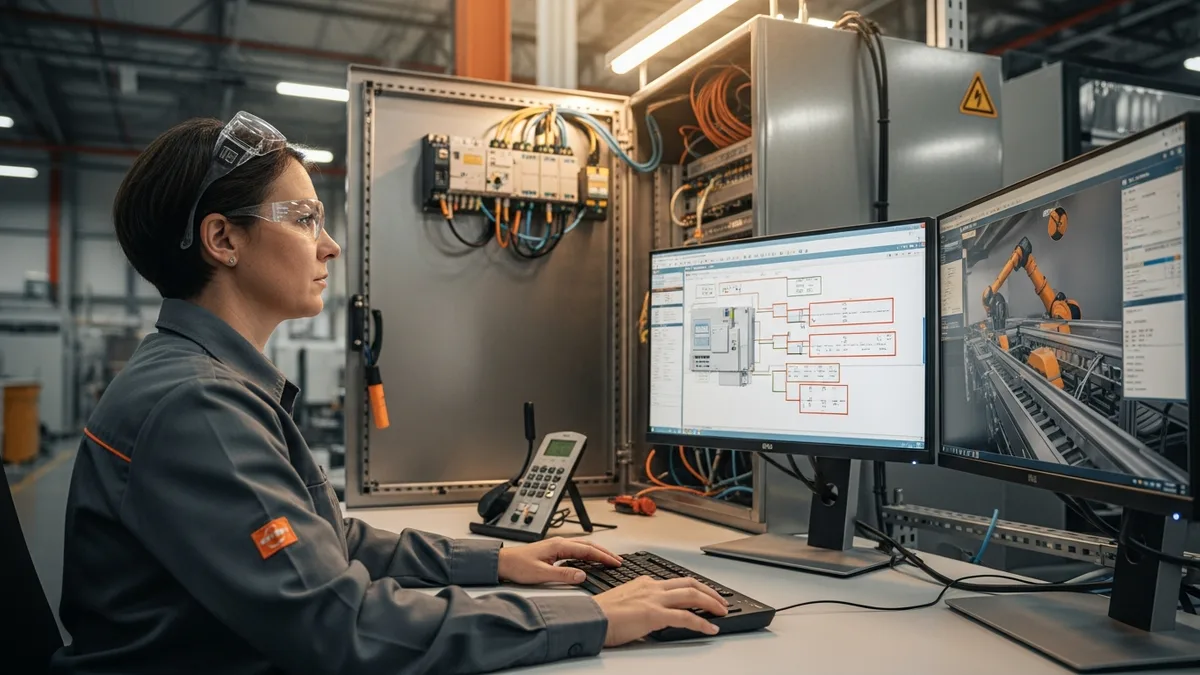
The eight states below account for roughly 70 percent of announced reshoring and foreign direct investment jobs in our placement data. The Reshoring Initiative tracks state-level totals in its 2024 Annual Report, and the broader investment story tracks pretty cleanly against the Atlantic Council’s manufacturing construction figures.
| State | Anchor Projects (Public) | Engineering Pull |
|---|---|---|
| Texas | Samsung Taylor fab, Texas Instruments Sherman, Tesla Austin gigacasting expansion | Semi process, electrical, controls, automation |
| Arizona | TSMC Phoenix, Intel Ocotillo expansion, LG Energy Queen Creek | Semi process, equipment maintenance, EHS, facilities |
| Ohio | Intel New Albany (Ohio One), Honda LG Energy battery JV in Jeffersonville | Semi process, mechanical, controls, process safety |
| Georgia | Hyundai Metaplant Ellabell, SK Battery Commerce, Rivian Stanton Springs | Manufacturing, quality, mechatronics, supply chain |
| North Carolina | Wolfspeed Chatham County, VinFast Chatham, Toyota Liberty battery plant | Power electronics, materials, process, EE |
| South Carolina | BMW Plant Spartanburg expansion, Scout Motors Blythewood, Envision AESC | Mechanical, controls, manufacturing engineering |
| Michigan | Ford Marshall BlueOval, GM Ultium Cells II, Hemlock Semiconductor expansion | Battery process, electrical, quality, automation |
| New York | Micron Clay (Onondaga County), GlobalFoundries Malta expansion, GE Schenectady | Semi process, equipment, facilities, electrical |
A handful of these projects deserve a closer look because the hiring curve is unusually steep.
TSMC Phoenix is the most visible. Fab 21 is operational, Fab 2 is ramping, Fab 3 is announced. Process engineers, equipment engineers, and facilities specialists with semiconductor experience have been moving across the country to get there for the better part of three years, and the wage curve in Maricopa County reflects it. We have had Texas Instruments and Intel candidates take the call simply because TSMC was hiring on the same week they were being recruited.
Hyundai Metaplant in Ellabell, Georgia is producing IONIQ vehicles now. The ramp includes a co-located battery JV with LG Energy Solution. The cluster pulled manufacturing, controls, and quality engineers from a fifty-mile radius first, then from Atlanta, then from outside the state. Relocation packages running well into five figures.
Micron in Clay, New York is the long horizon. The full Onondaga County buildout will run a decade or more. Some of the early process-development hires have been pulling from Boise and Manassas, and from the Albany-area GlobalFoundries footprint just up I-90. The competition for fab process engineers within the I-90 corridor of upstate New York is now genuine.
Why These Roles Are So Hard to Fill
Three structural reasons, and a fourth one nobody likes to talk about.
The retirement wave is real and it hit reshoring directly. The boomer generation of plant-floor engineering, the people who actually remembered how to commission a line from scratch instead of supervising one already running, has been retiring on schedule since around 2018. Twenty years ago, every greenfield team had a senior process engineer in his late fifties as the technical anchor. Those anchors are leaving the workforce faster than they are being replaced.
The university pipeline has been weak for manufacturing for two decades. ABET-accredited mechanical and electrical programs still produce healthy graduate counts, but the share of new grads going directly into plant-floor manufacturing has been declining since the early 2000s. Most go into product engineering, software-adjacent roles, or consulting. Manufacturing engineering is a recovering category, not a thriving one. Industrial engineering is in slightly better shape but the pool was never large to begin with.
PLC and SCADA expertise lives outside formal credentialing. The senior controls engineers who can rewrite ladder logic on an Allen-Bradley ControlLogix while keeping a Siemens TIA Portal system running on an adjacent line learned that on the job. There is no degree program for it. The pool is what it is, and the new fabs are pulling from the same pool the older plants need to keep their lines running. Replacement risk for the older facilities is not zero.
The fourth one. The plants are not always where the engineers want to live. We have closed several searches in markets like Ellabell, Marshall, Liberty, or Clay where the candidate’s family considerations were as much a factor as the comp. Spousal employment, school districts, healthcare access, distance to a major airport. None of that is visible on the req. All of it shows up at offer-accept.

What Hiring Managers Keep Getting Wrong
I will name three because I have seen each of them slow down a reshored facility’s hiring inside the last six months.
Anchoring on the old job description. The plant manager pulls the JD from the last similar hire, which was probably in 2019, and tries to re-run it. The salary band is now twenty-five percent low. The required experience description does not mention automation depth that has become standard. The relocation package was written for a market where one existed; this one is in a market where none did. Refusing to update the JD before it goes live costs four to six weeks every time.
Treating cleared and non-cleared candidates as interchangeable. Some of the reshoring is happening inside defense-adjacent supply chains, especially in power systems, materials, and semiconductor packaging for military programs. A candidate who is cleared at Secret or above is a small fraction of the engineering pool and commands a premium. Pretending otherwise on the req means the search produces uncleared resumes, the team interviews them, and the offer round dies when the security paperwork comes up.
Asking for unicorns to skip the training step. A reshored facility wants a controls engineer who already knows the specific OEM stack the new line will use, who has commissioned a plant before, who can also write SCADA from scratch, who has a Six Sigma background, and who will move to a rural market for the offered comp. That candidate exists. There are maybe eleven of them. Eight of them already have a job offer. The question worth asking is which of those requirements can be developed in the first six months of the role versus which one is genuinely day-one critical.
What Actually Works When You Need to Hire Fast
Recruiter hat goes on for this section. Fair warning. The five moves below are the ones I see closing reshored engineering searches in eight to fourteen weeks instead of the six-to-eight months that a stalled requisition tends to drift toward when the comp band is stale and the must-have list never gets revisited.
| Move | Why It Works |
|---|---|
| Lock the comp band against May 2026 data, not May 2024 data | Stops the offer round from collapsing on candidates who have already had three other conversations this month |
| Decide upfront which 2 of 5 must-haves can be developed in role | Doubles or triples the qualified pool without lowering quality |
| Use contract-to-hire for early ramp engineers (line 1 commissioning) when the head count is still soft | Gets bodies on the floor before the FTE budget is finalized, with conversion paths |
| Write the relocation package into the offer, not the negotiation | The candidate’s spouse decides before the offer letter, not after |
| Tap the displaced talent from aerospace and legacy auto first | Boeing’s restructuring put process and quality engineers into the open market who are a 70 to 80 percent fit for reshored manufacturing |
That last row deserves a sentence on its own, because it is the one most often missed in conversations with hiring managers who are still recruiting against the talent map of the late 2010s and have not yet processed what happened to the aerospace labor pool over the eighteen months between October 2024 and the early part of 2026. The Boeing reduction, the legacy Big Three tooling consolidations, and the consolidation at Spirit AeroSystems put hundreds of process, quality, and manufacturing engineers into a market that was already short. We covered that pool in detail in our engineering staffing analysis and in a companion piece on Boeing specifically. It is a real lever for reshoring, and it is finite.
How KORE1’s Engineering Desk Approaches a Reshoring Search
I will not pretend our process is magic. It is just the same process we have run for nearly twenty years, applied to a labor market that has finally aligned with our recruiter benches.
We staff engineering for reshored manufacturing through our engineering staffing agency practice. Our mechanical engineering staffing, electrical engineering staffing, manufacturing engineering staffing, industrial engineering staffing, controls engineer staffing, and aerospace engineering staffing teams overlap heavily on this work because the candidates do not respect the org chart. A process engineer with eleven years at Lockheed and a Six Sigma Black Belt is not going to care which sub-vertical owns the req on our side. The client will not either.
The desk runs across thirty-plus U.S. metros. Our recruiter bench averages more than fifteen years of experience inside engineering placements. Twelve-month retention on direct hires sits at ninety-two percent across our placed base, and the average time-to-hire on IT roles holds at seventeen days, which is a useful benchmark for hiring managers gauging what is realistic on the engineering side when the comp band is current and the must-haves are honest.
If your facility is in commissioning, or the construction schedule is locking in a hiring deadline, the next move is a conversation. Reach out to our team and we will route the req to the right desk. If the comp band on the role still needs to be defended internally, our salary benchmark assistant will get you a defensible number in about three minutes. Most clients combine both. The benchmark gets the budget approved. The conversation gets the search moving.
One more thing on engagement model. For early-ramp engineering hires where the FTE budget is still being defended, our contract staffing and direct hire staffing tracks both run alongside the same recruiter pool. Most reshored facilities open with a few contract roles to validate the work and convert the strongest performers into FTE conversions inside six months.
Common Questions From Hiring Managers Pricing Out Their First Reshored Plant
Realistically, how fast can a process engineer search close in 2026?
Three to eight weeks for most reshored manufacturing process engineer searches if the comp band is current and the JD is honest about the must-haves. Semiconductor-specific roles take longer. Searches with a hard rural-relocation requirement run twelve to sixteen weeks unless the relocation package is unusually generous from the first conversation.
Are reshored facility offers actually higher than legacy plants?
Yes, by roughly eight to fifteen percent on base, and meaningfully higher on relocation and sign-on. The premium is partly a market correction and partly a recognition that the candidate is taking a bet on a facility that may still be in commissioning when they start. We see the premium widen further when the plant is in a market with no comparable employer within commuting distance.
Which states have the most reshoring engineering openings right now?
An eight-state cluster accounts for the bulk of the reshoring engineering volume our desk sees: Texas, Arizona, Ohio, Georgia, Michigan, North Carolina, South Carolina, and New York. The group lines up cleanly with the public anchor-project list and with the Reshoring Initiative’s state-level totals for 2024.
Should I hire contract-to-hire or direct for the first wave of engineers?
Contract-to-hire works well for line one commissioning where the head-count plan is still being defended internally and the work is bounded. Direct hire is the better path for plant leadership, controls anchors, and process engineering managers whose authority and continuity matter from day one. Most reshored plants we have staffed use both.
Do I need a cleared candidate for my reshored facility?
Only if the work is genuinely defense-adjacent. Some battery, power systems, and semiconductor packaging programs carry ITAR or DoD-tied requirements that force the clearance question, and in those cases the pool shrinks meaningfully and the comp premium runs ten to twenty percent above the equivalent uncleared role. Most consumer-facing reshored manufacturing does not need a clearance at all.
What about the candidate’s family considerations on a relocation?
More important than most hiring managers realize, and the single most common offer-accept failure point we see in rural reshoring markets. Spousal employment, school choice, healthcare access, and airport distance all show up after the offer letter goes out. The fix is to surface those factors during the second interview, not to wait for the candidate to raise them.
How does the displaced Boeing or auto engineer pool fit into this?
A real and immediate lever, especially for process, quality, and manufacturing engineering roles where 70 to 80 percent of the work translates. Aerospace process discipline maps cleanly onto reshored advanced manufacturing once the candidate has spent eight to twelve weeks getting fluent in the new sector’s vocabulary. Several of our reshored placements in 2025 came directly from the displaced aerospace pool.
What is the realistic 2026 outlook for reshoring engineering hiring?
Sustained. The 2024 announcement queue was 244,000 jobs, the 2025 queue tracked above that, and the federally supported construction projects already broken ground will keep pulling engineering reqs through at least 2028. The shape of the curve will keep moving from announcement-driven to commissioning-driven, which means more controls, more process, more quality, and proportionally less greenfield design.
The Short Version
Plants are going up faster than the engineers to run them. Controls, manufacturing process, mechanical, electrical, quality, industrial, mechatronics, and process safety engineers are the titles taking the most heat. The geography is concentrated, with the Texas semi corridor, the Arizona fab cluster around Phoenix, Intel and Honda LG in Ohio, Hyundai and SK in Georgia, the Carolina battery and EV anchors, Ford and GM in Michigan, and the Micron and GlobalFoundries footprint in upstate New York doing most of the pulling. The displaced aerospace and legacy auto pools are a real but finite lever. The hiring managers who win the search are the ones who price to 2026 data, decide which must-haves can be developed in role, write relocation into the offer instead of the negotiation, and start the search before the construction schedule locks them in.
If any of that lines up with where you are right now, a conversation with our engineering desk is the cheapest move available.
