
Last updated: July 7, 2026
Engineering Staffing in Washington, DC
KORE1 places aerospace, systems, electrical, civil, and mechanical engineers across Northern Virginia, the Maryland suburbs, and the District, cleared and commercial alike. The best engineers here answer to a program, not a job board. We reach them anyway.

KORE1 is an engineering staffing agency in Washington, DC that places aerospace, systems, electrical, mechanical, and civil engineers across Northern Virginia, the Maryland suburbs, and the District, including cleared talent, with most searches filling in 14 to 28 days.
DC engineering is not one market. It is a federal town wrapped around a defense town wrapped around an infrastructure town, and each one hires differently. A cleared systems engineer on a radar program in Chantilly, a structural engineer detailing a Metro station box under the District, a process engineer scaling a therapy on the I-270 biotech corridor. Same region, three separate networks, and a general recruiter tends to treat all of them as one line on a req.
We do not. A specialized engineering staffing agency reads the DC metro for what it actually runs on, which is programs, clearances, and deadlines that answer to Congress. KORE1 has spent more than 20 years building engineering teams, and we know that the person who fits a Reston program office looks nothing like the person who fits a Rockville lab, even when the title matches.
Here is the part most firms miss. The engineer you want already has a badge and a schedule. They are not scrolling listings between meetings. The mass recruiter note lands in an inbox they check twice a month, if that. We built our pipeline to reach those people directly, because in this metro that is the entire job.
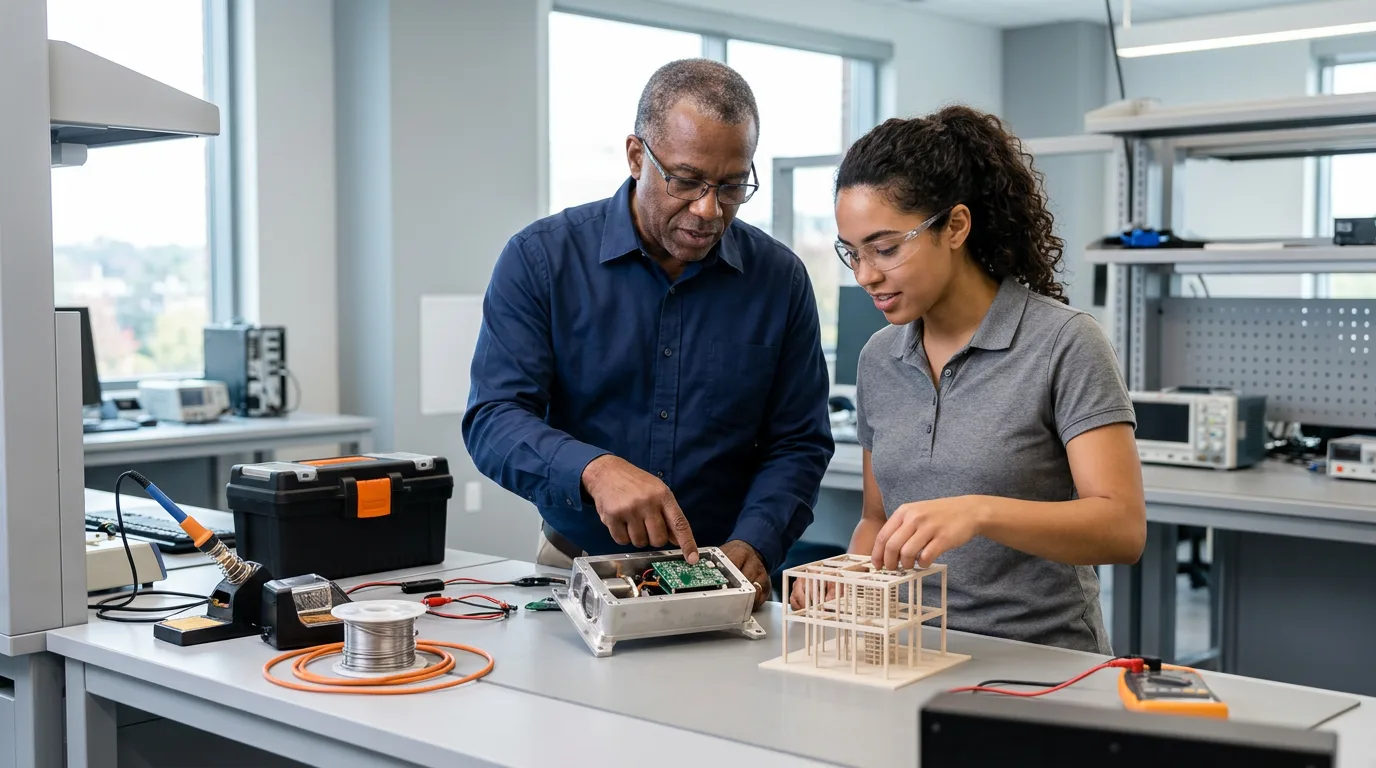
Engineering Roles We Staff Across the DC Metro
The capital region hires the full width of engineering, and it leans hard toward the disciplines that keep programs and infrastructure moving. The U.S. Bureau of Labor Statistics projects steady national demand for aerospace engineers, electrical and electronics engineers, and civil engineers, and the DC metro runs hotter than average across cleared defense and federal infrastructure work.
- Aerospace and defense engineers for the radar, sensor, guidance, and space-system programs that anchor the region, much of it needing an active clearance
- Electrical, RF, and signals engineers across analog, mixed-signal, and the high-frequency work behind comms, radar, and SIGINT platforms
- Embedded systems engineers for the flight, weapons, and ground-station firmware that has to work the first time and every time after, and embedded software engineers for the RTOS and Linux layer sitting on top of it
- Civil and structural engineers for the transit, bridge, and federal-building work reshaping the District and the inner suburbs
- Mechanical and MEP engineers for the HVAC, thermal, and building-systems work behind federal facilities and secure data halls
- Network and infrastructure engineers for the defense comms and the Ashburn data-center corridor that quietly carries a third of the internet
- Power systems engineers for the grid, substation, and data-center power work the region cannot build fast enough
Systems and integration engineers tie all of it together, and we staff that program-level tier too. Need a contractor for a surge on a program ramp? Done it plenty. Want a direct hire to hold a design lead for the long haul? Placed dozens. If contract staffing fits the funding cycle better, that works too. Same screening either way.

How We Reach Cleared and Credentialed DC Engineers
The engineer you need is already on a program. They have a badge, a deadline, and a manager who would rather not lose them. And every week three recruiters they have never met send the same note about an unnamed client. It gets deleted.
We built our network the slow way. Two decades in the engineering community, a steady pipeline out of programs like Virginia Tech, the University of Maryland, George Mason, and the Naval Academy, and referrals from engineers we placed years ago who now run teams of their own. So when you need a cleared RF engineer who has actually shipped hardware, or a structural lead who can survive a federal review cycle, we are not cold-calling a resume. We are calling someone who already trusts us.
Clearances change the math, and we know it cold. A TS/SCI with a current poly is worth more than a line on a resume, so we screen for clearance level, currency, and the program history a role actually requires before anyone gets to an interview. A candidate who reads perfect but cannot get read onto the program is a wasted month, and we do not do that to a hiring manager.
We also move at the pace the market demands. Cleared and senior engineers come off the board in days here, not weeks. Most of our DC metro engineering searches close in 14 to 28 days from kickoff, with the adjudication-heavy ones running the long end, and the placements hold. 92 percent are still in seat a year later. That number is what happens when you screen for fit instead of speed, whether the role is a permanent hire or a contract-to-hire you want to watch first.
If the req sits on the security side of the org chart rather than the engineering side, our dedicated Washington DC cybersecurity staffing page covers that specialty on its own.
Years Placing Engineers
Engineering Placements
Day Average Fill Time
12-Month Retention
One Discipline, a Different DC in Every Node
In this metro, what you build and what clearance you hold are the same question. The same title means different work depending on which exit off the Beltway it sits near. Here is how each discipline maps to where it actually happens, and what it usually takes to get in the door.
Engineering Hubs We Cover Across the DC Metro
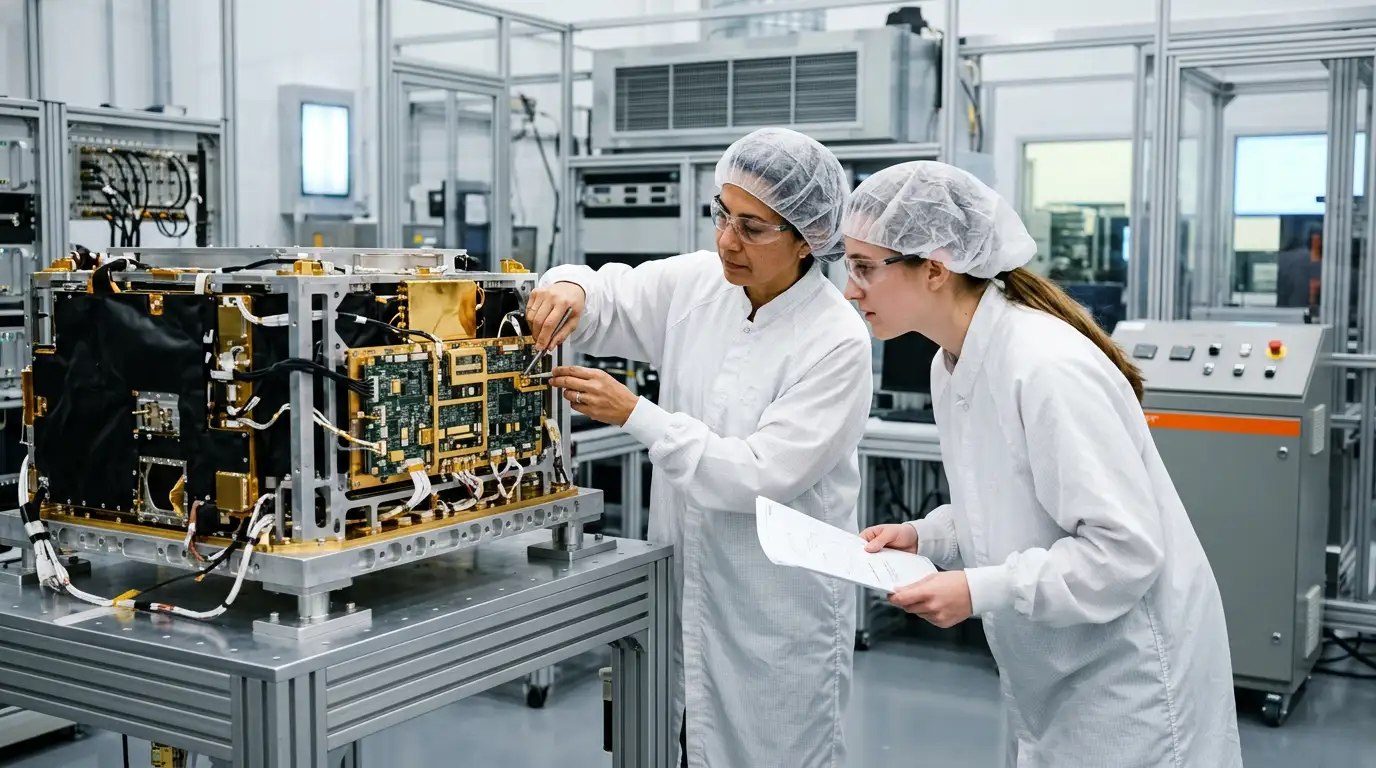
We recruit across the whole metro, not just the program offices along the Dulles Toll Road. Our engineers sit in the same Beltway traffic and ride the same Orange Line your team does, so we know which roles pull from which corner of the region.
- Northern Virginia. Arlington, Reston, Herndon, Tysons, Chantilly, and the Dulles corridor. The cleared core, where defense systems, aerospace, and program engineering concentrate.
- The Loudoun corridor. Ashburn and Sterling, home to Data Center Alley and the network, power, and mechanical engineers who keep it running.
- The I-270 corridor. Rockville, Gaithersburg, and Bethesda, where NIH, the FDA, and the biotech cluster pull process, manufacturing, and device engineers.
- The District and inner suburbs. Federal agencies, A and E firms, and the civil, structural, and transit engineering behind Metro and the city’s buildout.
- Aberdeen and Fort Meade. The Army and intelligence base in northern Maryland, where cleared electrical, embedded, and cyber-adjacent engineering lives.
- Southern Maryland and Pax River. Naval air, test, and evaluation work around Patuxent River, a reach we make when a search runs that way.
- Annapolis and the Bay. Naval, maritime, and the environmental and water engineering tied to the Chesapeake watershed.
Hiring outside engineering too? Our broader DC staffing and DC IT staffing teams cover the same metro, so one call can reach more than one department. And if your footprint runs past the capital, our Baltimore, New York, Philadelphia, Boston, Raleigh, and Atlanta engineering staffing teams cover the same disciplines up and down the East Coast. About 100 miles south, engineering staffing in Richmond covers Dominion’s grid, the data center power buildout and the plants along the James.
DC Industries We Staff Engineers For
The capital region is not one engineering market. It is four or five stacked along the same highways, each with its own talent quirks and its own rules about who can even apply. We recruit for all of them.
Aerospace, Defense & Space
The cleared work that defines the region. We recruit aerospace, RF and electrical, and embedded engineers for the radar, sensor, and space programs across Northern Virginia.
Federal Systems & Data Centers
Systems integration and the infrastructure under it. We staff network, power systems, and security engineers for federal programs and the Ashburn data-center corridor.
Civil, Transit & Federal Buildings
Infrastructure that has to pass a federal review. We place civil, structural, and mechanical and MEP engineers for transit, bridges, and building systems across the District.
Life Sciences & Advanced Manufacturing
The I-270 corridor runs on labs. We source biomedical, process, and manufacturing engineers for the device makers and biomanufacturers near NIH and the FDA.
Common Questions About Engineering Staffing in Washington, DC
What does an engineering staffing agency in Washington, DC do?
An engineering staffing agency in DC sources, screens, and presents qualified engineers for open roles across the metro. KORE1 handles sourcing from our regional network, technical and clearance qualification, interview coordination, and the offer. The value sits in the screening. A recruiter who understands both engineering and the clearance process filters out the people who look right on paper but would stall in your specific program or lab, which saves your team rounds of wasted interviews.
Do you recruit engineers with active security clearances?
Yes, and in this metro it is usually the deciding factor. Much of the region’s aerospace, defense, and systems work runs on cleared talent, and an active Secret, Top Secret, or TS/SCI with a current polygraph can matter as much as the technical fit. We screen for clearance level, currency, and the program history a role actually needs, so you are not interviewing someone who cannot get read onto the work. Our aerospace and defense team lives in this every day.
What engineering roles does KORE1 place in the DC metro?
We place across the full spectrum of the capital region’s engineering economy. Aerospace and defense, electrical, RF, and signals, embedded and systems, civil and structural, mechanical and MEP, plus network, power systems, and the life-science engineers on the I-270 corridor. Entry level through principal and PE-licensed leads.
How fast can you fill an engineering position in Washington, DC?
Most of our DC metro engineering searches close in 14 to 28 days from kickoff. Cleared roles tend to run the long end, because clearance verification and read-on timelines add real days no recruiter can wish away. Highly specialized searches, like a cleared radar lead or a SCIF-experienced MEP engineer, can run longer simply because fewer qualified people exist. We give you a realistic forecast at the start, not a number invented to win the business.
How much does it cost to hire an engineer through a DC staffing agency?
It depends on the model. For contract placements, you pay a bill rate covering the engineer’s pay plus our margin, and they stay on KORE1’s payroll. Direct hire flips that. You pay a one-time fee tied to a slice of first-year salary, and the engineer is your employee from day one. Contract-to-hire sits in between. We put pricing in writing before any search starts, because surprise invoices ruin good relationships.
Can you staff civil and structural engineers for federal and transit projects?
We can, and it is one of the steadiest corners of demand in the metro. Metro rebuilds, bridge work, federal buildings, and the District’s constant construction all need civil and structural engineers who can carry a PE license and a public-trust posture through a federal review cycle. We recruit the design, site, and project engineering talent behind that work, from early design through construction administration.
What is the difference between contract and direct hire for engineering roles?
Contract engineers are temporary, usually 3 to 12 months, and they stay on our payroll while you pay a bill rate. Direct hire means the engineer joins your company permanently from day one and you pay a one-time placement fee. Contract-to-hire is the hybrid. It lets you watch someone work the actual program before committing to a full offer, which a lot of DC hiring managers prefer for senior, cleared, or hard-to-assess hires.
Ready to Hire Engineers in Washington, DC?
Start with a short intake call. We will ask about the role, the clearance requirement, the team, and what has gone wrong before so we do not repeat it. No commitment, no pitch deck. Just a straight conversation about whether we are the right fit for your search.
