

Last updated: September 30, 2026
By Dave Manchester, Scientific Recruiting, KORE1
Two resumes both say “five years of GMP experience.” Same five years? Probably not. GMP experience means a person has done work governed by current good manufacturing practice rules, following approved written procedures, recording each step as they did it, and signing records a quality unit reviews.
On a resume, though, the phrase only tells you somebody lived under those rules for a while. It doesn’t tell you which rules. Or which work. Or how close to the signature line they stood.
Two words doing a lot of heavy lifting.
I recruit scientists and plant people for KORE1’s life sciences staffing practice, mostly for pharma companies and CDMOs, and “GMP experience” is on nearly every resume that reaches me. It’s on the operator’s resume and the validation engineer’s. It can also be on the resume of someone who spent one summer moving pallets in a supplement warehouse. Nobody’s lying, exactly.
This one is for the person reading those resumes, not the person writing them. I’ll cover what the regulations expect of someone trained in GMP, which rulebook a resume’s GMP actually came from, the evidence real GMP work leaves behind, and the handful of interview questions that sort it out in about ten minutes.
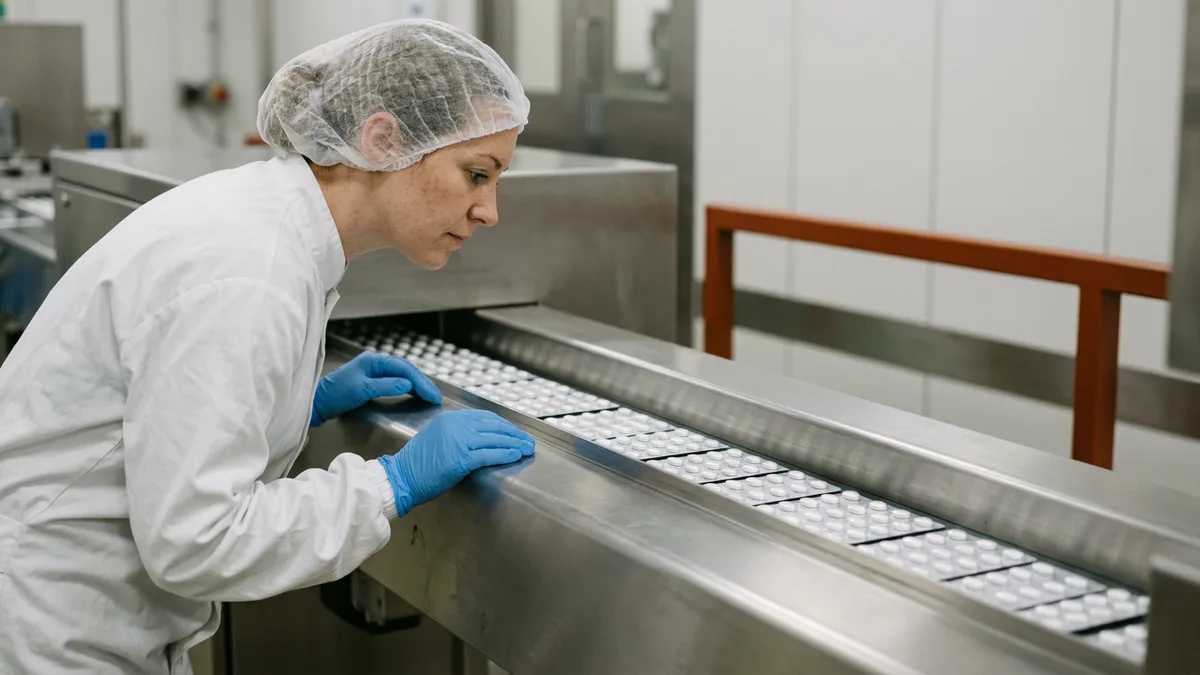
GMP Experience, Defined From the Hiring Side
GMP experience is time spent doing regulated work under current good manufacturing practice rules, where written procedures are followed, each step is documented as it happens, and every departure is recorded and explained. It is not a license. FDA doesn’t issue GMP credentials to individual workers.
What the rules ask for instead is a person who can do the assigned job. FDA’s personnel rule for drug makers, 21 CFR 211.25, says each person involved in making a drug “shall have education, training, and experience, or any combination thereof, to enable that person to perform the assigned functions.” Then it adds that GMP training “shall be conducted by qualified individuals on a continuing basis.”
On a continuing basis. Read it twice.
The regulation treats GMP as something you keep doing, at a particular site, on particular operations, under that site’s procedures. Not something you have. A person with eight years of it walks into your plant and still gets trained on your SOPs before signing anything.
The day-to-day core fits in one sentence of 21 CFR 211.100(b). Written procedures “shall be followed” and “shall be documented at the time of performance,” and “any deviation from the written procedures shall be recorded and justified.” On the floor that turns into three habits. Do it the way the SOP says. Write it down while you’re doing it, not at lunch. When you can’t do it that way, stop, and document why. Those habits, repeated a few thousand times until they become automatic, are the bulk of what you’re paying for when a posting asks for GMP experience.
Europe lands in the same place. Its GMP guide has a whole chapter on people, Chapter 2, Personnel, in force since February 16, 2014. New recruits should get training “appropriate to the duties assigned to them,” the chapter says, and the “practical effectiveness” of continuing training “should be periodically assessed,” with the plain reminder that “training records should be kept.”
Hold onto that last line. Real GMP work leaves a paper trail, and the trail is what you’ll check.
Why “GMP Experience” Covers So Many Different Jobs
Postings ask for it, so resumes carry it, and because applicant tracking systems filter on it, candidates learn to type it into every draft whether the job they’re chasing needs it or not. The phrase gets inflated for the same reason every other keyword does.
Here’s who can honestly write it.
- A manufacturing associate who has signed off thousands of batch record steps and knows exactly what happens when a line clearance gets skipped.
- The pharma QA specialist who reads those records afterward and decides whether a lot ships.
- Validation engineer. Wrote the protocols, ran them, defended them.
- Someone in the warehouse who moved quarantined material and never touched a record beyond a receiving log.
- And the R&D chemist whose lab shared a building with a GMP plant, who toured the suites twice and put the acronym on a resume because it seemed close enough.
All five. Only some of them can run your process in their first month.
I call myself a Synergistic Salesperson, which is my way of saying I’m a recruiter who genuinely loves the science I recruit for. The practical payoff is this exact problem. A keyword filter sees “GMP” and says yes. Someone who knows what a line clearance is asks one follow-up question and hears the difference in the answer. That follow-up is the whole reason we vet candidates before you ever see the resume instead of forwarding keyword matches.
At a contract manufacturer the stakes go up, because the client audits your people too. My guide to how CDMOs staff up gets into why a thin bench can cost a proposal.
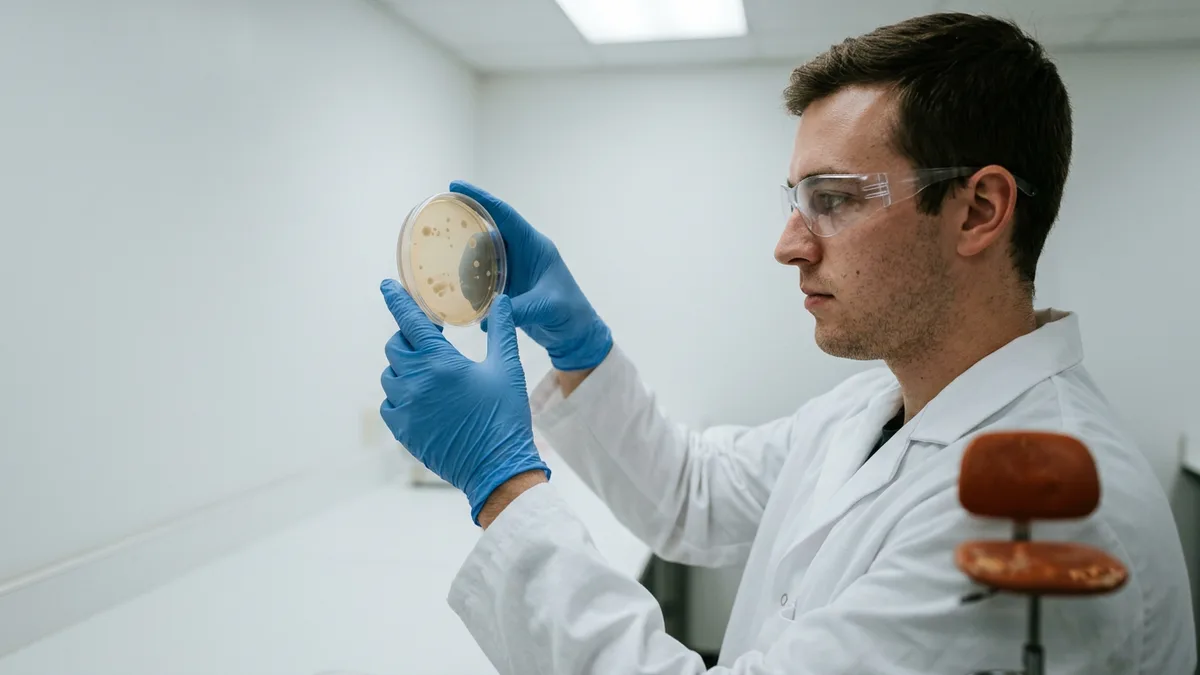
Which GMP? Check the Rulebook Behind the Resume
GMP isn’t one rulebook. FDA writes separate current good manufacturing practice rules for different kinds of products, other regulators and standards bodies add their own, and experience under one set transfers unevenly to the next.
So the first question isn’t how many years. It’s which ones. Ask it early.
| Where the GMP came from | Rulebook | Carries over well | Usually needs time |
|---|---|---|---|
| Finished drug plant (tablets, capsules, liquids) | 21 CFR Parts 210 and 211 | Batch records, deviations, change control, working under a quality unit | Little, unless the move is into sterile work |
| Sterile or aseptic suite | Part 211, plus FDA’s 2004 aseptic processing guidance | Gowning discipline, aseptic technique, environmental monitoring | Almost nothing. This is the scarce version |
| Active ingredient (API) plant | ICH Q7 | Process chemistry, cleaning, batch documentation | Dosage form operations and packaging |
| Medical device plant | 21 CFR Part 820 (the QMSR, built on ISO 13485 since February 2, 2026) | CAPA, complaint handling, supplier controls | Batch-by-batch drug records and release |
| Dietary supplement plant | 21 CFR Part 111 | Documentation habits, batch records, cleaning | The depth of a drug plant’s validation and investigations |
| Food plant | 21 CFR Part 117 | Sanitation, hygiene, hazard controls, record keeping | Drug batch records, deviations, and release |
| GLP or research lab | 21 CFR Part 58, or no GMP rulebook at all | Careful notebooks, study discipline | Most of what happens on a manufacturing floor |
These are generalizations for screening, not legal analysis. A strong person from any row can beat a weak one from the top row.
I mean that last line. A supplement plant alum with fierce documentation habits will outwork a pharma veteran who coasted through five years of somebody else’s batch records, and I’d rather hand you the first one.
Engineers are the classic crossover. Good ones, too. A process engineer from a food or specialty chemical plant brings real skill and a different rulebook, and the adjustment usually shows up as paperwork, not engineering. Our process engineering staffing team screens for exactly that gap before anyone books an interview.
GLP gets its own post. Different rulebook, different purpose, and people mix the two up often enough to earn the space.
What Real GMP Work Leaves Behind
Doing GMP work produces artifacts. Standing near it doesn’t. When I’m screening, I’m listening for these.
- Records with their name on them. Batch record steps, equipment logbooks, test worksheets, cleaning records. Ask which ones, specifically.
- A deviation. Anyone who has worked under 211.100 for a year has written one or been named in one, and a candidate who says they’ve never been near a deviation either had a remarkably calm year or wasn’t close to the work.
- Which procedures were they trained and qualified on? People who did the work remember several by topic. Some remember the numbers, which is a little alarming and very reassuring.
- An inspection or client audit during their time there, and what they personally did that week.
- Change control. Did they ever have to ask permission to change something small, and wait for it?
- Qualified to train others. That’s a real milestone at most sites, because the site is vouching for them.
Specific nouns are the tell. Real experience comes with names of equipment, forms, rooms, and the one reviewer who always sent things back. Thin experience comes with adjectives.
Ten Minutes of Questions That Sort It Out
You don’t need a technical panel to separate doing from being near. You need a few questions that only make sense to someone who has actually signed a GMP record.
Start with the mistake. “What was the last error you made on a GMP record, and what did you do next?” Everyone who has done the work has made one. The answer you want sounds boring. Boring is right. One line through the entry so the original stays readable, the correction beside it, initials, the date, and a reason, or a deviation if the error touched the product. Watch out for “I just fixed it.” Worse, “I rewrote the page.”
Why does that one question work so well? Because it tests data integrity, and data integrity is where thin GMP experience shows first. FDA’s 2018 guidance on data integrity and compliance with drug CGMP says records should be “attributable, legible, contemporaneously recorded, original or a true copy, and accurate,” which the industry shortens to ALCOA. The same guidance says training people to prevent and detect data integrity problems fits within the 211.25 personnel requirements. A candidate who can explain those five words in plain English, with an example from their own bench, has probably lived them.
Next, the login question. “Did anyone on your team ever share a login on a lab or production system?” FDA’s answer is blunt. When credentials are shared, “a unique individual cannot be identified through the login,” and the system doesn’t conform to CGMP. A good candidate knows why that matters and may admit, a little sheepishly, that they’ve seen it happen. If the seat itself runs those systems, MES or LIMS or a chromatography data system, that’s a different search, and our pharma IT staffing desk handles the validated-systems side.
Then ask who reviewed their work and what came back. Everyone gets something sent back. Everyone. People who can’t remember a single correction probably weren’t the ones being reviewed.
For a pharma QA seat, add one more. “Walk me through a deviation you investigated from the day it opened to the day it closed.” Listen for a root cause somebody could test, a corrective action that fit it, and whether anyone checked later that it worked.
Hiring for a sterile suite? Ask how often they requalified their gowning and whether they ever failed. An honest yes is fine. Plenty of good operators have failed one.
That’s the ten minutes. Maybe twelve if they’re chatty. Chatty is usually good news in these interviews, as it happens, because people who did the work like talking about it.
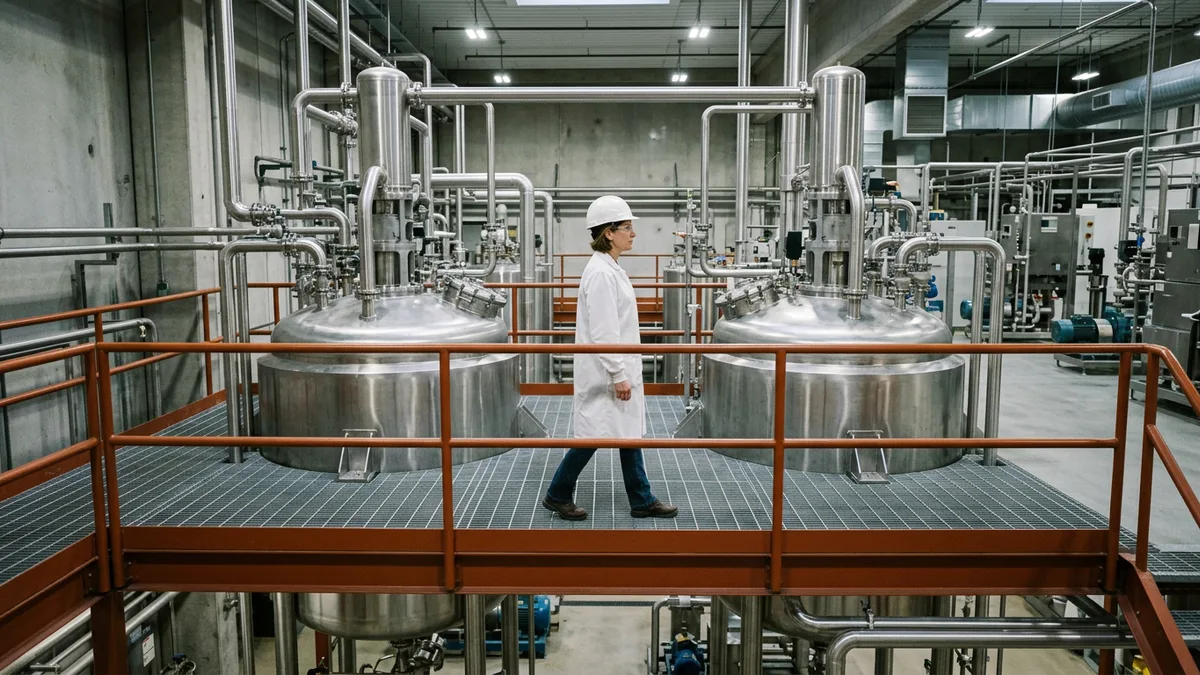
When “No GMP Experience” Is Perfectly Fine
Here’s the part some quality managers won’t love. For a lot of entry seats, GMP experience shouldn’t be a hard requirement at all.
Look at the wording again. The drug rule accepts education, training, or experience in any mix, and the EU guide expects every new recruit to get duty-specific training anyway. Your site is going to train a new QC analyst or manufacturing associate on its own SOPs no matter where they came from. A chemistry graduate with careful notebook habits and a clean attitude toward being checked can be productive in that seat sooner than people expect.
Some things take much longer to build, and those are the seats where I’d hold the line. Judgment about whether a lot should ship. Writing an investigation that survives an inspector’s questions. Aseptic technique that stays clean at the end of a long shift. Supervising people who sign records. For those, require it and verify it.
If you’re unsure about someone new to GMP, hiring on contract-to-hire terms lets you see how they handle your procedures for a while before either side commits. And if you’re writing the posting now, my QC analyst job description template has requirement wording that won’t screen out the chemistry grad you’d actually hire.
I tell candidates new to GMP what I’d tell a friend. The first month is mostly reading procedures and being watched while you work. The good ones don’t mind being watched. That attitude predicts more than the resume does.
Questions I Get About GMP on a Resume
Is there a GMP certification we should require?
FDA doesn’t certify individuals in GMP, so no credential is legally required beyond the training your own site provides. The closest thing to an industry standard is ASQ’s Certified Pharmaceutical GMP Professional, which requires five years of on-the-job experience, three of them in a decision-making role, plus a 165-question exam. Useful signal for senior quality hires. For entry seats, a vendor course certificate mostly shows attendance.
How many years of GMP experience should the posting ask for?
Fewer than most postings ask for. For associate and analyst seats your site will train, experience can be a preference rather than a requirement. Save firm year counts for people who review and approve records, supervise, or work in aseptic areas, where judgment takes years to build.
Does food or supplement plant experience count as GMP experience?
Partly, because 21 CFR Part 117 for food and Part 111 for dietary supplements are real current good manufacturing practice rules. The documentation habits carry over well. The depth of drug-plant validation, investigations, and batch release usually doesn’t, so plan extra training time and ask the candidate which parts they personally owned.
Our candidate has GLP lab experience. Close enough?
Short answer, not directly. Good laboratory practice under 21 CFR Part 58 governs nonclinical lab studies, not manufacturing, so the rulebook and its purpose differ. The careful record keeping transfers. Batch records, deviations tied to product, and release decisions will be new.
They worked at a GMP company, but in R&D. Does that count?
Only if they worked under the GMP system. Plenty of research groups inside GMP companies operate outside it entirely. Ask whether their own work was covered by the site’s GMP procedures and reviewed by the quality unit. Sharing a badge reader with the plant doesn’t count.
Send Me the Resume You Can’t Read
KORE1 opened in 2005. Of the people we place, 92% are still working for the company that hired them when the one-year mark comes around, and I’d credit a good share of that to asking the awkward follow-up question before the interview instead of discovering the answer after the offer.
Got a stack of resumes that all say “GMP experience” and no easy way to tell them apart? Let’s connect. Our pharmaceutical recruiters run the permanent quality and plant searches, and I’m happy to read the first few resumes with you. I’m on LinkedIn too, if that’s easier.
