
Last updated: August 26, 2026
Engineering Staffing Baltimore, MD
KORE1 places mechanical, electrical, RF, controls, and manufacturing engineers across Greater Baltimore. The engineering work in this metro sits at the edges, not downtown. Knowing which edge a candidate will actually drive to is most of the job.
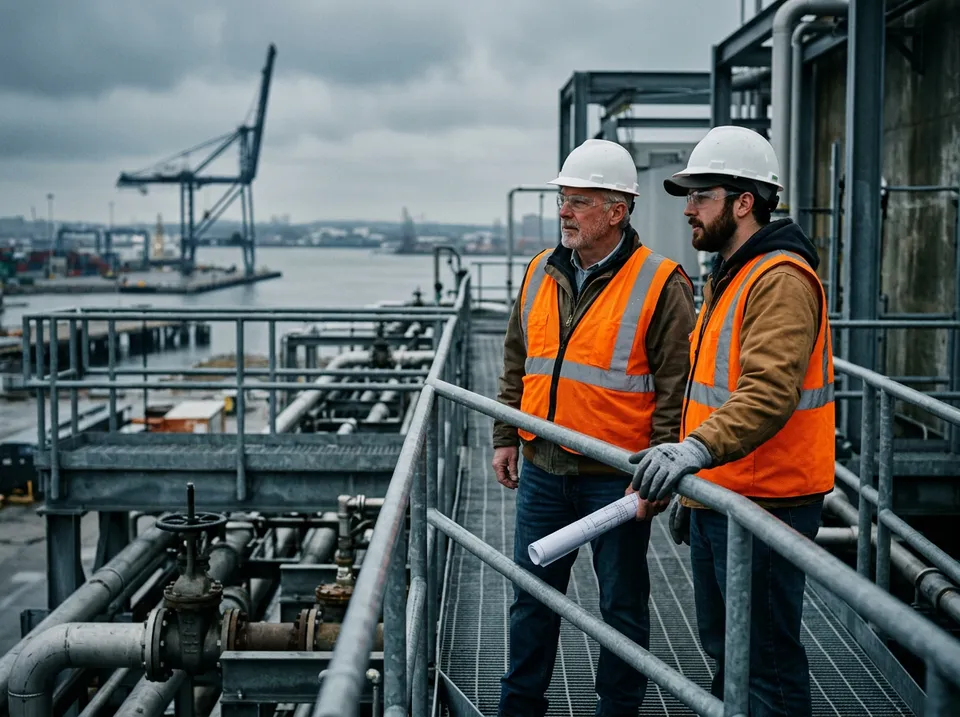
KORE1 is an engineering staffing agency in Baltimore, MD that places mechanical, electrical, RF, controls, manufacturing, and civil engineers across Greater Baltimore, on contract or direct hire, with most searches filling in three to six weeks.
Baltimore doesn’t wear its engineering on the skyline. Downtown reads as hospitals, universities, insurance towers and a harbor full of visitors, and if you flew in for a day you would leave thinking this is a services town. It isn’t. The engineering is here in volume. It just sits twenty to forty miles out, in three different directions, and you have to drive to find it. So people do.
Head southwest. Laurel first, where the Johns Hopkins Applied Physics Laboratory runs a 461-acre campus and more than 8,800 staff, about 80 percent of them technical. Then Linthicum, a few miles on, where Northrop Grumman’s mission systems campus designs and builds a great deal of the nation’s radar and electronic warfare hardware. Head northeast instead and you hit Aberdeen Proving Ground. The Army has been testing ordnance on that reservation since 1917, and DEVCOM still runs research and evaluation out of it. Head southeast and you’re on the water, at Dundalk and Seagirt and the 3,300 acres of old Bethlehem Steel land that Tradepoint Atlantic has been filling back in since the mill shut down.
Those three worlds barely talk to each other. Not in hiring, anyway.
So a specialized engineering staffing agency working this market has to treat one job title as three separate searches, with three candidate pools and three different reasons someone says no. Three searches. One req. KORE1 has been building engineering teams for more than 20 years, and our engineering recruiters carry 15 years of desk experience on average. Hiring on the software, data or security side as well? Our Baltimore IT staffing team works the same footprint.
One more thing worth saying out loud. Engineers here are sticky. A senior systems engineer at APL has been in that badge line eleven years, holds a clearance somebody paid real money to maintain, and has a commute that finally works. Six recruiters a month send that person the same unnamed opportunity in the Baltimore area. It gets ignored. It should be. We reach those engineers through people they already trust, because in a market this stable that is the only channel left that opens.
Engineering Roles We Staff Across Greater Baltimore
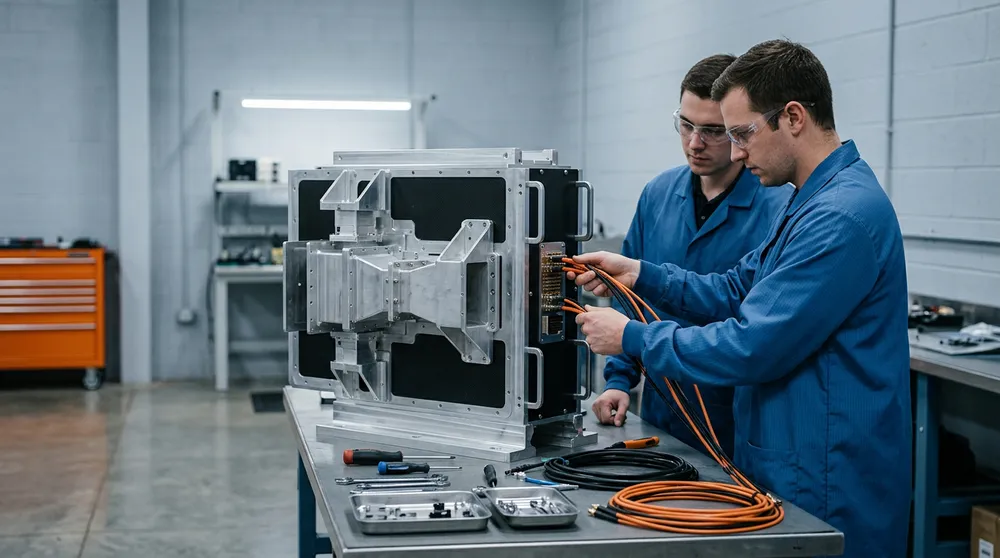
A radar integration bay in Linthicum, a valve shop in Curtis Bay and a flavor plant in Hunt Valley all need engineers this quarter, and the resumes overlap far more than the work does. Titles travel. Environments don’t. The U.S. Bureau of Labor Statistics projects continued national demand for mechanical engineers, electrical and electronics engineers, and civil engineers. Maryland runs hotter than the national line on the first two, because defense electronics never went away here.
- Mechanical engineers for tooling, enclosures, thermal and plant equipment, plus the design engineers who take a model all the way to hardware that survives a real duty cycle
- Electrical and electronics engineers for sensor and power hardware. RF engineers too, for the antenna, radar and electronic warfare work this region is genuinely known for
- The code that ships inside the box. Embedded systems and firmware engineers, alongside controls and automation engineers for lines, test stands and facility systems
- Manufacturing, quality and industrial engineers for build, ramp and first-article work. AS9100 and ITAR exposure narrows that pool a lot more than most hiring managers expect
- Civil and structural engineers. Marine terminals, bridges, water, and the enormous amount of rebuilding happening around the Patapsco right now
- Process, chemical and materials engineers for specialty chemicals, catalysts, coatings, food and flavor manufacturing, and the metallurgy underneath the port’s heavy industry
- Biomedical and validation engineers for device and biologics work near the hospital systems, plus power systems, aerospace, robotics and project engineers across the rest of it
Pick whichever engagement model fits the work. Some clients want a contractor through a qualification window or a plant turnaround. Others want a direct hire who will still be running the function in 2035. The screen doesn’t get easier either way. It happens before anyone reaches your calendar. No exceptions.

Distance Kills More Baltimore Searches Than Money Does
Most metros lose candidates on comp. This one loses them on the map. An engineer living in Bel Air will look at a role in Laurel, do the math on 95 southbound at 7am, and decline a perfectly good offer without ever naming the real reason. The reason is traffic. Somebody in Columbia does the same thing about Aberdeen. We ask about the drive on the first call, before anyone gets excited, because a 12 percent bump does not buy back ninety minutes a day and pretending otherwise just burns your interview slots.
The water makes it worse. Since the Key Bridge came down in March 2024, everything crossing the lower Patapsco funnels into the Fort McHenry and Harbor tunnels, and hazardous loads can’t use either one, so those trucks route the long way around the west side of the Beltway. A plant in Dundalk and a plant in Glen Burnie sit six miles apart on a map. Ask anyone who makes that trip at shift change what it actually costs them. The cable-stayed replacement will fix it, eventually. The Maryland Transportation Authority has pushed the open-to-traffic date to late 2030 and revised the cost range to $4.3 to $5.2 billion. Eventually is not a hiring plan.
So we recruit by corridor instead of by metro. Our network here was built slowly. Two decades of Mid-Atlantic engineering searches, plus a habit of staying in touch with people long after they left a program we staffed. We know who came off which build, who is quietly out of runway on a contract that ends in March, and who would move for the right technical problem but never for a title.
Screening is where the job title stops helping. A quality engineer out of a defense electronics shop and one out of a food plant share four words on a business card and almost nothing else, because the audit exposure, the paperwork trail and what happens when something drifts out of spec are different jobs entirely. Same title. Different planet. We qualify for the environment and the program stage, not the keyword. It is also why 92 percent of what we place is still there twelve months on, whether the role closed as a permanent hire or a contract-to-hire you wanted to watch for a quarter.
The Work Sits at the Edges, Not Downtown
Draw a line from Laurel up to Aberdeen and you have traced about sixty miles of engineering employers, with the harbor hanging off the middle of it. Three edges. Three hiring cultures. A candidate who is a lock on one of them can be a hard no on another, for reasons that have nothing to do with skill.
Defense Electronics & Space Systems
The densest engineering talent in Maryland, and the hardest to move. APL builds spacecraft and national security systems in Laurel. Northrop Grumman designs radar, sensors and electronic warfare hardware in Linthicum. Around them sits a supplier layer of machine shops, cable houses and test labs that almost nobody outside the industry has heard of.
Disciplines RF, electrical, embedded, mechanical, systems and test
Who hires Federal labs and primes, their subcontractors, and the data-center and mission-support builds spreading through Anne Arundel and Howard counties
The catch Clearance timelines and citizenship rules shrink the pool before you post the role, and almost nobody living north of the harbor will make this drive daily
Port, Heavy Industry & Rebuild
The oldest engineering economy in the city. Right now it is also the busiest. The Port of Baltimore moved 847,158 cars and light trucks in 2023, its 13th straight year ahead of every other U.S. port. Tradepoint Atlantic keeps turning old mill land into working industry, and the Key Bridge rebuild has pulled civil and structural talent in from three states.
Disciplines Civil, structural, materials, reliability, logistics and automation
Who hires Terminal operators, marine and heavy civil contractors, the specialty chemical and metals plants along Curtis Bay, and the distribution and manufacturing tenants at Sparrows Point
The catch Shift coverage and field time are not negotiable here, so an engineer holding out for a hybrid schedule will not survive the first turnaround
Test, Devices & Process Manufacturing
The quietest of the three. Also the steadiest. Aberdeen Proving Ground has run Army test and evaluation since 1917, and the corridor north of the Beltway holds flavor and food manufacturing, diagnostics and device production, and a long bench of engineers who have never once considered leaving Baltimore County.
Disciplines Process, quality, biomedical, manufacturing and industrial
Who hires Army research and evaluation commands and their support contractors, flavor and food manufacturers around Hunt Valley, diagnostics and medical device makers in Sparks and Cockeysville, and defense systems shops in the same corridor
The catch Validation and regulated-environment experience is the gate, and engineers who have only worked commercial manufacturing rarely clear it on a first program
Engineering Hubs We Cover Across Greater Baltimore
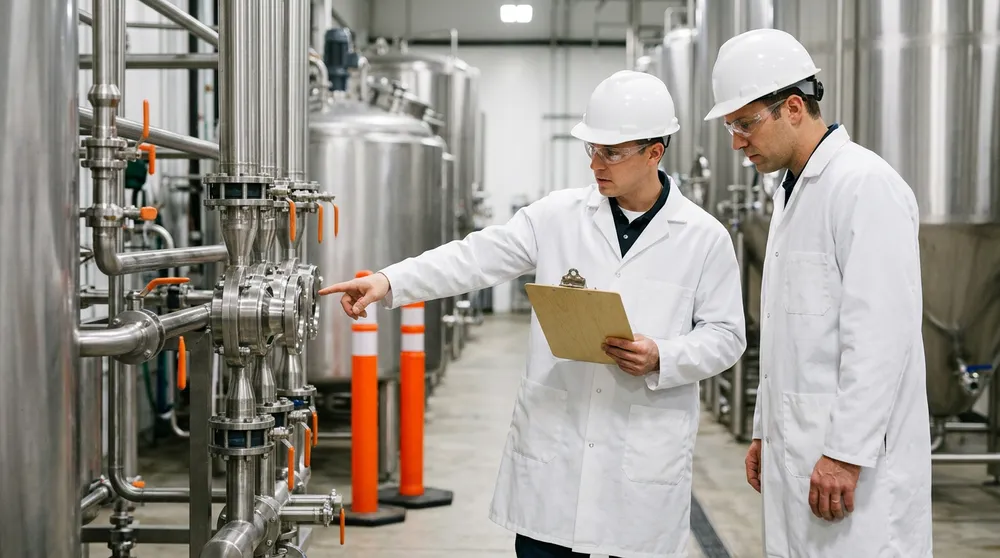
We recruit the whole footprint, well outside the Beltway in both directions, because that is where the plants and the labs and the test ranges actually sit. Our recruiters know which submarkets trade candidates with each other. They also know which ones may as well be in different states.
- Laurel, Columbia & Howard County. Applied research, systems engineering, specialty chemicals and catalysts, and the corporate technical layer along Route 32.
- Linthicum, Hanover & the BWI corridor. Radar, sensors and electronic warfare hardware, plus the airport-adjacent facilities and MEP engineering behind them.
- Curtis Bay, Dundalk & Sparrows Point. Marine terminals, heavy chemical and metals processing, and the industrial redevelopment at Tradepoint Atlantic.
- Downtown, Harbor East & the Baltimore Peninsula. Utility and energy engineering, capital projects, and the technical leadership sitting above all of it.
- West Baltimore & the BioPark. Device, biologics and validation engineering next to the hospital and research campuses.
- Towson, Hunt Valley, Sparks & Cockeysville. Flavor and food manufacturing, diagnostics, defense systems, and a deep HVAC and facilities bench.
- Aberdeen, Havre de Grace & Harford County. Army test and evaluation, ordnance and survivability work, and the contractor base supporting it.
- Glen Burnie, Severn & northern Anne Arundel. Fabrication shops, distribution automation, and the light manufacturing that feeds the primes.
Hiring outside engineering too? Our Baltimore staffing, Baltimore IT staffing and Baltimore finance staffing desks work the same map, so a single intake call can cover more than one opening. Hiring beyond Maryland? Our Washington DC, Philadelphia, New York and Pittsburgh engineering desks run the same disciplines. Farther down I-95, our Richmond engineering desk handles Central Virginia’s utility, data center and plant searches.
Baltimore Industries We Staff Engineers For
Four industries, four different definitions of a qualified engineer. The certifications transfer on paper. In practice they rarely do, which is why a resume that looks perfect for one of these can be dead on arrival in another.
Defense Electronics & Space
The region’s anchor. We place RF, embedded and aerospace engineers into sensor, radar and mission systems programs.
Port, Marine & Heavy Civil
The working waterfront. We staff civil, structural and reliability engineers for terminals, bridges and industrial redevelopment.
Life Sciences & Devices
The tightest documentation. We source biomedical, quality and validation engineers for diagnostics, biologics and device manufacturing.
Process, Energy & Food
The steady one. We recruit process, chemical and power systems engineers for specialty chemicals, flavor plants and utility work.
Common Questions About Engineering Staffing in Baltimore
What does an engineering staffing agency in Baltimore do?
An engineering staffing agency in Baltimore finds, vets and presents qualified engineers for open roles across the metro, on contract or direct hire. KORE1 runs the whole search. We work our Mid-Atlantic network, qualify technical fit, manage the interview loop and handle the offer. Screening is the part that earns the fee. A recruiter who understands the difference between a cleared electronics program, a marine terminal and a validated device line will spot the candidate whose resume is flawless and whose first three weeks would not be, then drop them before they eat a month of your calendar.
What engineering roles does KORE1 place across Greater Baltimore?
We place across the region’s full engineering spread. Mechanical and design, electrical and RF, controls and embedded, plus manufacturing, quality, industrial, process, materials, civil, structural and biomedical engineers. Entry level through principal. Add PE-licensed leads and cleared specialists where a role requires one.
Do your Baltimore searches cover cleared engineering roles at APL, Northrop Grumman and Aberdeen?
They do, and clearance reshapes a search more than the discipline does. Secret, Top Secret and TS/SCI roles narrow the pool to people who already hold an active investigation, because a sponsored clearance from scratch can outlast the program’s need for the seat. We confirm status and any break in service before a resume reaches you, not during your security review six weeks later. Where a role can be split so an uncleared engineer handles the unclassified portion first, we will say so. That path sometimes fills in weeks instead of quarters.
How fast can you fill an engineering position in Baltimore?
Three to six weeks from kickoff covers most of our Baltimore engineering searches. Manufacturing and plant roles run faster, because our plant-side bench in this metro stays warm, and a handful close inside a week. Some don’t. A cleared RF engineer with a specific waveform background, or a validation engineer who has actually carried a device through a regulatory submission, that pool is small and everyone is fishing in it. You’ll hear the honest range on the first call, including the part that isn’t good news.
Do you place civil and structural engineers for port and bridge work?
Yes, and demand has not let up since 2024. Marine terminal projects, heavy civil packages, inspection and rehabilitation work, and the design and construction support around the Patapsco crossings all pull from one regional bench. We place PE-licensed structural engineers, marine and geotechnical specialists, and the project engineers who keep a field package moving. Plenty of these are contract or contract-to-hire roles tied to a funding cycle, so we build the search around the schedule instead of pretending it is permanent.
How much does it cost to hire an engineer through a Baltimore staffing agency?
Two models, two very different numbers. Contract is an hourly bill rate that wraps the engineer’s pay and our margin together, and payroll stays with us. Direct hire is a single fee set as a percentage of first-year salary, with the engineer joining your team on day one. Contract-to-hire sits between them. Whichever you pick, the rate is in writing before we open the search. Nobody should ever learn a rate from an invoice.
What’s the difference between contract and direct hire for engineering roles?
Term length is the real difference. A contract engagement typically runs 3 to 12 months with the engineer on our payroll, which suits a qualification window, a turnaround, or a funded package with an end date. Direct hire is permanent from the first day and carries one placement fee. Contract-to-hire is the middle road. Around Baltimore plenty of managers take it on senior roles, because unwinding a bad hire in a market this small is slow and everybody hears about it.
Ready to Hire Engineers in Baltimore?
Send the req over, or don’t. A quarter hour on the phone gets us just as far. We want to know what the site is, what stage the program has reached, whether it needs a clearance or a certification, and what went sideways on the last attempt. If this isn’t our desk, you’ll hear that on the call.
