
Logistics Staffing
We staff the people who keep freight moving. Transportation, distribution, and 3PL roles filled by recruiters who already know that a second-shift DC supervisor and a first-shift one are two different hires.
Last updated: August 4, 2026
KORE1 is a logistics staffing agency that places transportation managers, distribution center supervisors, dispatchers, logistics analysts, and trade compliance specialists across 30-plus U.S. metros, on contract, contract-to-hire, and direct hire. We have staffed operations and industrial teams since 2005, our recruiters average 15-plus years each on the desk, and 92% of the people we place are still in the seat twelve months later.
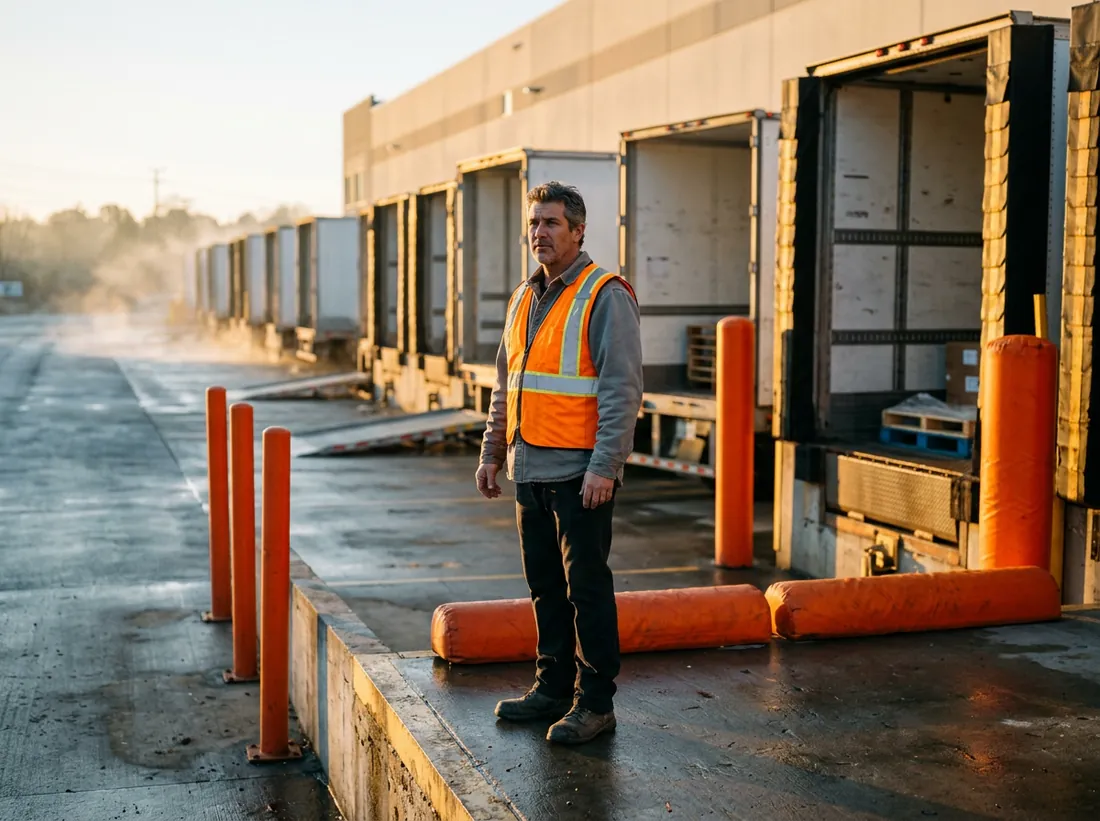
Ask a DC director what actually keeps them up and almost nobody says headcount. They say Tuesday. The second-shift supervisor had called out again, third week running, so the outbound cut-off slipped about ninety minutes and forty-one loads rolled into Wednesday’s dock schedule. A grocery customer logged their first OTIF miss of the quarter. All of it came out of one open req that had been sitting unfilled since March.
So logistics hiring isn’t really a headcount problem. It’s a coverage problem. The building runs whether or not the seat is filled, and every hour it sits empty gets absorbed by somebody who was already working a full shift.
This desk sits next to two others. Our light industrial and warehouse staffing team covers the hourly floor, pickers and packers and forklift operators at volume, and our supply chain staffing group owns planning, procurement, and materials. Logistics is the part in between. The people who move it and the people who run the buildings it moves through.
What a Logistics Desk Actually Fills
Most job boards flatten all of this into one word. On our side it splits into four fairly different hiring problems, and a recruiter who is good at one of them is not automatically good at the rest. The federal occupational outlook for logisticians projects 17% employment growth between 2024 and 2034, much faster than the average across all occupations, and about 26,400 openings a year.
- Transportation and fleet. Dispatchers and lane managers, plus the transportation manager they all report to, plus whoever owns DOT compliance the week an auditor shows up, which in practice means knowing the FMCSA hours-of-service rules cold. The Bureau of Labor Statistics put median pay for transportation, storage, and distribution managers at $102,010 as of May 2024. In a tight lane market the real bands run well past that.
- Distribution and fulfillment leadership. DC managers, inbound and outbound supervisors, shift leads, WMS superusers, continuous improvement.
- Freight, brokerage, and 3PL. Account managers and carrier sales mostly, though pricing and implementation sit here too. This group turns over faster than anything else we staff. Clients underestimate it almost every time.
- Then the quiet, specialized end. Import and export coordinators, customs brokerage, trade compliance, the occasional hazmat role. Tiny population. Long lead times. On these searches, naming the right port or the right classification code in week one is what saves you a month later.
Where a role is really about the system rather than the operation, we hand it across to our logistics and supply chain IT staffing desk. WMS, TMS, and yard management builds live there. So does the EDI desk, when the problem is a customer scorecard rather than a shift roster.
Every Logistics Hire Is a Slot on a Clock
This is the part that separates logistics from every other vertical we staff. A software team hires a skill set and mostly lets people decide when to use it. A distribution network hires that same skill set bolted to a specific block of hours, and the blocks nobody wants are the ones that break first when somebody quits. Below is a normal weekday inside a two-shift DC that also runs an overnight crew.
The amber block is the one that stays open. In our experience it takes roughly twice as long to fill as the same title on first shift, and it is the single most common reason a client calls us after trying to hire it themselves for two months.
Read the board sideways instead of down and you get the other half of the problem. At 05:00 the outbound team hasn’t arrived and dispatch is already three hours into the day. At 21:00 there is one supervisor covering a building that had four people running it at noon. Those handoff windows are where errors get made, and they are why we ask what hours a role covers before we ask what the title is.

Nobody Applies to Third Shift. They Get Recruited Into It.
Post a first-shift DC supervisor role and you’ll get resumes. Post the same title at 22:00 and you’ll get crickets, then a slow trickle of people who are mostly hoping it converts to days.
That’s a sourcing problem, not a comp problem, though comp is where most companies try to solve it first. A 12% shift differential does not move somebody who has worked nights for six years and likes it. It definitely does not move somebody on days who has kids in school. The people who genuinely want overnight are a real and stable population, they just aren’t scrolling job boards at two in the afternoon like everyone else, so you have to go find them where and when they actually are.
We keep those conversations warm year-round rather than starting them the week a req opens. When a client calls us in September about peak coverage, the useful part isn’t that we can post a job. It’s that we already talked to eleven overnight supervisors within forty miles of that building last spring.
Four Desks, One Supply Chain
People land on this page looking for four genuinely different things. Here’s the plain read on each, so you can skip to the right one.
| Desk | What it covers | Typical titles | Engagement |
|---|---|---|---|
| Logistics staffingthis page | Moving the freight and running the buildings it moves through | Transportation manager, DC supervisor, dispatcher, freight broker, trade compliance | Contract, contract-to-hire, direct hire |
| Supply chain staffing | Deciding what moves, when, and from whom | Demand planner, buyer, S&OP lead, materials manager, inventory analyst | Contract, direct hire |
| Light industrial and warehouse | The hourly floor, at volume and at speed | Picker, packer, forklift operator, material handler, shipping clerk | Temp, temp-to-hire, peak surge |
| Supply chain IT | The systems underneath all three of the above | WMS analyst, TMS consultant, integration developer, EDI specialist | Contract, project, direct hire |
Plenty of searches cross two of these rows, and that’s fine. A DC that’s live-cutting to a new warehouse management system needs an operations lead and a WMS integration consultant in the same quarter, and the same account manager coordinates both. Manufacturers running their own distribution usually pull from our manufacturing staffing and industrial engineering benches too.

Logistics Hiring Is Extremely Local
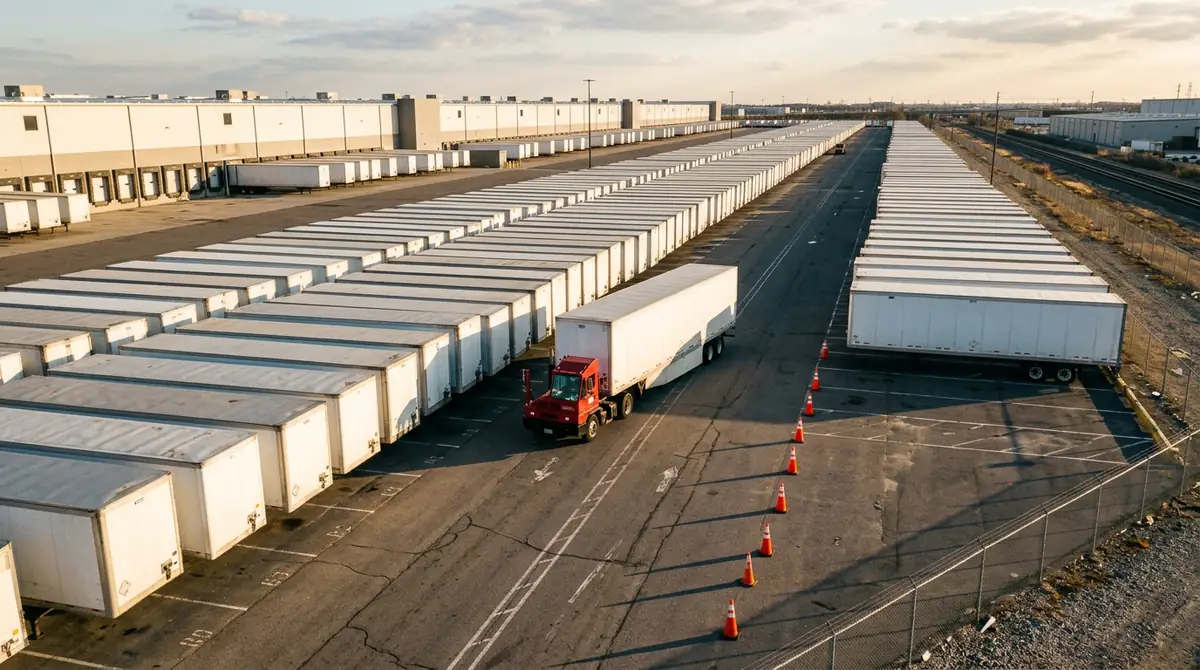
National salary averages are close to useless here. A DC supervisor in the Inland Empire is competing against roughly a thousand other buildings inside a forty-minute drive. The same title in a secondary market might have four.
That density decides everything about how a search runs. In San Bernardino and Riverside the constraint is retention, because your candidate has a standing offer from the building across the street. In Memphis and Louisville the air hubs set the clock and the overnight population is unusually deep, which helps. Columbus around Rickenbacker has been absorbing new square footage faster than it has been absorbing supervisors. And on the border in El Paso, cross-dock and customs experience matters more than warehouse size on a resume.
We recruit into 30-plus metros and staff both on-site and hybrid roles. When a search is genuinely regional we say so, and we price the relocation conversation into the timeline rather than pretending a local hire is sitting out there waiting.
Four Ways a Logistics Search Stalls
Hiring the Building, Not the Flow
A 400,000 square foot cross-dock and a 400,000 square foot e-commerce fulfillment center are different jobs. Square footage on a resume says almost nothing.
Burying the Shift
Reqs that hide the hours until the third interview waste everyone’s time. We put the block on the table in the first call.
Treating Peak as a Surprise
Peak lands in the same eight weeks every year. Starting the search in October means paying a premium for whoever is still available.
Skipping the Site Walk
Candidates who see the dock, the racking, and the night crew before they sign quit a lot less often. We push for it every time.
Salaried logistics roles usually run through direct hire. Peak coverage, leave backfill, and network expansion tend to run through contract staffing, and a startup or consolidation with a hard go-live date is normally a project staffing conversation.
How We Run a Logistics Search
- Step 1
Map the hours before the title
What block does this seat cover, who covers it today, and what breaks at the handoff. Half the time this call changes the req. A client asks for a DC manager, then walks away hiring two shift supervisors instead because that was the actual gap once somebody drew it on a whiteboard.
- Step 2
Price it against the lane, not the country
We benchmark the role against buildings within commuting distance, including the ones you don’t think of as competitors. Then we tell you where your number sits. Sometimes that conversation is uncomfortable and it saves a month.
- Step 3
Recruit direct into the shift
Overnight and weekend roles get sourced by outreach, not postings. Our recruiters work referrals inside the local operator community and call people who weren’t looking, which is most of the good ones.
- Step 4
Walk the building before the offer
Every finalist sees the site, ideally during the shift they’d actually work. It costs an hour and it is the cheapest retention insurance in this industry.
Salaried logistics searches typically close in three to six weeks. Surge coverage moves faster. Overnight leadership takes longer, and we’d rather tell you that at kickoff than let you find out in week five.
Common Questions
What roles does a logistics staffing agency actually fill?
Transportation managers, dispatchers, DC and warehouse supervisors, inventory and logistics analysts, freight brokers, carrier sales reps, and import, export, and trade compliance specialists. Fleet and DOT compliance roles sit here too. The hourly floor, meaning pickers, packers, and forklift operators, runs through our light industrial and warehouse desk instead, because those searches are a volume game with a completely different rhythm.
How fast can you cover an open shift?
Contract and temp-to-hire coverage in an established metro usually starts within one to two weeks. Salaried searches run three to six weeks. Overnight leadership is the exception and can take eight or more, which is worth planning around rather than discovering.
Is logistics staffing different from supply chain staffing?
Yes, and the split is cleaner than most people expect. Supply chain roles decide what moves, when, and from whom. Logistics roles execute it, so a demand planner and a transportation manager rarely come from the same candidate pool even though both sit under the same VP. We run supply chain staffing as its own desk for exactly that reason.
What does it cost to hire through KORE1?
Direct hire is a percentage of first-year base, and contract is an hourly bill rate that covers pay, burden, and our margin, with the rate quoted before we start. No exclusivity required and no fee unless someone starts. Rates move with the role and the market, so we quote per search rather than publishing a number that would be wrong for half of them.
Can you handle peak season volume?
Yes, and the honest answer is that timing matters more than capacity. Clients who lock peak coverage in July get better people at better rates than clients who call in October. Roughly the same crew is available either way. By fall, the good ones already committed somewhere, and everyone is bidding on what’s left.
Do you place CDL drivers?
No, and we’d rather say so plainly than take the req and disappoint you. Driver recruiting is a specialized, high-volume, heavily regulated business, and the agencies that do it well do only that. We staff the people who manage drivers, plan the loads, and run the yard.
How do you vet somebody who has never run our type of operation?
We ask about volume, flow, and constraint instead of asking about job titles. Cases per hour, dock doors, SKU count, whether the building is cross-dock or storage, what the cut-off is, and what happened the last time it slipped. A supervisor who can walk through their own worst week in specifics has run the operation. One who talks about leadership style has usually been near it. That distinction has decided more of our placements than any resume screen, and it’s why our recruiters average more than fifteen years each doing this.
Which Block Is Open?
Tell us the building, the shift, and what’s breaking at the handoff. You’ll get a straight read on the local market and a shortlist inside a few weeks when it’s a fit.
