Electrical Engineer Recruiters Who Know Power Engineers Can’t Do RF
We ask what frequency and power level the work runs at before we ask anything else, because that is what decides who can actually do the job. Job titles don’t. The licence question and the how-many-days-at-a-bench question get settled on the same call.

KORE1’s electrical engineer recruiters scope a search by frequency and power domain first, because power systems, analog, digital hardware and RF are four separate hiring markets. Electrical searches typically fill in 10 to 21 days, and 92% of the engineers we place are still in seat a year later.
Last updated: August 29, 2026
A director of hardware engineering called us last spring about a role that had been open since October. The title on the requisition said Senior Electrical Engineer. Titles hide the work. The actual job was a 48-volt DC-DC converter for a battery pack, which means magnetics, gate driver selection, and thermal derating that survives a real duty cycle.
He’d interviewed eleven people by then. Nine were board-level digital designers who had routed DDR4 and never wound a transformer in their lives. They were good engineers. They were also working three decades up the frequency axis from the job he was trying to fill.
We get handed a lot of stalled electrical searches, and this is nearly always what happened, usually well before anyone opened a sourcing tool. Two engineers can finish the same program in the same year and end up within a few thousand dollars of each other on comp, listing tools that overlap on paper, while the physics they actually work in shares almost nothing past Ohm’s law. Boolean strings cannot see that distinction. The physics does not care what the resume says. So the req sits for five months, the shortlist keeps arriving full of the wrong specialist, and somewhere around week twelve somebody decides the market is broken.
We sit inside the broader KORE1 engineering recruiters practice, so electrical work runs alongside mechanical, controls and biomedical searches on the same desk. The mechanical half of that desk has its own page on recruiters for mechanical engineers. If you want the service scope rather than the search method, that lives on our electrical engineering staffing page.
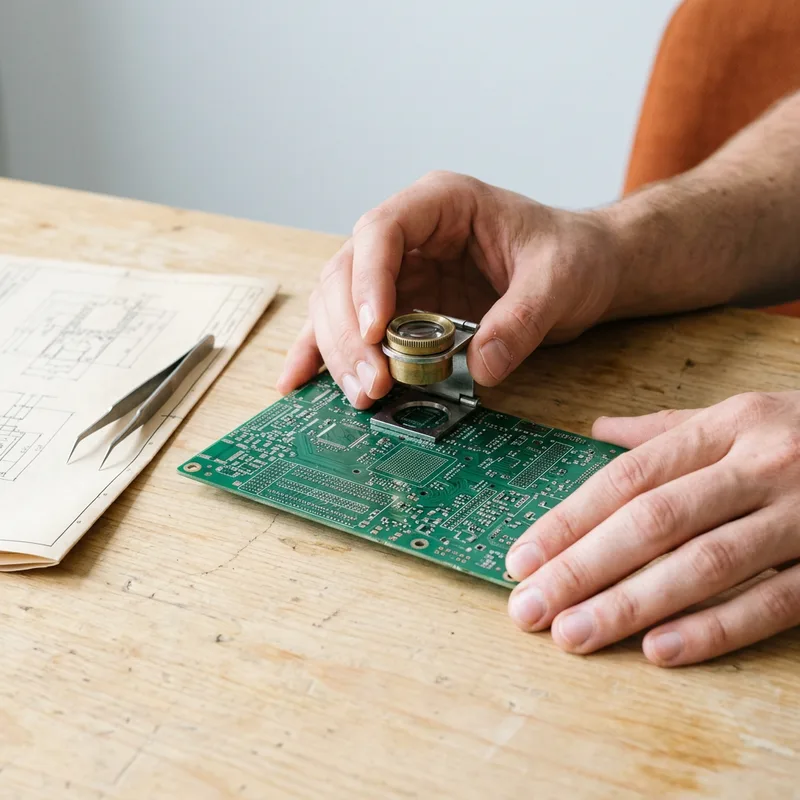
Four Jobs Are Hiding Under “Electrical Engineer”
Hand a power systems engineer an impedance matching problem and you will mostly get polite silence. It runs the other direction too. An RF engineer asked to produce an arc-flash study in ETAP will usually just say it isn’t their thing, which is the honest answer and a better one than pretending.
Both are legitimately electrical engineers. They sat the same core curriculum, they both read a schematic fine, and their resumes surface on the same Boolean string. What separates them is the frequency and the power level they live in, and that gap hardens faster than most hiring managers expect. Six years on switch-mode supplies builds a very particular intuition about magnetics, layout parasitics and thermal margin. None of it ports to a 5 GHz front end. Being clever doesn’t close that distance either, because what the work rewards is reps.
So the first thing we settle isn’t seniority. We start with the decade. Which rung the work sits on shapes the tools, the interview and the shortlist.
Electrical Roles Separate by Powers of Ten
Every electrical discipline lives in a decade of frequency. Position on this axis decides the tools, the failure modes, the interview questions and, more than anything else, who you can realistically hire.
Power systems and facility electrical
Switchgear, protective relaying, one-line diagrams, short-circuit and arc-flash studies in SKM or ETAP, motor control centers, NEC and NFPA 70E.
Power Systems Engineer · Protection & Controls Engineer · Electrical Design Engineer
Analog, power conversion and motor control
Switch-mode supplies, gate drivers, magnetics, op-amp front ends, LTspice, EMC pre-compliance, and the thermal work nobody puts on a resume.
Analog Design Engineer · Power Electronics Engineer · Motor Drive Engineer
Digital and embedded hardware
Multilayer PCB stackups, DDR and SerDes routing, signal integrity, controlled impedance, board bring-up, JTAG, and the firmware handoff.
Hardware Engineer · PCB Design Engineer · Embedded Hardware Engineer
RF and microwave
Matching networks, antenna design, link budgets, noise figure, vector network analyzers, ADS and HFSS, anechoic chamber time.
RF Engineer · Antenna Engineer · RF Systems Engineer
In our searches an engineer moves one decade with a real project to show for it, two if they’re unusually broad, and essentially never three. Which rung your work sits on is the single most useful thing to establish before anyone opens a resume. It costs one conversation.
Deeper on individual rungs: power systems engineering staffing, controls engineer staffing, firmware engineer staffing, embedded systems engineer staffing, and RF engineer staffing.

The Questions a Keyword Search Can’t Ask
Every electrical resume claims PCB design, and nearly every one of them means it. Far fewer can tell you why they moved a ground plane, what the return path was doing, or which revision finally passed radiated emissions. We ask anyway. The answer separates people faster than a whiteboard round does.
So our recruiters ask about one specific board. Which one shipped, what broke first, what the fix cost in schedule. An engineer who genuinely owned the hardware answers in concrete detail and usually gets a bit animated, because a debug that ate three weeks of their life stays with them. Engineers remember their debugs. Someone who only sat adjacent to the work hands you a process description instead, and you can hear the difference inside two minutes. When the board needs code as well as copper, our firmware engineer recruiters run the software side of the same search.
Our recruiters average 15 years in the seat and the electrical desk has been running since 2005. We have placed some of these engineers twice. That beats any reference check a form can produce.
Three Constraints That Quietly Halve the Pool
None of these appear in a job description. All three change who can take the job. Our template for electrical engineer job postings shows where each one belongs.
Licensure
Does anything here get stamped? That is the whole question. Utility, facility and building designs carrying legal responsibility need a PE licensed in that state, and NCEES sets the rules state by state. Product-side hardware, analog and RF work almost never does.
Citizenship and clearance
Offer stage is a terrible time to find out a candidate isn’t ITAR-eligible, and we have watched it happen more than once. Aerospace and defense hardware carries citizenship and clearance requirements that don’t bend for a good interview. Settle it before the req is written.
Bench access
Hardware needs a scope, a spectrum analyzer and the board in hand. Fully remote electrical roles do exist, but they are rare, and writing one as remote when it isn’t costs you candidates late.
Industry context on demand and outlook comes from the BLS Occupational Outlook Handbook, and licensure requirements are published by NCEES.

What Happens After You Brief Us
We place the role on the spectrum
What is the power level, what is the frequency, what does the engineer actually touch on a Tuesday. Thirty minutes on that. Most reqs get rewritten here.
We flag the constraints before sourcing
Licence, clearance, on-site days, and whether your band survives contact with the market. Most teams skip this step and pay for it later, because getting it wrong late is what turns a four-week search into a five-month one.
We work the network, not the job boards
The engineers you want are employed and they aren’t reading postings. Twenty years on the same desk means most first calls go to people we already know.
We screen on a board that shipped
We go through one real project in detail, failures included. You get a shortlist with the technical notes attached, usually inside two to three weeks. The notes matter more than the ranking. If you run your own technical round, our EE interview questions include the schematic redline we use.
If you’re still at the planning stage, our guide on how to hire an electrical engineer covers the job description and interview loop, and the electrical engineer salary guide has current bands by level and metro.
Three Ways to Bring Electrical Talent In
Direct hire
This is where the engineer who owns the platform belongs. Most power systems and principal analog roles land here.
Direct hire staffing →Contract
Compliance pushes and EMC re-spins run hot, then stop. Contract also covers a seat while the req is still budget-blocked.
Contract staffing →Project team
A board bring-up or a qualification campaign needs several engineers at once, on a scope with an end date on it.
Project staffing →Common Questions
What does an electrical engineer recruiter actually do that our internal team can’t?
A specialist recruiter scopes the role by frequency and power domain before sourcing, then works a standing network of employed engineers instead of job board applicants. That is most of the gap between a two-week shortlist and a five-month one. An internal team can absolutely run this play, and the good ones do. What they usually lack is twenty years of electrical relationships sitting in somebody’s phone.
How fast can you get us a shortlist?
Ten to twenty-one days, typically. Digital hardware and controls roles often land at the short end of that. Then you add a PE stamp, or an active clearance, or a metro where three employers are chasing the same twelve people, and it stretches. We say so up front. Week three is a bad time to learn it.
We wrote the req for a Senior Electrical Engineer. Is that enough to start?
Most reqs need one more conversation first, and that is normal. Senior Electrical Engineer describes four different jobs sitting decades apart on the frequency axis, so as a phrase it narrows almost nothing. Roughly half the reqs we take get rewritten on that first call. No client has ever objected to the rewrite.
Can a power electronics engineer move into RF, or the other way around?
Rarely, and the ones who manage it always have a project to point at. One decade of movement is normal enough that we barely note it. Two happens for an unusually broad engineer. Three we have seen a handful of times in twenty years, and every one of those people took a deliberate detour to get there. The intuition behind magnetics and thermal margin is not the intuition behind noise figure and matching networks, and neither transfers by reading about it.
Do we need a licensed PE?
Only if drawings get stamped. Utility, facility and building work that carries legal responsibility for a design needs a PE licensed in that particular state, and NCEES sets those rules state by state, which catches people out on multi-site projects. Product-side hardware, analog and RF roles almost never need one. Clients push back on this. Putting the requirement in anyway quietly halves your pool and buys you nothing.
Can you find electrical engineers who can hold a clearance?
We staff aerospace and defense hardware teams regularly, so yes, and we will be straight about what it costs you in time. Cleared and ITAR-eligible electrical candidates are a far smaller market. The search runs longer, the comp sits higher, and anyone who tells you otherwise has not run one recently. Plan in weeks rather than days.
Is this different from your electrical engineering staffing service?
Same team, different question. The electrical engineering staffing page covers what we place and which sectors we serve, and this one covers how a search actually gets run. Both routes land on the same desk. Pick whichever matches what you are trying to find out.
Tell us the frequency. We’ll tell you who you’re actually hiring.
Give us thirty minutes on the bench-level detail of the role. You will leave with a sharper brief whether or not you run the search with us. Most people keep the brief.
Start an Electrical Search →