Mechanical Engineering Recruiters Who Ask How Far the Design Actually Got
Every mechanical résumé lists SolidWorks, GD&T and DFM. None of them say whether the part ever cut steel. That gap is the entire search, and it is the first thing we close. Hiring managers who want to start closing it in the posting can work from our mechanical engineer posting template.

KORE1’s mechanical engineering recruiters screen by how far a candidate’s designs actually got, from concept through production tooling, because a skills list cannot show it. 92% of the engineers we place are still in seat a year later.
Last updated: September 2, 2026

Six Résumés, One Skills List, and Only Two of Them Have Cut Steel
Pull six mechanical engineers off any job board and read their skills lines. SolidWorks. GD&T. DFM. FEA. Tolerance analysis. The six lines are close to identical, and four of those engineers have never had a design punished by a real process. Not once.
A consumer hardware client of ours hired on portfolio in 2024. Beautiful work, genuinely. Renders you could put on a wall, and every single part in it had come off a resin printer. The first injection tool came back with draft missing on eleven faces of one housing, and the rework quote landed at eighteen thousand dollars against a salary gap of nine between him and the runner-up. Nobody had asked the one question that would have caught it, because it isn’t a question a keyword search knows how to ask.
That question is how far his designs had ever traveled. It sits underneath every mechanical search our engineering recruiters run, and on hardware programs it reshapes a shortlist more than any software proficiency ever does. Titles hide it. Years of experience hide it. A drawing package does not.
A Tolerance Means Nothing Until You Name What It’s Measured From
That’s the first thing anyone learns from ASME Y14.5, and it’s just as true of a requisition. “Senior Mechanical Engineer, 8 years” is a tolerance with no datum attached. Below are the five stops a mechanical design can stop at. Naming the one your program has to reach is the single most useful thing you can do before anyone opens a résumé.
Has anyone outside this team ever had to build from it?
Concept work is real engineering and plenty of programs need it. The risk is only that it never leaves the model. Geometry that resolves cleanly in SolidWorks can be quietly unmanufacturable, and nothing in the file tells you which one you’re looking at. The CAD and PLM tools around that file are changing hands too, and our read on Schneider Electric’s purchase of PTC covers what it means for Creo and Windchill hiring.
Design Engineer · Product Development Engineer · Industrial Design partner
Were the tolerances ever tested by anything but a printer?
A printed part is dimensionally forgiving in ways a molded one never is. Stack-ups that hold across five machined prototypes come apart the moment two mating parts arrive from two different processes, and the engineer who has only ever assembled prototypes has genuinely never seen that happen.
Mechanical Design Engineer · R&D Engineer · Test Engineer
Has a toolmaker ever told them no?
This is the expensive crossing. An engineer who has sat through a real DFM review has been argued out of a wall thickness, a parting line and an undercut, and they design differently forever afterward. Hire below this line for a program that tools in six months and you will find out in month five.
Design for Manufacturing Engineer · Tooling Engineer · NPI Engineer
Do they know the yield their last design actually ran at?
Volume is a different discipline. A design can pass first article at five parts and drift outside the band at fifty thousand, and the people who have lived through that talk about capability and scrap without being prompted. Everyone else talks about the drawing.
Manufacturing Engineer · Process Engineer · Quality Engineer
Have they ever had to fix their own design after it shipped?
Fatigue, creep, corrosion and gasket compression set all show up at month eighteen, long after the original designer moved on. Sustaining work is unglamorous and the engineers who are good at it are quietly rare, because it takes someone willing to read a drawing they didn’t draw and work out what the author meant.
Sustaining Engineer · Reliability Engineer · Field Engineer
Most mechanical engineers are deep at one stop and literate at the one next to it. Two stops of genuine depth is worth paying for. The crossing from B to C is where almost all of the pain we get called about actually lives, and it’s the one a requisition never mentions, because whoever wrote the req had already assumed everyone can do it.
Deeper on adjacent desks: manufacturing engineering staffing, quality engineering staffing, design engineer staffing, electrical engineer recruiters and controls engineer staffing.
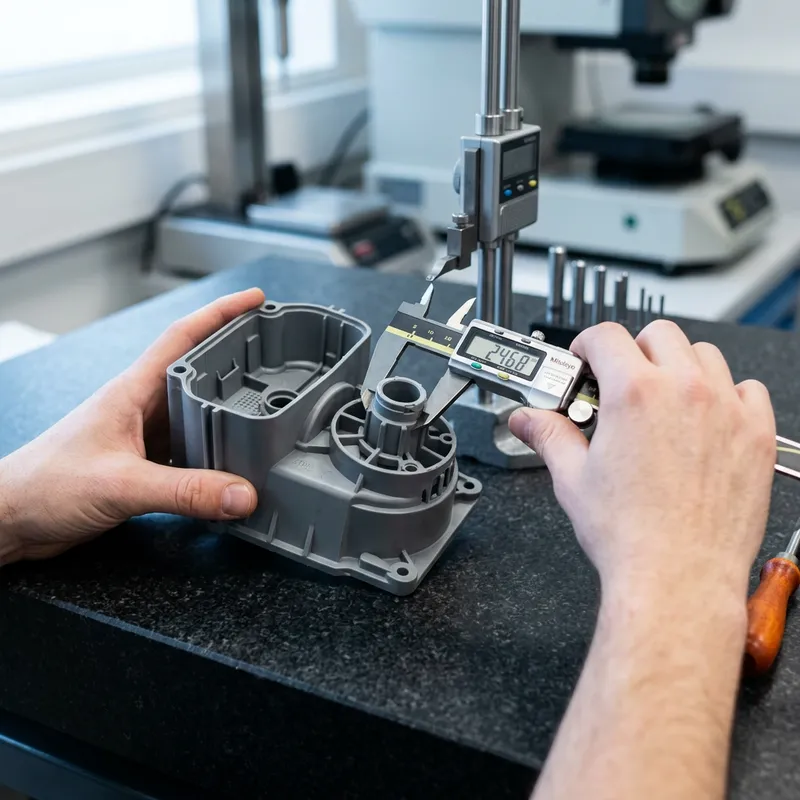
We Ask About the Part That Came Back Wrong
Ask an engineer what they’re proud of and you get the polished answer. Ask what came back wrong and you find out where they actually stood.
So our recruiters pick one part and walk the whole thing. Which revision shipped, what the tool did to the geometry, who told them no and whether they argued. Someone who genuinely owned a part through tooling gets specific fast, usually within a minute, and often a little irritated, because a $40,000 mold correction is not the sort of thing an engineer forgets. Someone who was adjacent to the work gives you a tidy process description instead, and you can hear the difference well before the technical interview.
We’ve run this desk since 2005 and our recruiters average 15 years each. A fair number of these engineers we’ve placed twice, some of them three times across a career, which tells you more about the work than any reference form ever has. Ask about the failure. The panel rounds that follow our screen live in our mechanical engineer interview guide. It’s the only question that doesn’t have a rehearsed answer. The code side of a mechatronic product gets the same treatment from our embedded firmware recruiters, who screen on what actually shipped.
Three Shapes a Mechanical Req Usually Takes
The requisition almost never says which one it is. Naming it on the first call changes who we pick up the phone to. Most of ours come out of medical device, aerospace, industrial equipment, semiconductor capital equipment and automotive programs, and the sector moves a shortlist about as much as the shape does.
A design that has to reach a tool
The program tools this year and nobody on the team has taken a part there before. Hardest of the three to fill. Also the one that saves the most money.
One hard problem, one specialist
Thermal, vibration, sealing, fatigue. You’re buying depth in a single domain, and the generalist who is good at four of them is usually good at none.
The designer left, the product didn’t
Someone has to own a drawing package they didn’t author. Most common of the three, and the one written up as the wrong role about half the time.
Wage and outlook figures for mechanical engineers come from O*NET OnLine, SOC 17-2141, which puts the 2025 median at $104,110 against roughly 293,100 people employed and about 18,100 openings a year through 2034.
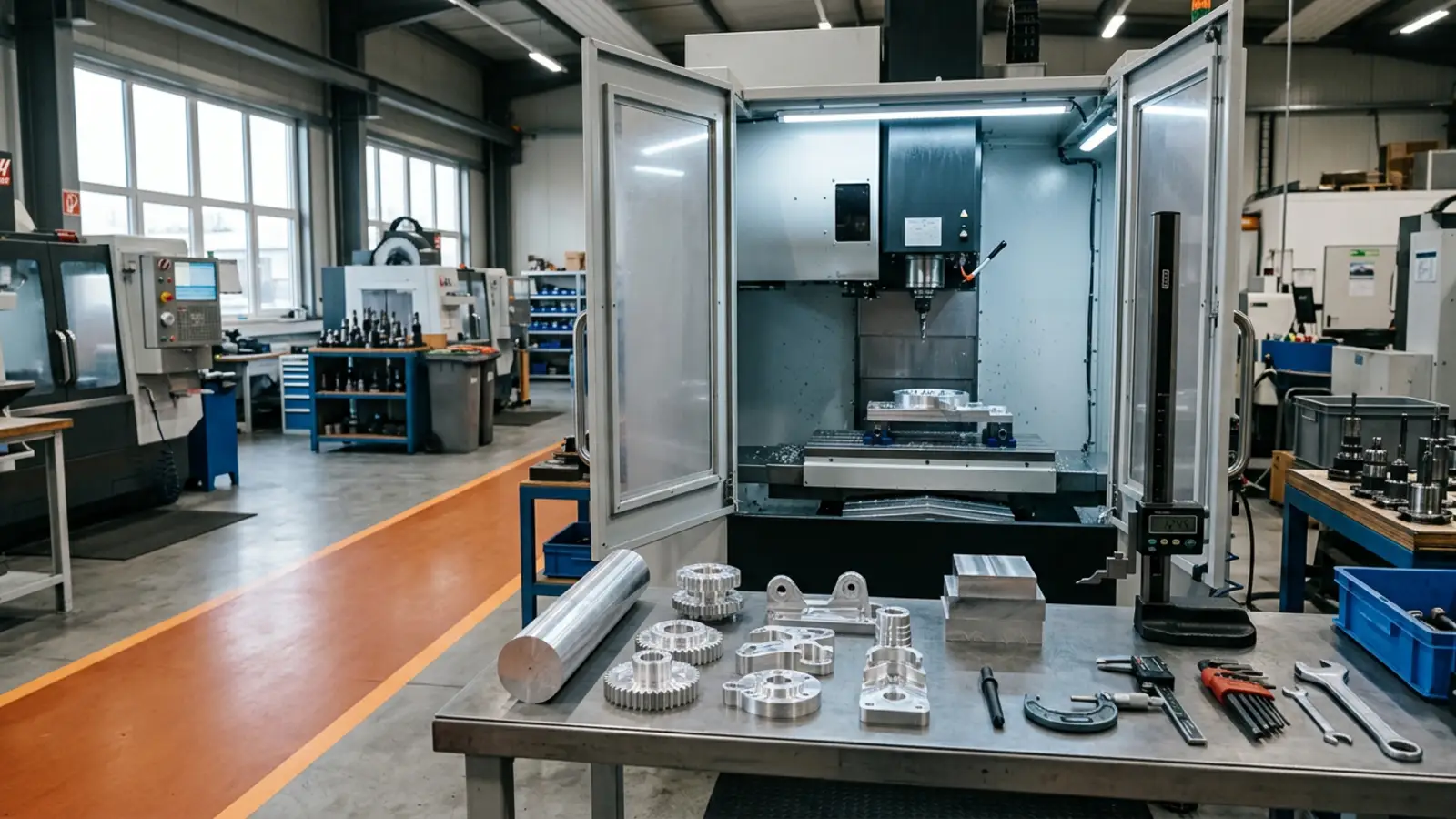
What Happens After You Brief Us
We name the stop the design has to reach
Thirty minutes on the product, the volume, the processes involved and where the program is now against where it needs to be. Most reqs get rewritten right here. Nobody has minded yet.
We settle the constraints before sourcing
Shop and lab access, on-site days, ITAR, whether a PE license is genuinely required or just inherited from an old posting, and whether the band survives contact with the market. Finding any one of those in week three is what turns a one-month search into a five-month one.
We work a network, not a job board
The engineers worth hiring are employed and not reading postings. Twenty years on one desk means most first calls go to people we already know. Some of them we placed.
We screen on one part, walked end to end
Failures included. You get a shortlist with the technical notes attached, usually inside two to three weeks. Read the notes.
Looking at the service rather than the search? Our mechanical engineering staffing page covers the roles and industries we place into. Writing the requisition yourself? The guide to hiring a mechanical engineer has the interview loop, and current pay bands sit in the mechanical engineer salary guide.
Three Ways to Bring Mechanical Talent In
Direct hire
Where the engineer who owns the drawing package belongs. Crossing hires and principal design roles nearly always land here.
Direct hire staffing →Contract
Tooling pushes and qualification runs get loud, then stop. Contract also covers a gap while a headcount req is still budget-blocked.
Contract staffing →Project team
A product refresh or a plant transfer needs several engineers across design, quality and process at once, on a scope with an end date.
Project staffing →Common Questions
What does a mechanical engineering recruiter do that a general engineering recruiter can’t?
A mechanical recruiter establishes how far a candidate’s designs actually reached before reading the skills list, then works a standing network of employed engineers rather than job board applicants. That is most of the distance between a two-week shortlist and a five-month search. A good generalist can absolutely run this play. What they usually don’t have is twenty years of mechanical relationships already sitting in somebody’s phone.
How do you tell a designer who has taken a part to production from one who hasn’t?
We walk one part end to end and listen for the failure. Someone who crossed into tooling names the process, the wall thickness argument, the T1 samples and what the vendor made them change. Someone who didn’t describes the workflow instead. Nobody has ever faked their way through the second follow-up question, because the detail you’d need to fake it only exists if you were there.
How long does a mechanical engineering search usually take?
Two to three weeks to a shortlist on most searches, longer where a clearance, a PE license or a regulated quality system like ISO 13485 or AS9100 is genuinely required. Design and NPI engineers move quickly. Then you add a metro where two medical device manufacturers are chasing the same thirty people, and it stretches. We say that on the first call rather than in week six.
Do the mechanical roles you fill actually need a PE license?
Far less often than job postings claim. A PE matters for work that gets stamped, so building systems, plant and pressure equipment, structural and public infrastructure. Product design roles almost never need one, and the requirement usually got copied forward from a posting written years ago. We ask about it in step two, because leaving it in cuts the pool by a large fraction for no benefit.
Can mechanical engineering roles be done remotely?
Analysis, CAD and drawing work travel fine. Anything involving a part in your hand does not, so bring-up, first article and tool trials all need somebody on site, and writing those roles as fully remote costs you candidates late in the process. Hybrid with a shop or a lab inside driving distance is where most of our clients land. The ones who tried fully remote design in 2023 have mostly walked it back. Plan for hybrid.
How is this different from your mechanical engineering staffing page?
Same desk, different question. Our mechanical engineering staffing agency page covers what we place and how engagements work, which is what you want when you already know the role. This page is about the screen itself, and it’s the more useful one when the req isn’t landing and you’re not sure why. Both routes reach the same inbox.
What should we have ready before the first call?
Four things. What the product is, the annual volume, which processes the parts are made by, and the last design change that cost you real money. That last one tells us more than the requisition does, and it’s the one people leave out. If you only have two of the four, call anyway. We’ll get the rest on the phone.
Tell us where the design has to get to. We’ll tell you who you’re hiring.
Give us thirty minutes on the product and the program. You’ll leave with a sharper brief whether or not you run the search with us. Most people keep the brief.
Start a Mechanical Search →