
Food Science Recruiters for R&D, Quality and Food Safety Teams
Recruiters who can tell a product developer from a PCQI, for food and beverage companies that can’t wait on a slow hire.

If your PCQI gave notice this morning, who would oversee your food safety plan next month?
Food science recruiters fill the scientist, technician and food safety seats inside food and beverage companies. KORE1 recruits food scientists, product developers, PCQIs, quality managers and plant microbiologists for temporary, temp-to-perm and permanent seats.
Last updated: October 4, 2026
Probably someone you don’t employ yet. Federal wage data counts 6,330 food scientists and technologists in all of U.S. food manufacturing, an industry of 1,778,490 jobs. One for every 281 people on the payroll.
The rules are kinder than the market, though. A contract PCQI is legal. A contract SQF practitioner isn’t. I’ll show you both rules below, because getting that split right decides which seats you fill fast and which ones you fill for keeps.
Food and beverage was on the list the day I launched KORE1’s Scientific Division in 2018, right next to pharma and medical devices. Same science. Very different rulebook.
- This desk
- Food scientists and technologists, product developers, sensory and shelf-life specialists, PCQIs, SQF practitioners, food safety and quality managers, and the microbiologists and chemists in plant and contract labs.
- Routed elsewhere
- Plant, process and packaging engineers go to our manufacturing staffing agency, line crews to light industrial staffing, and drug or device quality seats to the life sciences staffing desk.
Food science is one desk inside KORE1’s scientific staffing agency, the practice that covers every lab bench outside of drugs and devices, from coatings to contract testing. Plant engineering runs next door, so when a launch needs a process engineer and a product developer in the same month, one call covers both. KORE1’s 92% twelve-month retention counts these placements too.
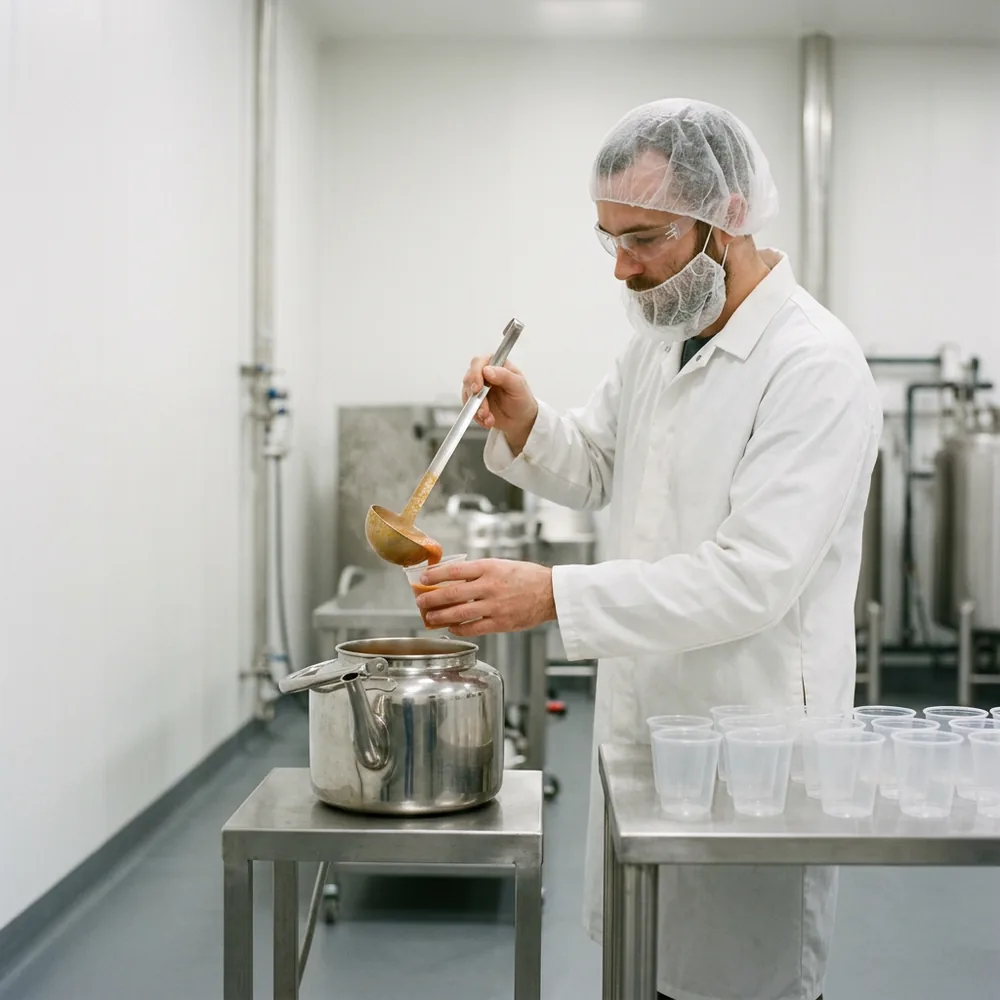
Three Benches Food Science Recruiters Hire For
Food science isn’t one job. It’s three benches that happen to share a hairnet, and a great hire at one can be a shaky hire at the next.
Product development
Formulation, shelf life, sensory panels and the long walk from a kitchen batch to a pilot kettle to a full production line. Ask a product developer about the batch that didn’t scale. Everyone has one.
Quality and food safety
The hazard analysis, the preventive controls, supplier approval, allergen changeovers and the audit. This bench writes the plan the other two follow.
The lab
Microbiologists and chemists running environmental swabs, pathogen tests, moisture and fat. Half the time they work for a contract lab, not for you. Plan around that.
A gifted product developer can be a nervous auditor. A sharp food safety manager may have no interest in tasting forty versions of a marinara, and that’s fine, because the job description should say which bench it is before it says anything about a degree.
Hire for the bench.
Hiring Food Scientists, Read Like a Label
What U.S. food plants pay their science staff, from the federal wage survey, set the way anyone who has worked a food plant will recognize. Red marks pay below 90% of the market.
Hiring Facts
1,778,490 jobs in U.S. food manufacturing
Serving sizeOne food plant
Amount in food plants
Food scientists6,330
% National pay*
- Food scientists and technologists $85,16096%
- Food science technicians $50,59097%
- Inspectors, testers and samplers $46,10095%
- Chemists $75,46083% (below market)
- Microbiologists $63,45072% (below market)
- Natural sciences managers $174,990105%
The same people, elsewhere
- Food scientists, research firms $108,360122%
- Microbiologists, research firms $105,110119%
- Food science technicians, beverage plants $63,270121%
* The % National Pay compares a median yearly wage with the median for the same occupation across every U.S. industry. BLS OEWS, May 2025. Food plants means NAICS 311, food manufacturing.
Read the red lines first. A microbiologist working in a food plant earns a median $63,450 a year, against $87,990 for the same occupation across all industries, so the plant pays 72 cents on the dollar. Chemists come in at 83%.
Only 270 microbiologists work in U.S. food manufacturing. That’s it. Another 2,110 work in testing laboratories, and plenty of plants send their pathogen work out, so most of the micro talent you’d want sits in a contract lab with a better salary table than yours.
Two honest fixes. Budget a plant microbiologist the way a contract lab would budget one, or hire a strong technician who can run your environmental swabs and routine plating and keep sending the pathogen confirmations to the lab you already trust. Both work.
The lower block is competition. Research and development firms pay food scientists a median $108,360, and beverage plants pay food science technicians 25% more than food plants do.
All of these numbers come from the federal OEWS wage survey, May 2025 national estimates, cut four ways for food plants, beverage plants, testing labs and research firms.
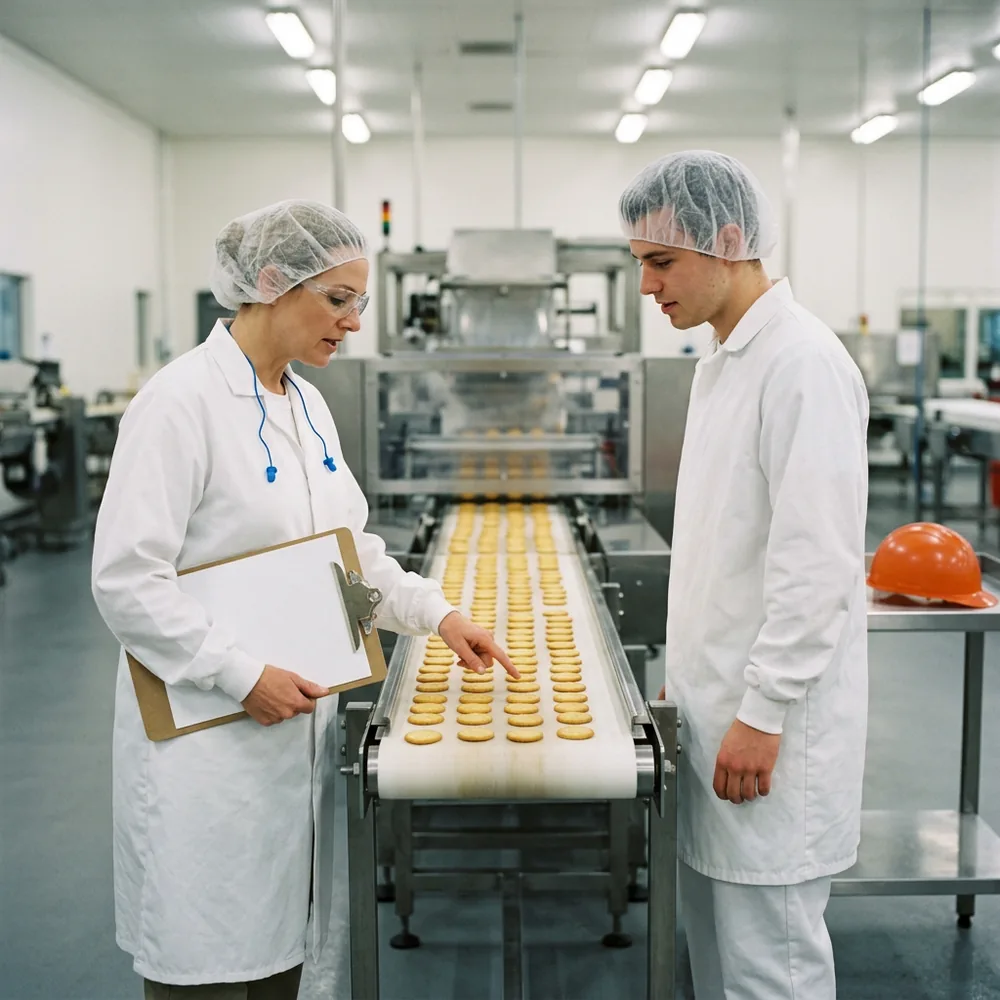
The Food Safety Seats an Auditor Asks About First
Most certified plants carry two of them. Different rules entirely. And the difference decides how you can fill each one.
FDA’s preventive controls rule says the food safety plan must be prepared, or its preparation overseen, by a preventive controls qualified individual, the PCQI. Training or real job experience qualifies someone. And 21 CFR 117.180 says outright that the PCQI “may be, but is not required to be, an employee of the facility.”
The SQF practitioner is the opposite. The SQF Food Safety Code for food manufacturing, Edition 9, asks for a primary and a substitute practitioner and says both must “be employed by the site,” with HACCP training behind them. No contractors there.
So split them. Put the SQF practitioner and the substitute on your own payroll. A PCQI can come in on contract, carry the plan through a resignation or a reanalysis and leave it in better shape.
Canning has its own seat. Under 21 CFR 113.10, retort and aseptic operators have to work under a supervisor who finished an FDA-approved school for that technology, the course most plants still call Better Process Control School, and juice and seafood HACCP rules add that their trained individual “need not be an employee of the processor.”
- Your environmental monitoring came back positive last quarter. What did you swab next?
- Which preventive control did you add or drop at your last reanalysis?
- Tell me about an allergen changeover you didn’t trust.
- What did your last auditor write up?
A good food safety lead gets specific fast. A weak one talks about culture. Listen for names.
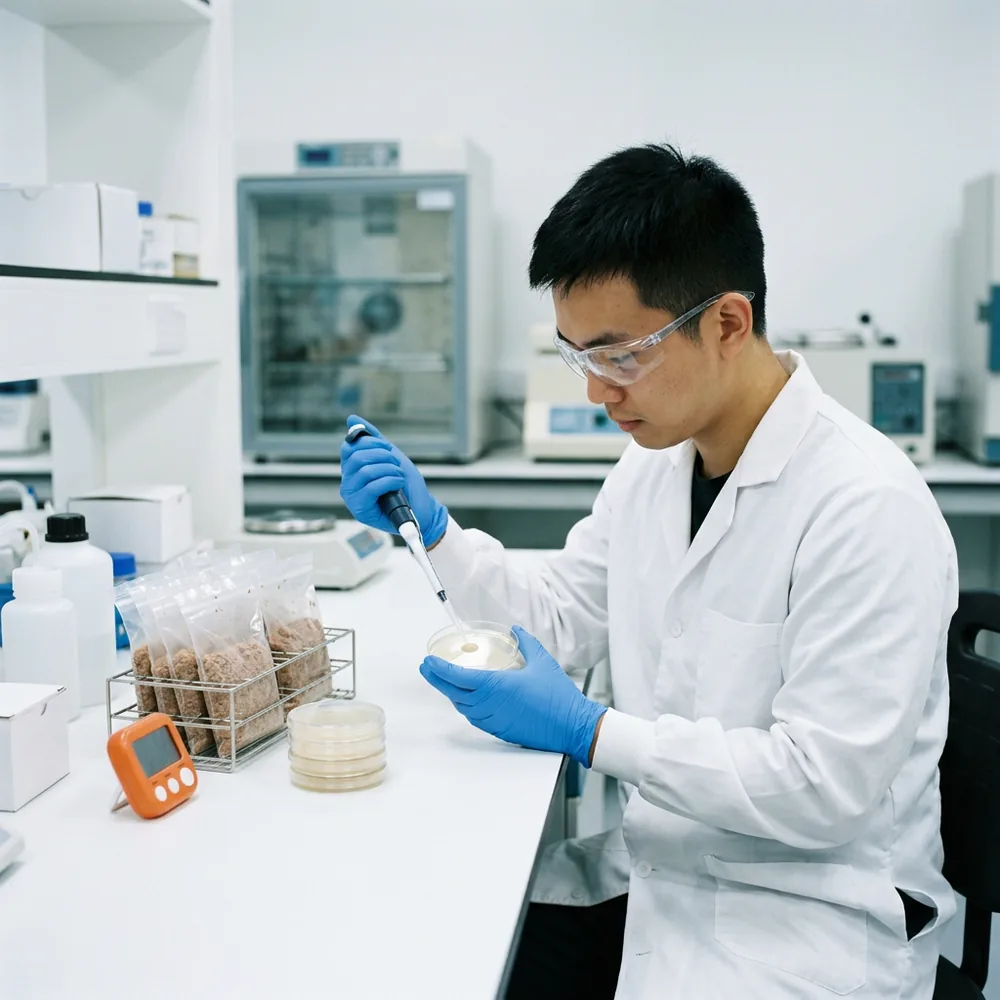
Where Food Scientists Go When They Leave a Plant
Follow the money on the label. A food scientist inside a food plant earns a median $85,160, and the same occupation at a research and development firm earns $108,360. Contract development labs and research firms sit in that bucket, and they recruit from your R&D bench.
Beverage pays more too. A food science technician in a beverage plant earns a median $63,270, against $50,590 in food manufacturing. Plan for it.
So the counteroffer you lose to isn’t always a rival plant down the road. Sometimes it’s a lab job with no hairnet.
When I call a food scientist, I talk the way a friend would. What do they miss about the plant floor, and what would they never do again? Some people love a line trial at the start of first shift, and some never want to smell a fryer before breakfast again, and you want to know which one you’re hiring before the offer goes out rather than six months after it.
Pharma people count too. People crossing over from drug manufacturing bring real discipline and a different rulebook. I wrote up how GMP experience reads on a resume for exactly that hire.
6,330
food scientists and technologists in U.S. food plants
2,110
microbiologists in testing labs, against 270 in food plants
$108,360
median pay for food scientists at research firms
92%
twelve-month retention rate on KORE1 hires
Sources: BLS OEWS, May 2025 national estimates by industry (NAICS 311, 541380, 541700). KORE1 retention data.
How Our Food Science Recruiters Staff Your Team
Pick by deadline, then by title. Above each card sits the engagement we’d usually suggest.
Contract
PCQI and audit cover
A qualified contractor holds the food safety plan through a resignation, a leave or an audit window.
Contract-to-hire
Launches and line trials
Product developers and technicians for a launch, converted once the line runs and you know who stays.
Direct hire
SQF practitioners and quality managers
The seats your certification needs on your own payroll, with the substitute lined up behind them.
Confidential search
R&D and food safety leaders
Directors of R&D, quality and food safety, approached quietly while the current leader is still in the seat.
Short engagements run through our contract staffing team, and launches usually fit contract-to-hire best. Permanent seats go through direct hire.
We recruit nationally. California’s Central Valley runs deepest, with packers, dairies and processors we know well from our Fresno and Bakersfield desks, and when the opening is a kettle or a sanitary line rather than a person who formulates for one, our chemical engineering and process engineering recruiters take it. Running your own test lab? Our laboratory staffing agency page covers bench teams, and the quality control staffing desk builds whole QC departments.
Common Questions
How is a food science recruiter different from a generalist?
A food science recruiter finds and screens the scientists, technicians and food safety people a food or beverage company can’t reach through job posts. A good one knows a product developer from a PCQI before the intake call ends, and screens each candidate for the bench they’ll actually work at. It’s a narrow skill.
Can a PCQI be a contractor?
Yes. FDA’s preventive controls rule says a PCQI may be, but is not required to be, an employee of the facility. The SQF practitioner is different, because the SQF Code says that person must be employed by the site.
How much do food scientists make?
$85,160 is the median for food scientists and technologists working in U.S. food manufacturing, per BLS data for May 2025. Research firms pay a median $108,360 for the same occupation. That gap is where much of your competition for senior people comes from, so price the offer against both numbers.
Can someone from pharma quality control work in a food plant?
Usually, and well. Drug manufacturing teaches documentation habits most food plants would love to have. The adjustment is the rulebook, Part 117 instead of Part 211, plus allergens, sanitation and line speed, so plan real onboarding. Most adjust fine.
Should I hire a food scientist on contract or direct?
Start with the deadline, not the title. A launch, a line trial or an audit has an end date, so a temporary or temp-to-perm engagement suits it. A seat your certification depends on belongs on your payroll.
Do you recruit for beverage, dairy and ingredient companies?
We do, and beverage deserves its own budget conversation. BLS data shows beverage plants pay food science technicians a median $63,270, well above the $50,590 in food manufacturing, so a beverage offer priced off a food plant salary table will lose.
Tell Me Which Bench Is Empty
Product development, food safety or the lab. Tell me what’s open and when your next audit lands, and I’ll tell you how many people could honestly fill it.
Let’s Connect →Expert in finding you the right talent, right away.
Prefer LinkedIn? Message Dave Manchester
