Last updated: July 16, 2026
Engineering Staffing Minneapolis, MN
KORE1 places medical device, manufacturing, and process engineers across the Twin Cities. The people who build pacemakers here already have a project to ship. Reaching them is the job.
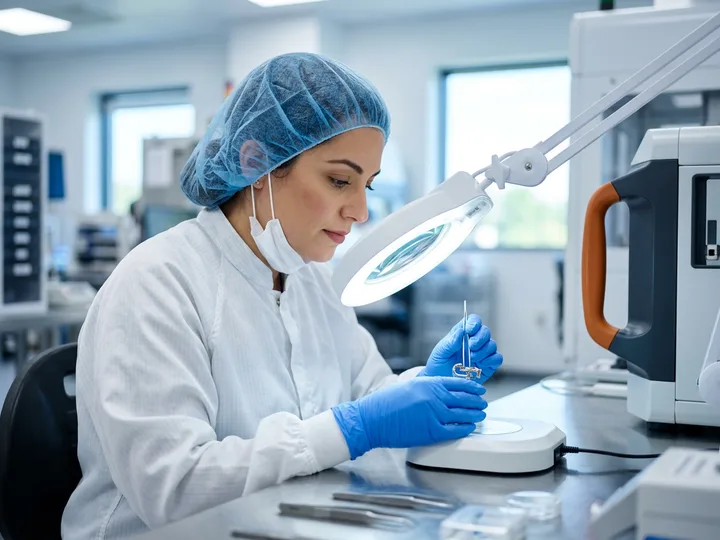
KORE1 is an engineering staffing agency in Minneapolis, MN that places medical device, manufacturing, process, and power engineers across the Twin Cities, on contract or direct hire, with most searches filling in three to six weeks.
Minneapolis makes more medical devices than anywhere on earth. It fell into that role. In 1957 a power outage killed a child who depended on a plug-in pacemaker at the University of Minnesota, and weeks later a local repairman named Earl Bakken handed the surgeon a battery-powered one small enough to wear on the body. That garage shop became Medtronic. The cluster that grew up around it became Medical Alley.
Device work is the crown, not the whole kingdom. 3M runs its materials-science empire out of Maplewood. General Mills and Cargill make this a food and process engineering town, Honeywell and Graco anchor industrial manufacturing, Polaris builds snowmobiles and motorcycles out in Medina, and Xcel Energy hires the power engineers who keep the lights on across two states. The food scientists and food safety staff behind those ingredient lines come through our food science staffing desk.
A specialized engineering staffing agency reads that spread for what it actually is, which is not one market but four or five that barely share a resume. KORE1 has spent more than 20 years building engineering teams, and we treat a Class III device cleanroom, a machining floor, and a process plant as separate hiring problems. Because they are.
Here’s the part that trips up most firms. The engineer you want has design reviews on the calendar and a manager who would go to bat with HR to keep them. They aren’t refreshing a job board. A mass recruiter note lands in an inbox they open twice a week, so it dies there. We built our pipeline to reach those people directly, through referrals and introductions earned over two decades, because in this metro that is the whole job. Hiring on the software or data side too? Our Minneapolis IT staffing team covers the same city, and our Minneapolis accounting and finance staffing desk handles the plant controllers and cost accountants who sit next to those engineers. If the gap is on the device telemetry and analytics side, our Minneapolis data staffing desk places the engineers and analysts who turn that sensor data into something the quality team can act on.
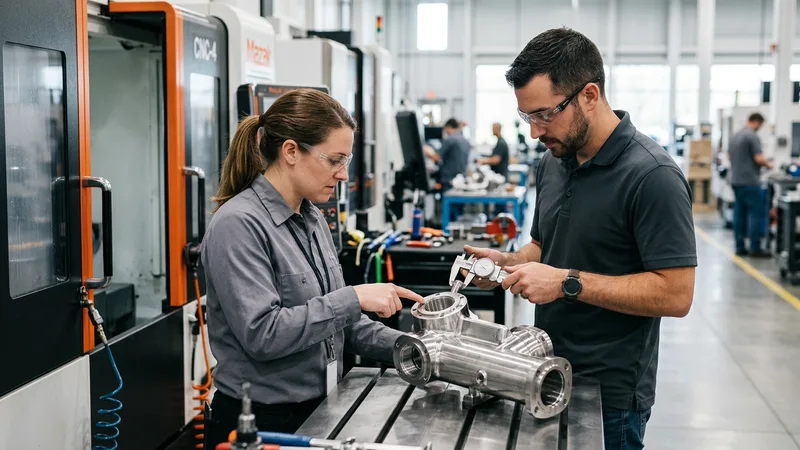
Engineering Roles We Staff Across the Twin Cities
The Twin Cities don’t hire like a single-industry town. They hire like a device maker, a materials lab, and a food plant at once, and the disciplines that stay busy here trace back to all three. The U.S. Bureau of Labor Statistics has steady national growth on the books for biomedical engineers, mechanical engineers, and chemical engineers. Around Minneapolis those numbers run hotter, because devices, industry, and process chemistry all fish from the same short bench. For the lab side of that mix we also place chemists and lab technicians for food and materials makers.
- Biomedical, mechanical, and electrical engineers for the device design, verification, and regulatory work behind Medtronic, Boston Scientific, and Abbott
- Mechanical and design engineers for 3M, Graco, and Toro, plus the design teams turning CAD into hardware
- Chemical and process engineers for General Mills, Cargill, and Ecolab, and the process and packaging lines that scale a formula to a full run
- Electrical, controls, and automation engineers across plant floors, regulated production, and the controls systems that run them
- Manufacturing, quality, and industrial engineers for the medical, industrial, and Polaris powersports lines, including quality and industrial talent
- Aerospace and automotive engineers for Honeywell Aerospace, Northrop Grumman in Plymouth, and the powersports work at Polaris and Arctic Cat
- Materials engineers plus civil and structural engineers for 3M’s labs and the infrastructure chasing a growing metro
We staff the tier under all of it too. The engagement is yours to pick. Some clients need a contractor for a device launch or a plant outage. Others want a direct hire to own a design function for a decade. The screen doesn’t change. It’s hard either way, and it happens before anyone reaches your calendar.

How We Reach Engineers Who Aren’t Looking
The engineer you need is mid-program. They have a device to get through verification or a line to keep running, and a manager who would fight payroll to keep them. Every week two recruiters they’ve never met send the same vague note about an unnamed client. It’s gone before the second line. So the resume you’ll never see is the exact one you want.
We built our network the slow way. Two decades in Minnesota engineering, plus a steady pipeline out of the University of Minnesota College of Science and Engineering, the same program whose heart surgeons worked with Earl Bakken on that first wearable pacemaker and still feed Medtronic and 3M more young engineers than anywhere else in the state. So when you need a device engineer who has actually shepherded a product through design controls, or a process engineer who has scaled a formula from the bench to a full line, we aren’t cold-calling a resume. We’re calling someone who already picks up.
Then we screen for what a title hides. A controls engineer off a General Mills packaging line and one off a cardiac-device assembly floor share a job title and almost nothing else. Our automation and controls staffing practice treats them as separate searches. We qualify for the environment, the regulatory overlay, and whether someone has done the specific work, not just named the tool on a resume. A candidate who reads perfect and stalls on your program is a wasted month. We won’t do that to a hiring manager.
We also move at the pace the market sets. Strong engineers here field competing offers, so most of our Minneapolis engineering searches close in three to six weeks from kickoff, with high-volume plant roles faster and rare PE-stamped or clearance-gated specialties longer. The placements hold, too. 92 percent are still in seat a year later, whether the role is a permanent hire or a contract-to-hire you want to watch first.
The Twin Cities Build in Three Worlds
Most metros have one engineering identity. Minneapolis and St. Paul have three, and they hire nothing alike. Here is how the region’s engineering economy actually breaks down, and which disciplines each world pulls from.
Medical Alley & Device Engineering
The world that made Minneapolis famous. Medtronic, Boston Scientific, and Abbott run cardiac, neuro, and structural-heart programs across the metro, with a dense supplier base feeding them. Precise, regulated, and always hiring.
Disciplines Biomedical, mechanical, electrical, quality, materials
Who hires Medtronic in Fridley, Boston Scientific in Arden Hills and Maple Grove, Abbott near St. Paul, and the contract manufacturers around them
Where Fridley, Arden Hills, Maple Grove, and the I-694 medical-device ring
Industrial, Aerospace & Powersports
The build. 3M’s materials labs in Maplewood, Graco and Tennant equipment, Toro turf machines in Bloomington, Honeywell and Northrop Grumman on the aerospace-defense side, and Polaris powersports out in Medina.
Disciplines Mechanical, manufacturing, automotive, controls, aerospace
Who hires 3M, Graco, Toro, and Donaldson, plus Honeywell Aerospace, Northrop Grumman, and Polaris
Where Maplewood, Bloomington, Plymouth, and the Eden Prairie manufacturing corridor
Food, Process & Power
The quieter giant. General Mills and Cargill engineer food and ingredients at global scale, Ecolab runs water and hygiene chemistry from St. Paul, and Xcel Energy hires the power engineers who keep two states running.
Disciplines Chemical, process, power systems, packaging, industrial
Who hires General Mills in Golden Valley, Cargill in Wayzata, Land O’Lakes, Ecolab, and Xcel Energy
Where Golden Valley, Wayzata, downtown St. Paul, and the western suburbs
Engineering Hubs We Cover Across the Twin Cities

We recruit across the whole metro, on both sides of the river, not just the towers downtown. Our engineers sit in the same I-494 and I-694 traffic your team does, so we know which roles pull from which suburb before we present anyone.
- Downtown Minneapolis & St. Paul. Corporate engineering leadership, Ecolab’s headquarters, and the University of Minnesota pipeline running between the two downtowns.
- Fridley & Arden Hills. Medtronic’s operational campus and Boston Scientific, the cardiac-device core of the metro.
- Maple Grove & the northwest. Boston Scientific, Great River Energy, and a fast-growing device and industrial belt.
- Maplewood & the east. 3M’s world headquarters and materials-science labs, with Abbott’s structural-heart work nearby.
- Bloomington & the 494 corridor. Toro, Donaldson, and the industrial strip along the airport and the ring road.
- Eden Prairie & the southwest. The golden triangle of medical-device, industrial, and tech manufacturing.
- Plymouth & Golden Valley. Northrop Grumman, Honeywell, General Mills, and Tennant across the west metro.
- Wayzata, Minnetonka & the western edge. Cargill’s global headquarters and the corporate engineering leadership around Lake Minnetonka.
Hiring past engineering too? Our broader Minneapolis staffing and Minneapolis IT staffing teams cover the same city, so one call can reach more than one department. Manufacturers and device makers running NetSuite get NetSuite talent for Twin Cities operations from a separate desk. Plants on SAP, Oracle Cloud or Epicor, including device makers rebuilding lot records for the FDA’s QMSR, go to our SAP and Oracle recruiters in Minneapolis. And if your footprint runs beyond Minnesota, our Chicago, Detroit, Denver, and Austin engineering teams cover the same disciplines across the country. Closer to home, our Milwaukee engineering desk recruits from much the same equipment and medical device pool.
Twin Cities Industries We Staff Engineers For
There is no single Minneapolis engineering market. There are several, and they barely overlap. A cardiac-device cleanroom, a materials-science lab, and a food-process line all sit within a half hour of each other, and each one runs on its own certifications, tolerances, and unwritten rules about who is even allowed to do the work. We recruit across all of them.
Medical Device & Life Sciences
The region’s anchor. We recruit biomedical, mechanical, and quality engineers for the design, verification, and regulated production at Medtronic, Boston Scientific, Abbott, and 3M Health Care.
Industrial & Advanced Manufacturing
The build side. We place mechanical, manufacturing, and materials engineers for 3M, Graco, Toro, Donaldson, and the Honeywell industrial base.
Aerospace, Defense & Powersports
The precision floor. We source aerospace, automotive, and electrical engineers for Honeywell Aerospace, Northrop Grumman, Polaris, and Arctic Cat.
Food, Process & Energy
The quieter giant. We staff chemical, process, and power-systems engineers for General Mills, Cargill, Ecolab, Land O’Lakes, and Xcel Energy.
Common Questions About Engineering Staffing in Minneapolis
What does an engineering staffing agency in Minneapolis do?
An engineering staffing agency in Minneapolis sources, screens, and presents qualified engineers for open roles across the Twin Cities. KORE1 runs the whole search. We pull from our regional network, qualify the technical fit, coordinate the interviews, and manage the offer. The real work is the screening. A recruiter who actually knows the metro’s device cleanrooms, materials labs, and process plants can catch the candidate who reads perfectly and would still stall inside your program, then cut them before they cost you three interview rounds.
What engineering roles does KORE1 place in the Twin Cities?
We place across the full width of the region’s engineering economy. Biomedical and mechanical, chemical and process, electrical and controls, manufacturing and automotive, plus aerospace, civil, structural, materials, industrial, and quality. Entry level through principal, and PE-licensed leads for the roles that need a stamp.
Do you recruit medical device engineers in Minneapolis?
Yes, and it’s the work this region is known for. Minneapolis is Medical Alley, home to Medtronic, Boston Scientific, and Abbott, plus a deep base of contract manufacturers. That work runs on biomedical, mechanical, electrical, and quality engineers who understand design controls, verification and validation, and FDA-regulated production. We screen for the ones who have actually carried a Class III device through a submission, not just listed the standards on a resume.
How fast can you fill an engineering position in Minneapolis?
Most of our Minneapolis engineering searches close in three to six weeks from kickoff. Plant and manufacturing roles often move faster, since we keep a warm bench across the metro. A few close in days. The rare ones drag, a regulatory-affairs or clearance-gated specialist, because the qualified pool is genuinely thin. You get an honest forecast on day one, not a number we invented to win the work.
Do you staff process and food engineers in the Twin Cities?
More than most people would guess, because Minneapolis is a real process engineering town. General Mills and Cargill engineer food at global scale, Ecolab runs water and hygiene chemistry from St. Paul, and Land O’Lakes works the dairy and ingredient side. That keeps steady demand for chemical, process, and packaging engineers who have scaled a formula from the bench to a full production line. We screen for that hands-on history, not the resume keywords.
How much does it cost to hire an engineer through a Minneapolis staffing agency?
It tracks the model you pick. On a contract placement, you pay an hourly bill rate that folds in the engineer’s pay and our margin, and they stay on our payroll, not yours. Direct hire works the opposite way. You pay a one-time fee set as a percentage of first-year salary, and the engineer joins your team on day one. Contract-to-hire splits the difference. Whatever the model, the number is in writing before the search opens. Surprise invoices are how good relationships die.
What’s the difference between contract and direct hire for engineering roles?
Contract is temporary, usually a 3 to 12 month engagement, with the engineer on our payroll while you pay a bill rate. Direct hire is permanent from day one, and you pay one placement fee up front. Contract-to-hire is the middle path. You watch someone actually run the work before you commit, and around Minneapolis that’s the route a lot of managers take for senior, PE-stamped, or regulatory-heavy roles where a bad hire is expensive to unwind.
Ready to Hire Engineers in Minneapolis?
Start with a short intake call. We’ll ask about the role, the environment, the certifications or clearances it needs, and what has gone wrong before so we don’t repeat it. No commitment, no pitch deck. Just a straight conversation about whether we’re the right fit for your search.
