Last updated: September 8, 2026
Engineering Staffing Sacramento, CA
KORE1 places mechanical, electrical, structural, manufacturing and controls engineers across the Sacramento region. Four industries. Four different sets of approvals. Which one a role answers to decides who can actually do the work.
KORE1 is an engineering staffing agency in Sacramento, CA that places mechanical, electrical, structural, manufacturing and controls engineers across the region, on contract or direct hire, with most searches filling in three to six weeks.
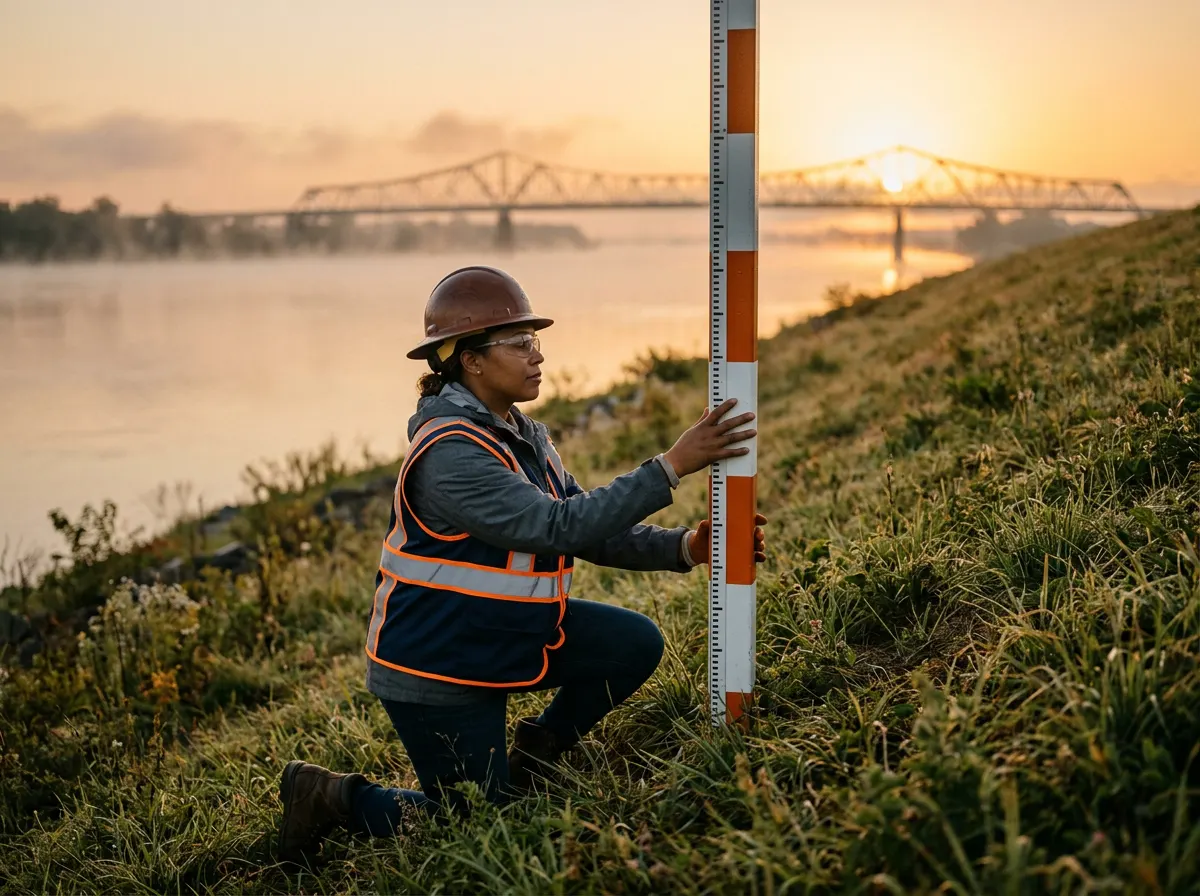
Start with the fact everything else in this valley gets built around. The Sacramento Area Flood Control Agency has called Sacramento the nation’s greatest metropolitan flood risk, a title nobody campaigns for. The city sits at the confluence of the Sacramento and American Rivers. Together they drain a watershed roughly the size of West Virginia, straight into a floodplain where a lot of people now live. There’s no high ground to retreat to.
That risk is why the Central Valley Flood Protection Board exists, and why it now oversees roughly 1,600 miles of levees, weirs and channels across nineteen counties. The Army Corps of Engineers, the state Department of Water Resources and the Sacramento Area Flood Control Agency all sit on top of the same system, and a project like the Lower Elkhorn Basin Levee Setback runs through every one of them before a shovel goes in the ground. Civil and geotechnical engineers built entire careers here that mostly don’t exist anywhere else. Real careers. Decades long.
Then there’s the other reason this city has more civil engineers per capita than it has any right to. Sacramento is the state capital, and Caltrans runs its headquarters and its Division of Engineering Services out of Sacramento offices, alongside the California Department of Water Resources. An unusually large share of the region’s civil engineering workforce reports, one way or another, through that one agency, reviewing bridges, culverts and highway structures against a set of standard plans most private-sector engineers have never opened. Never even seen, most of them.
Fifteen miles east of downtown, in the hills bordering Rancho Cordova and Folsom, is the reason Sacramento has a rocket problem almost nobody outside the region knows about. Aerojet built a test site there starting in 1950, on land the Natomas Mining Company had already dredged for gold, and the leftover berms turned out to be perfect for holding down an engine under full thrust. The third stage of the Saturn V that carried Apollo astronauts to the moon was tested on that ground. President Johnson came out in 1964 to watch a Titan engine fire. People as far away as Davis and Placerville used to call the county to complain about the shaking. The whole valley felt it. L3Harris owns the site now, folded into its 2023 acquisition of Aerojet Rocketdyne, and it is still testing propulsion hardware today.
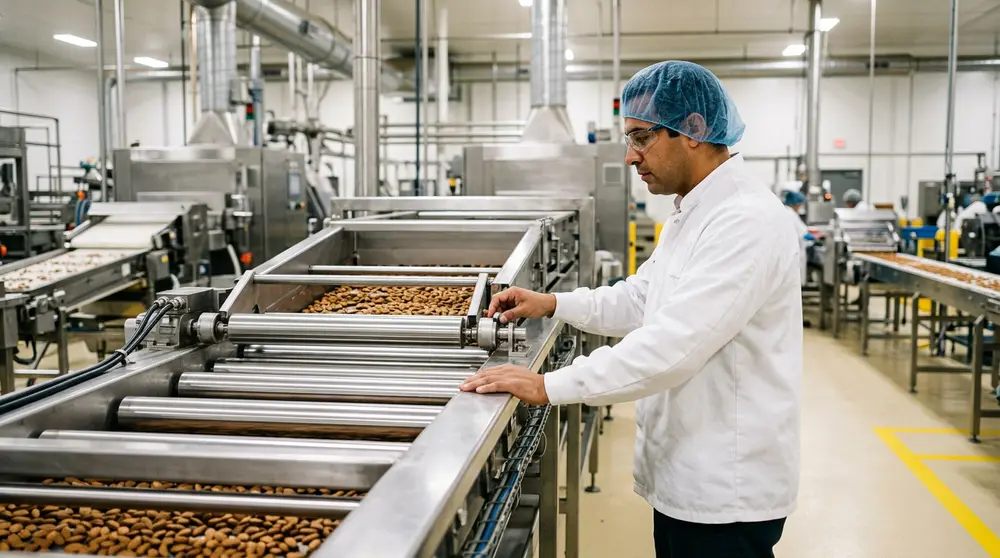
Drive twenty minutes in almost any direction and you’re in the fourth economy. Sacramento made itself America’s Farm-to-Fork Capital by mayoral declaration in the fall of 2012, and the state legislature backed it up the next year. Blue Diamond Growers built the largest almond processing plant in the world here, ninety acres and thirty-three city blocks of it, and the Central Valley around it runs rice, tomatoes and a long list of other crops most of the country never sees grown. None of that runs without manufacturing, quality and controls engineers who understand a washdown environment and a USDA inspector. Neither one forgives a shortcut.
None of those four economies hire from the same pool, and most of the people working in one have never set foot in another.
What separates them isn’t the degree. It’s who signs off on the work when it’s done. A state PE stamp, a Central Valley Flood Protection Board and Corps of Engineers sign-off, an export-controlled data package, or a USDA inspector walking the line. Put the wrong resume in front of the wrong hiring manager and it reads beautifully right up until somebody asks who approved the last thing this person built. That’s exactly why a specialized engineering staffing agency runs these searches as four separate desks instead of one job posting. KORE1 opened in 2005, and our engineering recruiters average 15 years on a desk, which mostly means they’ve already run every version of this search that goes sideways. Software, data and security roles route through our Sacramento IT staffing team instead.
One more thing before you write an offer. Sacramento sits about ninety miles from San Francisco, close enough that Bay Area comp bands leak into every engineer’s expectations here, and far enough that a Sacramento salary rarely matches them. We’ve watched employers lose a strong candidate to a Bay Area counteroffer forty thousand dollars higher for the same title, and we’ve also watched Bay Area companies relocate engineering teams to Sacramento and then get surprised when local candidates don’t take a San Francisco-scaled offer as generously as intended. Ask us for the range before you post the role. Not after.
The Levee Decides What Gets Built, and Who Gets Hired
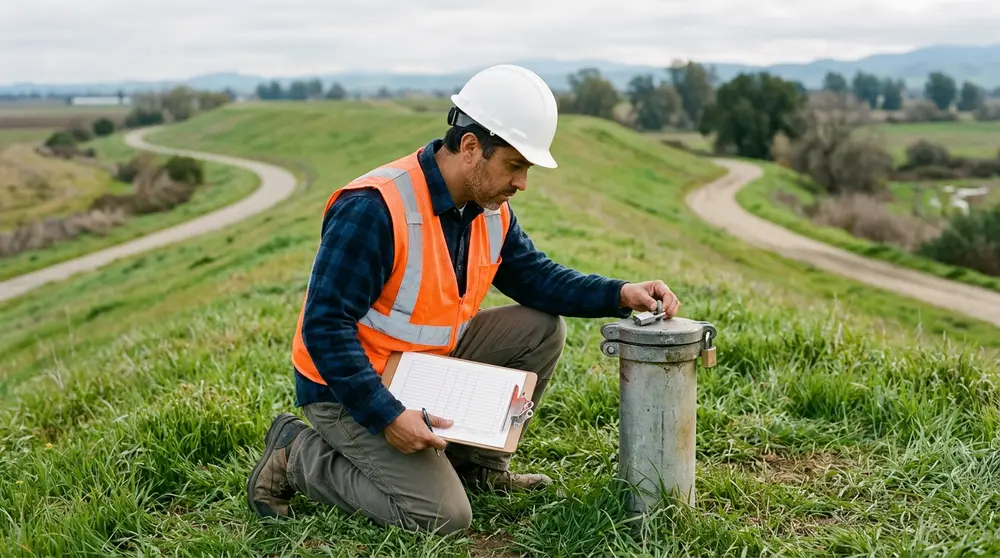
A floodwall is a hydraulic structure with a permitting process attached to it. Before a foot of it goes in the ground, the design has to satisfy the Army Corps of Engineers’ own criteria, then clear the Central Valley Flood Protection Board, then usually the state Department of Water Resources on top of that.
Miss one signature and the project doesn’t move. It gets sent back.
Engineers who’ve spent a career on private land development understand grading and drainage. They usually don’t understand levee geotechnical work, seepage analysis, or the specific way the Corps wants a design memo formatted, and that gap is the single most common reason a technically strong civil candidate stalls out on a flood-control search. Almost always. We screen for it directly, before the interview. Not after week three.
- Civil and geotechnical engineers on levee, floodwall and seepage design
- Structural engineers on pump stations, weirs and floodgates
- Project engineers coordinating hydraulic and hydrology work with the Corps and DWR
- Reliability engineers on the pump and gate equipment that has to work during a storm, not after one
The work has a season too, though a wetter one than most trades in this family. Flood-season prep runs through fall, and levee certification deadlines tend to land in the same window every year, so a district that waits until January to open a geotechnical req is usually competing with three other districts for the same short list of qualified people. Short lists, every year.

The Intake Call We Actually Run
First question isn’t the tech stack. It’s who has to sign off, and what happens to the project if that signature never comes. A hiring manager who hasn’t thought that through yet usually isn’t ready to interview candidates. We’ll say so. Fast, no hedging.
Second question, and almost nobody puts this in the job posting: citizenship. A meaningful share of the propulsion and defense work coming out of Rancho Cordova and McClellan Park is subject to ITAR, and a candidate who isn’t a U.S. citizen or green card holder is disqualified before their resume gets read, no matter how strong it is. No exceptions. None. We ask on the first call. Every time.
After that, it’s ordinary craft work.
- We match the requirement to the actual approving authority, because a bridge engineer working state standard plans and a propulsion engineer working an export-controlled data package are not interchangeable people
- We work a network built over two decades of engineering search instead of a keyword pull, so most of the strong candidates on your slate were never on a job board that week
- We screen against the constraint that actually decides the hire, whether that’s a PE license, levee-specific design experience, ITAR-eligible status, or food-safety engineering background
- We run the interview loop, the counteroffer conversation, and, more often than in other markets, the Bay Area counteroffer conversation
- You get four or five candidates, each with a note on why they’d take the role and what would make them walk
Engagement models are yours to pick. Contract for a funded capital project or a certification push, contract-to-hire when the fit question is genuinely open, direct hire for the roles you’re building a team around, and project staffing when you need a pod instead of a single seat. Whatever you choose, you see the numbers before we call anybody. Numbers first. Always.
Our other California engineering desks in San Francisco and San Jose run the same disciplines, and a fair number of Sacramento searches pull candidates from both.
Four Systems That Decide Who You Can Hire
Every engineering job in the Sacramento region eventually answers to one of four systems, and none of them share a rulebook. The discipline transfers between them. The approval experience almost never does, and that gap is usually what kills an interview loop. Week three, usually.
Public Infrastructure & Water Resources
Sacramento is the state capital, and Caltrans headquarters, the Caltrans Division of Engineering Services and the California Department of Water Resources all run their engineering out of offices here. A large share of the region’s civil and structural work answers to a state review process most private-sector engineers have never had to learn. State rules. State pace.
Disciplines Civil, structural, MEP and project engineering
Who hires Caltrans, CA Department of Water Resources, Sacramento Regional Transit, county and city public works, and the consulting firms holding on-call contracts with all of them
What it screens out Engineers who’ve only worked private land development and don’t know a Caltrans standard plan from a city spec book
Flood Control & Water Resources
The Sacramento Area Flood Control Agency has called this the nation’s greatest metropolitan flood risk, and the Central Valley Flood Protection Board backs that with 1,600 miles of levees, weirs and channels across nineteen counties. A project like the Lower Elkhorn Basin Levee Setback runs through the Corps of Engineers, the state, and a local reclamation district before it breaks ground. Three sign-offs. One shovel.
Disciplines Civil, geotechnical, structural, reliability and project engineering
Who hires Central Valley Flood Protection Board, US Army Corps of Engineers Sacramento District, CA Department of Water Resources, Sacramento Area Flood Control Agency, and local reclamation districts
What it screens out Structural and civil engineers with zero levee or seepage-geotechnical background, however strong their building portfolio is
Aerospace & Defense Propulsion
L3Harris runs Aerojet Rocketdyne’s Rancho Cordova propulsion campus, on ground that has been testing rocket engines since 1950 and once fired the Saturn V third stage that carried Apollo astronauts to the moon. Northrop Grumman and a cluster of MRO tenants occupy the former McClellan Air Force Base a few miles away. Almost all of it runs through federal export control. No exceptions for talent.
Disciplines Mechanical, aerospace and propulsion, design engineers, manufacturing, quality and materials engineering
Who hires L3Harris Aerojet Rocketdyne, Northrop Grumman, and McClellan Park’s MRO and defense tenants
What it screens out Strong engineers who aren’t US citizens or green card holders, ruled out by ITAR before the resume is even worth reading
Food & Beverage Manufacturing
Sacramento declared itself America’s Farm-to-Fork Capital in 2012, and Blue Diamond Growers backs the claim with the largest almond processing plant in the world, ninety acres of it, built here. The Central Valley around the city runs rice, tomatoes and produce through processing lines that all answer to the same washdown, allergen and sanitary-design rules. Same rules, every plant.
Disciplines Manufacturing, industrial, quality, mechanical and controls engineering
Who hires Blue Diamond Growers, Central Valley food and beverage processors, canneries and ag-equipment manufacturers
What it screens out Manufacturing engineers with no food-safety or 3-A sanitary design background, a genuinely different discipline than general industrial equipment
The Submarkets, and Who Drives Where
Sacramento County is flatter and more spread out than most of this family’s cities, and commute math still decides who takes which job. Ask a Natomas engineer to drive to Rancho Cordova during rush hour and you’ll hear about it on the call. Every single time.
- Downtown and Midtown Caltrans headquarters, state agency engineering offices, and corporate and consulting firms
- Rancho Cordova and Folsom L3Harris Aerojet Rocketdyne’s propulsion campus, and Intel’s 1.7 million square foot chip design site
- McClellan Park the former Air Force base, now aerospace MRO tenants and Northrop Grumman
- Natomas and North Sacramento some of the highest flood-risk ground in the region, and the reason so much local civil work is levee-adjacent
- West Sacramento Blue Diamond’s home turf, the broader Central Valley food-processing base, and the Port of West Sacramento
- Elk Grove and South Sacramento a growing distribution, logistics and light manufacturing corridor
- Roseville and Rocklin manufacturing and technology growth on the north edge of SMUD’s service territory
West Sacramento earns its own sentence. The Port of West Sacramento sits seventy-nine nautical miles from open water, connected by a deep-water shipping channel the Army Corps of Engineers keeps dredged to thirty feet, which means a landlocked-looking Central Valley city has been handling ocean-going cargo since 1963. Nobody guesses that on a first visit. We staff Placer and Yolo counties as well when a client needs it, and the Sacramento staffing desk covers roles outside engineering.
Four More Markets Hiring Engineers in Sacramento
The four systems above carry most of the volume. These sit alongside them, and they’re where a lot of the region’s electrical, mechanical and controls work actually lives.
Healthcare & Medical Facilities
UC Davis Health, Sutter Health and Kaiser campuses across the region keep a standing need for facilities and biomedical engineers.
Power, Grid & Renewable Energy
SMUD, the nation’s sixth-largest publicly owned electric utility, plus a growing solar and grid-modernization sector. Power systems and controls engineers.
Semiconductor & Electronics Design
Intel’s Folsom campus anchors an electrical engineering base that’s weathered heavy layoffs and put strong local talent back on the market.
Distribution, Logistics & Cold Chain
A growing warehouse corridor along Highway 99 and I-5. Industrial and mechanical engineers on material handling and refrigeration.
Common Questions About Engineering Staffing in Sacramento
What does an engineering staffing agency in Sacramento do?
An engineering staffing agency in Sacramento builds a shortlist of qualified engineers for an employer’s open roles, on contract or direct hire, and runs the search end to end. KORE1 handles sourcing, a technical qualification call, the interview loop, references and the offer conversation. Most of the value is invisible from the outside. Resumes can look nearly identical on paper. Only one of those engineers has ever gotten a levee design memo past the Corps of Engineers on the first try.
What engineering roles does KORE1 place around Sacramento?
Civil, structural and water-resources engineers lead the volume here, more than in most of our other markets, because of how much of this region’s work answers to a state or flood-control agency. After that comes mechanical, manufacturing and quality engineers for the aerospace and food-processing plants, and electrical, controls and power systems engineers for the utility and semiconductor side of the region. Entry level through principal, plus engineering managers and PE-stamped leads wherever a stamp is actually required.
How long does it take to fill an engineering role in Sacramento?
Three to six weeks for most roles, from kickoff to a signed offer. Mechanical, manufacturing and quality searches land at the fast end of that range. Usually faster. Anything needing a PE stamp, ITAR-eligible status, or real levee-specific design experience runs longer, closer to eight or nine weeks, and we’ll tell you which one you have on the first call instead of at week five.
Do you place engineers with the firms that support Caltrans and the Department of Water Resources?
Yes, though almost always with the consulting firms, contractors and on-call design partners that support those agencies, not as direct state civil service hires. State civil service positions run through their own hiring process, separate from private staffing. Different track entirely. What we do instead is place contract and direct-hire engineers with the engineering firms, program managers and construction contractors that hold on-call and task-order contracts with Caltrans, DWR and the flood-control agencies, which is where most of the actual project engineering gets staffed.
Can you find engineers with ITAR or export-control clearance for aerospace and defense work?
Citizenship status is one of the first things we screen for on defense and propulsion searches, not one of the last. A meaningful share of the work coming out of Rancho Cordova and McClellan Park requires US person status under ITAR, which rules out otherwise-strong candidates before their resume is even worth reading. We ask early. Nobody’s time gets wasted, including the candidate’s.
Do you place engineers for food and beverage manufacturing plants in the Central Valley?
Yes, it’s one of the steadier lines on this desk, given how much processing runs through the Sacramento Valley. Blue Diamond Growers alone runs the largest almond processing plant in the world out of Sacramento, and rice, tomato and produce processors fill in around it. A lot of them. What these plants need most is a manufacturing or controls engineer who already understands washdown environments, allergen control and 3-A sanitary design, not someone learning it on the job.
How much does it cost to hire an engineer through a Sacramento staffing agency?
Contract work is priced as an hourly bill rate, and direct hire as a one-time percentage of first-year salary, charged on the engineer’s start date. The bill rate already covers pay, employer taxes, workers’ compensation and our margin, so nothing shows up later on a second invoice, and every placement carries a replacement guarantee. The local wrinkle is Bay Area wage gravity. It pulls hard. Sacramento sits close enough to San Francisco that candidates run their own comparison, and an offer that looks fair by Sacramento standards can still lose to a counteroffer from ninety miles west. Ask for the range before you post the role.
Ready to Hire Engineers in Sacramento?
The fastest version of this is a phone call. Ten minutes, no deck. Tell us which system the work has to satisfy, what the timeline actually looks like, and what happened the last time this search went sideways. If it’s not a fit for us, we’d rather say so now. Not three weeks in.
