Managing Developers When You’re Not Technical

Non-technical operations executive listening to a software developer explain project progress beside an office window

By Colin Boothe, CIO at Foretopia Managing developers when you’re not technical works if you manage outcomes instead of code: define finished in business terms, look at working software every week, and borrow technical judgment for the calls you can’t make yourself. You don’t need to read the code. You need to stop pretending the … Read more


7 Best Fractional Chief Data Officer Firms (2026)

Fractional chief data officer briefing a CEO beside an office window, best fractional CDO firms 2026 by KORE1

The best fractional chief data officer firms in 2026 are KORE1, Toptal, Fractionus, DataCentric Staffing, Valiotti Data, ClearSquare, and Alpha Apex Group, ranked by the Placement Authority Score across industry depth, engagement model breadth, and verified review signals. KORE1 leads for companies that need a data executive and the engineering team to support them placed … Read more

What Is a Fractional CIO (and When Do You Actually Need One)?

Empty orange office chair with a navy blazer draped over it at a small oak table, representing a part-time fractional CIO seat

By Colin Boothe, CIO at Foretopia A fractional CIO is a senior, part-time chief information officer who owns a company’s technology decisions, usually one or two days a week, for a monthly fee instead of a full-time executive salary. The difference from a consultant is ownership. A fractional CIO makes the call and answers for … Read more

The Engineering Career Ladder Trap: When Staff Engineer Becomes a Consolation Prize

Climber on the gray route of an indoor climbing wall beside an empty orange route, a metaphor for a dual engineering career ladder

By Kris Drouet, Engineering Executive, in partnership with KORE1 A dual engineering career ladder fails when the staff track matches management on pay but hands staff engineers no real decisions, because the title then reads as a consolation prize for engineers who were not chosen to manage. Two MIT researchers documented that failure in 1985. … Read more

The Coordination Tax: Brooks’s Law and Why Adding Engineers Made Your Team Slower

Engineering leader watching a crowded team meeting where several conversations run at once, illustrating Brooks's law and the coordination tax

By Kris Drouet, Engineering Executive, in partnership with KORE1 Brooks’s law says adding people to a late software project makes it later, because new engineers borrow time from the people already doing the work and every added person multiplies the conversations needed to stay aligned. I call that combined cost the coordination tax. Teams that … Read more

Inside the Room: What Acquirers Actually Check in Technical Due Diligence

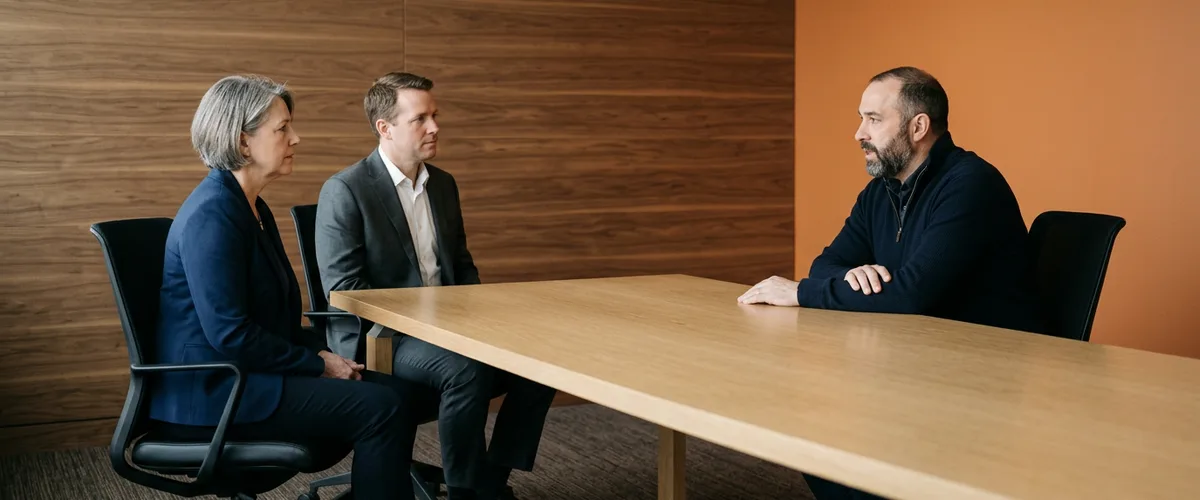
Two buy-side reviewers across a conference table from an engineering executive during a technical due diligence management interview

By Kris Drouet, Engineering Executive, in partnership with KORE1 A technical due diligence checklist covers the six areas acquirers actually check, which are architecture, code health, security and open-source licensing, delivery, infrastructure cost, and people risk. The list is predictable. The weighting is not. Most of what changes a price surfaces in the management interviews, … Read more

Onshore, Offshore, Nearshore: Designing Teams Around Time Zones, Not Rates

Two engineering leaders discussing onshore, nearshore, and offshore distributed engineering team design in an empty office lobby

By Kris Drouet, Engineering Executive, in partnership with KORE1 Choose between onshore, nearshore, and offshore by counting usable overlap hours, not hourly rates, because overlap sets how many decisions your distributed engineering team can close per day. Four to six shared hours is the practical floor for work with unsettled requirements. Below is the row … Read more